In a world where time is a precious commodity, meal prep has become a lifesaver for many. But how do you tailor this Western trend to fit the unique dietary preferences of Nigerians? This article delves into practical meal prep strategies that not only promote health but also respect cultural tastes and local ingredients. Let's explore how you can streamline your weekly cooking routine while savoring the flavors of Nigeria.
Meal prepping, in essence, involves preparing meals or meal components in advance, easing the burden of daily cooking and ensuring you always have healthy options at your fingertips. For Nigerians, it's not just about efficiency — it's about merging convenience with tradition, balancing nutrition with the hearty, rich flavors we love.
Keeping the Nigerian palate in mind, we'll discuss everything from sourcing ingredients locally to creating meal plans that include traditional dishes. Whether you're a busy professional, a student, or a homemaker, these tips are designed to help you stay on track with your nutrition goals without sacrificing taste or cultural identity.
Why Meal Prep Matters
The Health Benefits
Meal prepping can significantly improve your diet by reducing reliance on fast food and processed meals, which are often high in unhealthy fats and sugar. Instead, you have control over portion sizes and ingredients, leading to better nutrient intake.
"Meal prep empowers you to make thoughtful dietary choices, aligning meals with nutrition goals and cultural preferences."
By planning in advance, you're more likely to consume a balanced diet that includes a variety of nutrients essential for health and well-being.
Saving Time and Money
For many Nigerians, time is a luxury. Between work, family, and social commitments, cooking daily can be challenging. Meal prepping can save you hours each week, allowing you to focus on what truly matters.
Financially, bulk cooking and buying ingredients in larger quantities reduce costs significantly. It minimizes wastage and ensures you make the most of seasonal produce, which is usually more affordable.
Starting with Nigerian Meal Prep
Understanding Local Ingredients
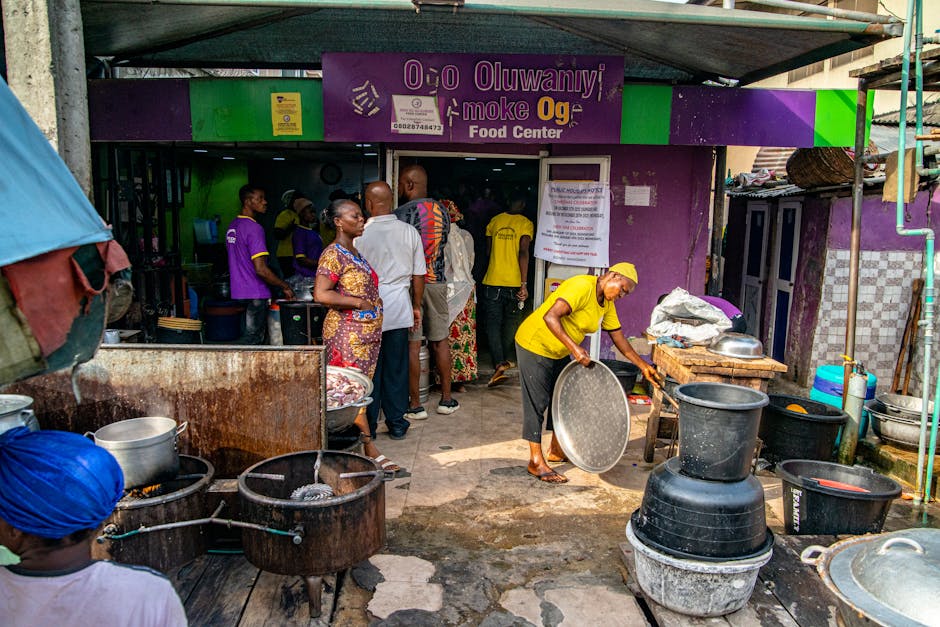
The success of meal prep lies in using fresh, local ingredients that are readily available. Nigerian markets are abundant with fresh produce that can serve as the foundation for numerous healthy meals.
- Yams and sweet potatoes
- Fresh vegetables like spinach, ugu, and tomatoes
- Protein sources such as beans, chicken, and fish
- Staples like rice, garri, and millet
Incorporate these into your meal plans to ensure diversity and nutrition, while supporting local farmers.
Prioritizing Traditional Recipes
Embrace your roots by meal prepping traditional Nigerian dishes with a healthy twist. Think about dishes like egusi soup, jollof rice, and moi moi, which can be made in large batches and stored for later consumption.
"Transform traditional Nigerian meals into healthier versions by adjusting ingredients and cooking methods."
This could mean using less oil, opting for leaner meats, or incorporating more vegetables.
Effective Meal Prep Strategies
Creating a Weekly Meal Plan
Start with a simple meal plan. Aim for variety by including different proteins, grains, and vegetables each day to avoid monotony.
- Monday: Grilled fish with jollof rice and steamed veggies
- Tuesday: Beef stew with yam porridge
- Wednesday: Egusi soup with pounded yam
This approach not only ensures nutritional balance but also keeps meals exciting.
Batch Cooking and Storage
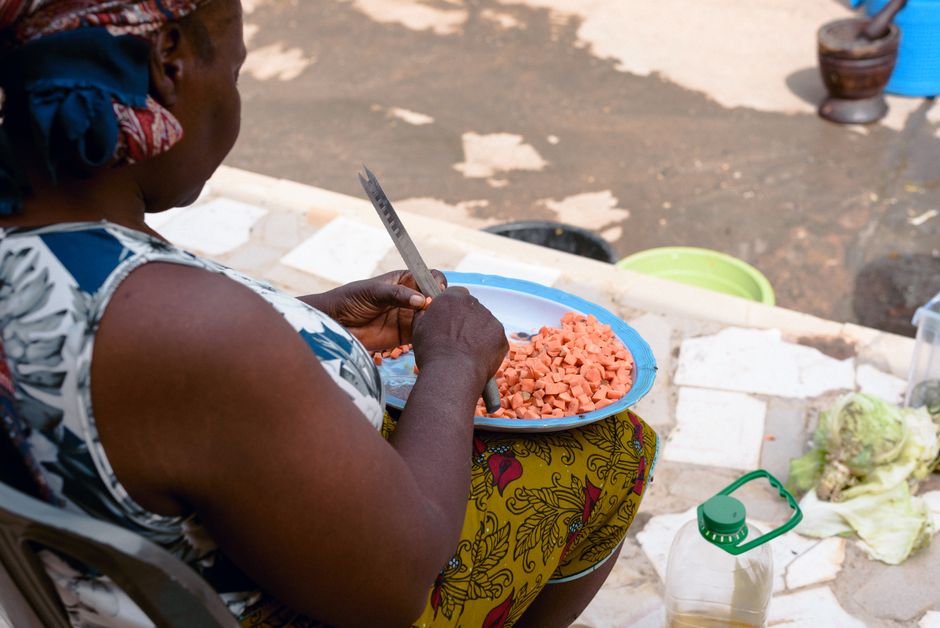
Dedicate a specific day of the week for batch cooking. Sunday afternoons are perfect for prepping meals for the week ahead.
- Use airtight containers for storage to maintain freshness.
- Freeze some meals for later weeks, ensuring a continuous supply of home-cooked options.
Label your meals with dates and contents to easily track your inventory and avoid waste.
Overcoming Common Challenges
Dealing with Limited Resources
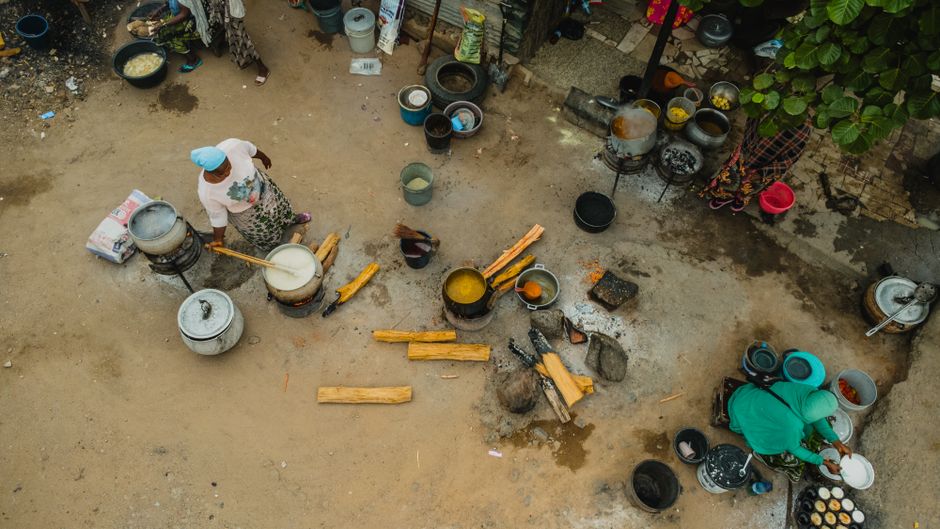
Not everyone has access to a full kitchen or all necessary appliances. However, meal prep can be adapted to any setting.
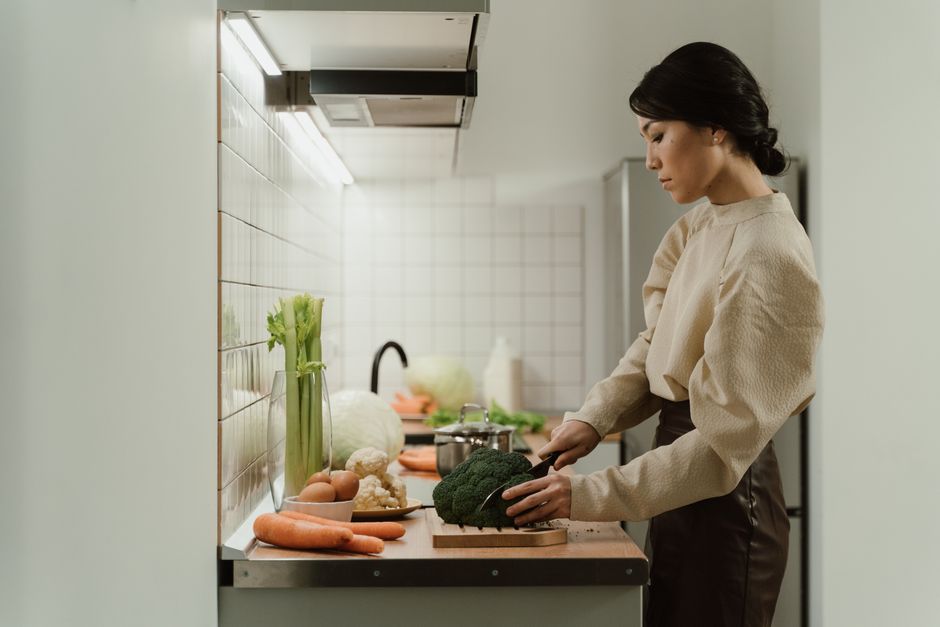
Use basic kitchen tools like a pot, a frying pan, and a blender to achieve remarkable results. The key is creativity and efficiency.
Maintaining Motivation
Staying motivated can be tough, especially when starting. Connect with like-minded individuals or online communities who share similar goals.
"Remember that meal prep is a journey, not a destination. Celebrate small victories along the way."
Seeing the benefits in your health and lifestyle will soon become motivation enough.
Conclusion
Embracing meal prep within the Nigerian context requires a blend of tradition and innovation. By planning and preparing meals in advance, you can enjoy both health and convenience without losing touch with your cultural roots. Whether you're cooking for one or for a family, these strategies offer a practical way to manage nutrition and time effectively.
Remember, meal prep is a flexible and personal journey. Start small, adjust as you go, and most importantly, enjoy the process. Your health—and taste buds—will thank you.