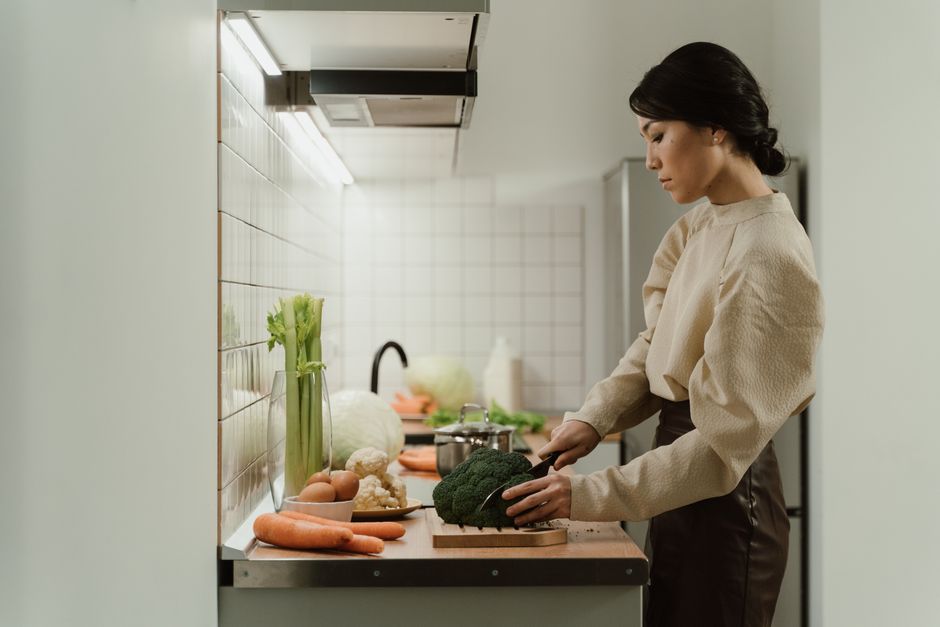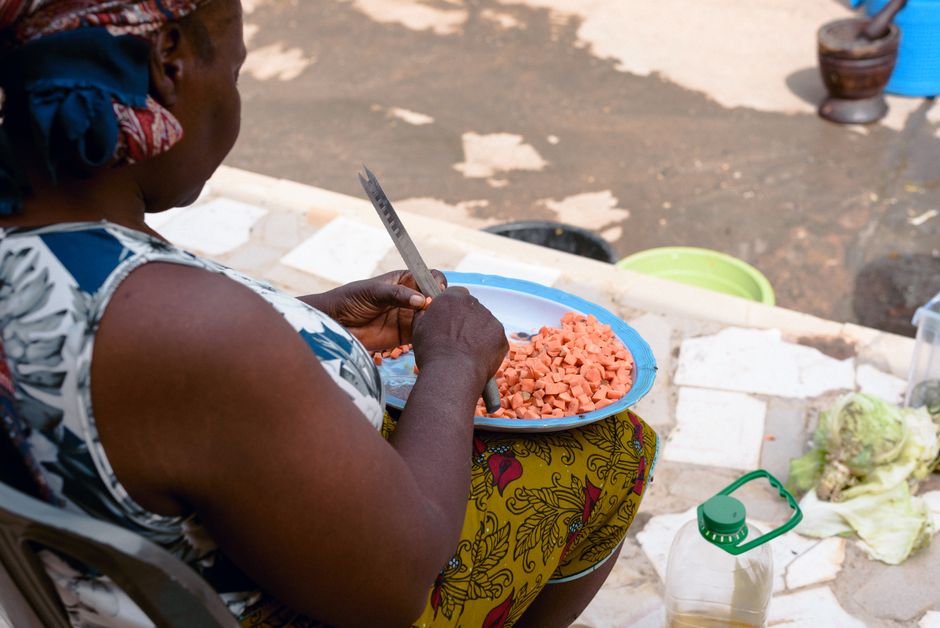
Meal prep has become an essential tool for many seeking a healthier lifestyle, especially in Nigeria, where diverse and flavorful culinary traditions abound. Imagine the ease of having delicious, nutritious meals ready to go, tailored to your taste, and respectful of your heritage. This article dives into practical meal prepping solutions, perfect for the Nigerian context, to help you streamline your healthy eating journey.
Whether you’re a busy professional in Abuja, a student in Lagos, or a parent managing a bustling household in Ibadan, meal prep can be a game-changer. It not only saves time and money but also helps you avoid the temptation of fast food and unhealthy snacks. By the end of this guide, you’ll be equipped with actionable tips to cook in advance, store meals efficiently, and maintain a balanced diet without sacrificing the flavors that remind you of home.
Understanding the Basics of Meal Prep
The concept of meal prep might seem daunting at first, but at its core, it's about planning and preparing your meals in advance. This can range from pre-cooking components of meals to fully cooking and portioning out your meals for the week.
The Benefits of Meal Prep
- Time-saving: Spend less time cooking during the week and more time enjoying your meals.
- Cost-effective: Buying ingredients in bulk often reduces costs and minimizes waste.
- Healthier choices: Having meals ready reduces the temptation to opt for unhealthy alternatives.
To start, it's crucial to understand what works best for your lifestyle and dietary needs. Meal prep can be customized to fit any nutritional plan or dietary requirements, including popular Nigerian dishes.
Planning Your Nigerian Meal Prep
Effective meal prepping requires a bit of planning upfront. Here’s how you can tailor your meal prep to include the rich textures and tastes that Nigerian cuisine offers.
Crafting a Weekly Menu
Start by planning a weekly menu that reflects your dietary goals. Balance is key, so aim for a mix of proteins, carbohydrates, and healthy fats.
"Prioritize local and seasonal produce to not only enhance flavor but also support local farmers."
- Choose staple ingredients like rice, beans, yams, and plantains.
- Incorporate a variety of proteins such as chicken, fish, and legumes.
Shopping Smartly
Once your menu is set, create a shopping list to ensure you have all necessary ingredients on hand. This minimizes impulse purchases and food waste.
- Visit local markets for fresh, affordable produce.
- Buy in bulk when possible to save money.
Cooking and Storing Your Meals
With your ingredients ready, it's time to cook. A key aspect of meal prep is how you store your meals to keep them fresh and safe to eat.
Batch Cooking Techniques
Batch cooking involves preparing multiple servings of the same dish, which can be portioned for future meals.
- Utilize large pots and pans to prepare stews or soups.
- Bake or grill proteins in large quantities.
Proper Storage Tips
Correct storage is crucial to maintain your meals’ freshness and safety.
- Use airtight containers to prolong shelf-life.
- Label containers with dates to keep track of freshness.
- Store meals in the fridge for up to 4 days or freeze for longer storage.
Incorporating Variety in Your Diet
One of the challenges of meal prep is ensuring you don't get bored with your meals. Here are ways to keep your diet exciting and varied.
Exploring Different Cuisines
Nigerian cuisine is diverse. Explore different regional flavors to spice up your meal plan.
- Try dishes like Egusi soup, Jollof rice, or Banga soup.
- Use spices like cayenne, ginger, and thyme to add depth and flavor.
Balancing Tradition and Nutrition
While it's important to enjoy traditional meals, consider healthier preparation methods.
- Opt for grilling instead of frying to reduce calorie intake.
- Incorporate more vegetables into your stews and soups.
Final Thoughts
Meal prepping within the Nigerian culinary context not only fosters a healthier lifestyle but also enables you to honor your cultural roots with ease. By planning, cooking, and storing meals in advance, you can take control of your diet and enjoy the comforting flavors you love, without the stress of last-minute cooking. Whether you're a seasoned meal prepper or just starting out, implementing these tips can make a significant difference in your health journey. Remember, the key is to find what works for you and to enjoy the process. So, roll up your sleeves, gather your ingredients, and start prepping!