Meal prep is a game-changer for anyone looking to maintain a balanced diet without the daily hassle of cooking. For Nigerians, traditional meals often require extensive preparation, which might discourage even the most dedicated foodies from maintaining a nutritious eating plan. However, integrating meal prep into your routine can simplify your life while ensuring you enjoy your favorite Nigerian dishes.
Navigating the world of meal prep might seem daunting at first, but it's actually a simple process once you get the hang of it. Imagine coming home after a long day and simply reheating a delicious pot of Jollof rice or Egusi soup that's just as flavorful as the moment you cooked it. Meal prep allows you to enjoy the rich culinary traditions of Nigeria without sacrificing time or taste.
In this guide, we'll explore the art of meal prepping Nigerian dishes, offering practical strategies to plan, shop, cook, and store your meals efficiently. Whether you're new to meal prep or looking to refine your skills, these tips will set you on the path to a healthier lifestyle.
The Basics of Meal Prep
Understanding Meal Prep
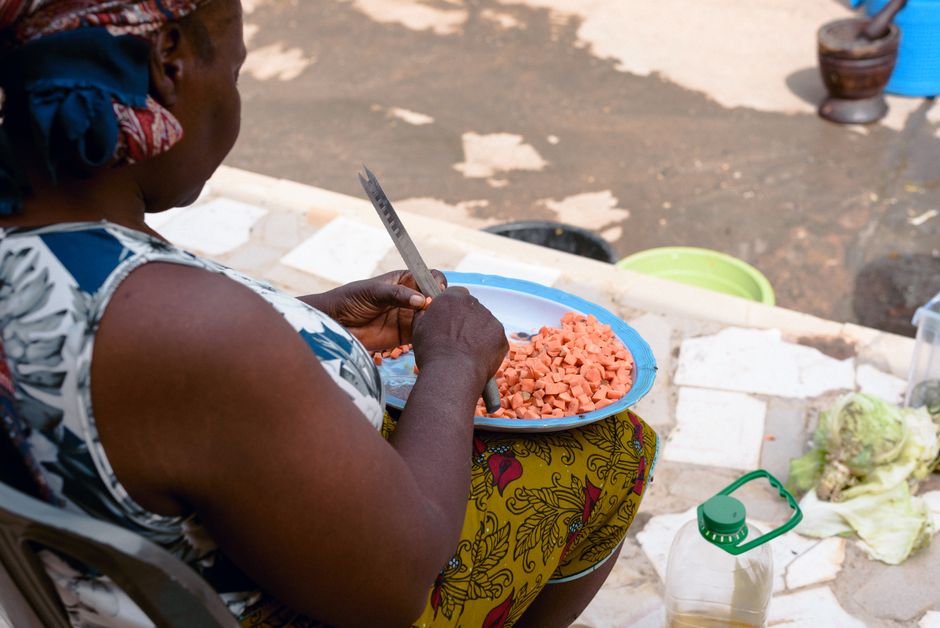
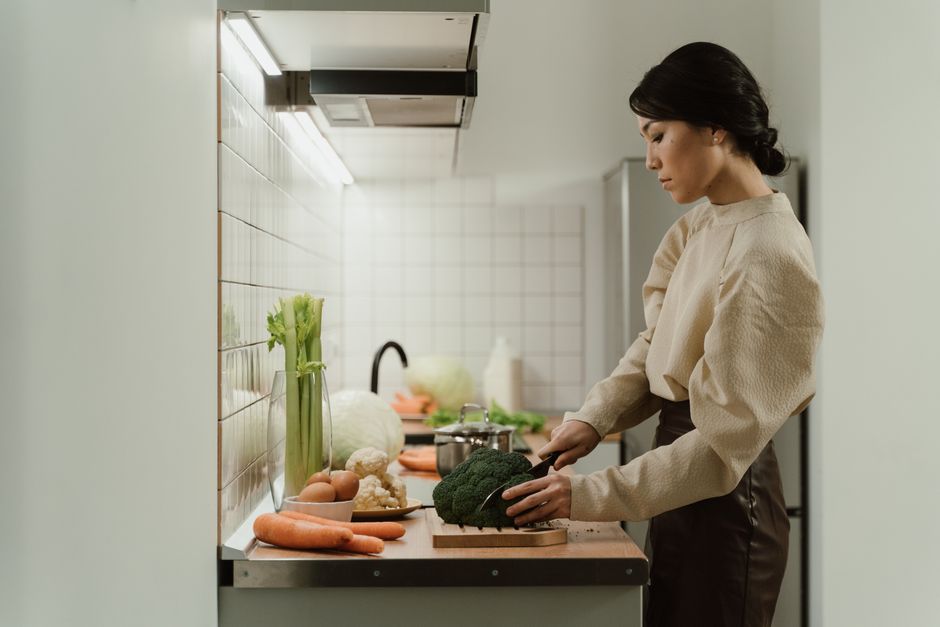
Meal prep involves preparing meals in advance, making it easier to stick to a healthy eating plan. This could range from chopping vegetables and marinating proteins to fully cooking meals.
- Batch Cooking: Prepare large quantities of food that can be stored and eaten over several days.
- Portion Control: Helping you maintain your desired nutritional intake by pre-portioning your meals.
- Time Efficiency: Reducing daily cooking time, freeing up your schedule for other activities.
Benefits of Meal Prepping Nigerian Dishes
Nigerian cuisine is diverse and flavorful, making it perfect for meal prep. Here are some reasons why meal prepping Nigerian dishes can be beneficial:
- Nutrient-Rich: Traditional Nigerian ingredients like yams, plantains, and greens are packed with vitamins and minerals.
- Cost-Effective: Buying ingredients in bulk and reducing food waste saves money.
- Preservation of Culture: Meal prep allows you to enjoy traditional dishes regularly, keeping your cultural heritage alive.
Essential Tools for Nigerian Meal Prep
Kitchen Equipment
Equipping your kitchen with the right tools can significantly enhance your meal prep experience. Here are some must-haves:
- Quality Containers: Invest in glass or BPA-free plastic containers for storage.
- Heavy-Duty Pots and Pans: Essential for cooking dishes like stews and soups.
- Blender or Food Processor: Perfect for blending ingredients for soups and sauces.
Storage Solutions
Proper storage is crucial for maintaining the freshness and flavor of your meals. Consider the following:
- Freezer Bags: Great for storing individual meal portions.
- Labels and Markers: Use to date and name your prepared meals.
- Vacuum Sealer: Extends the shelf life of ingredients and prepared dishes.
Planning Your Nigerian Meal Prep
Creating a Weekly Meal Plan
A good meal plan is the foundation of successful meal prep. It ensures you have a variety of meals and balanced nutrition throughout the week.
- Assess Your Schedule: Determine how many meals you'll need for the week.
- Select Recipes: Choose a mix of simple and elaborate dishes to keep your meals exciting.
- Plan for Leftovers: Incorporate meals that can be repurposed, like using leftover stew as a sauce for rice.
Grocery Shopping Tips
With your meal plan in hand, shopping becomes a breeze. Here are some tips to streamline your grocery trips:
- Make a List: Organize it by section of the store to save time.
- Buy in Bulk: Especially for non-perishable items like rice and beans.
- Choose Seasonal Produce: It's often fresher and more affordable.
Cooking and Storing Your Meals
Efficient Cooking Techniques
Cooking several meals at once might sound overwhelming, but with these techniques, you'll become a meal prep pro:
- Simultaneous Cooking: Use multiple burners and the oven to prepare different meals at the same time.
- Use a Slow Cooker: Perfect for dishes that require long cooking times, like beans or oxtail stew.
- One-Pot Meals: Simplifies cleaning and saves time.
Proper Storage Practices
To maintain the quality of your meals, storing them correctly is crucial:
- Cool Before Storing: Allow meals to cool before placing them in the fridge or freezer.
- Divide into Portions: Store meals in single-serving containers for easy reheating.
- Rotation is Key: Consume older meals first to avoid spoilage.
Overcoming Common Meal Prep Challenges
Dealing with Time Constraints
Finding time to meal prep can be a challenge, but with a few adjustments, it can fit into any schedule:
- Schedule Prep Sessions: Dedicate a specific day and time for meal prep.
- Prep in Batches: Instead of doing all at once, break it into smaller tasks throughout the week.
Keeping Meals Interesting
If you're worried about getting bored with your meals, variety is the key:
- Rotate Recipes: Include a variety of proteins, vegetables, and grains in your meal plan.
- Experiment with Spices: Change up the flavors by using different seasonings.
- Mix and Match: Pair different dishes to create new meal combinations.
"Successful meal prep not only saves time and money but also ensures you maintain a healthy lifestyle without compromising on the deliciousness of traditional Nigerian cuisine."
Conclusion
Meal prepping Nigerian dishes is more than just a health trend—it's a practical approach to enjoying your favorite meals while managing your time and resources effectively. By incorporating these strategies into your routine, you'll find it easier to stick to a nutritious diet, reduce food waste, and savor the rich flavors of Nigerian cuisine every day. So grab your apron and start your meal prep journey today; your future self will thank you for it.