In the hustle and bustle of daily life in Nigeria, finding the time to prepare healthy, delicious meals can be challenging. But what if I told you there's a way to enjoy your favorite Nigerian dishes without the daily cooking grind? Enter meal prep — a game-changer for anyone looking to save time, eat healthier, and avoid the temptation of fast food. In this article, we'll dive into how you can master meal prep using local ingredients and recipes, ensuring you maintain a nutritious diet while savoring the flavors of home.
Meal prep is not just a trend; it's a lifestyle choice that brings numerous benefits. By dedicating a few hours each week, you can ensure that you always have a healthy meal ready to go. This not only saves time but also helps with portion control, reduces food waste, and ultimately saves money.
Whether you're a busy professional, a student, or a parent juggling multiple responsibilities, meal prep can be tailored to fit your unique needs and tastes. Let's explore how you can incorporate traditional Nigerian dishes into your meal prep routine, making the process simple, efficient, and, most importantly, enjoyable.
The Basics of Meal Prep
Understanding Meal Prep
Meal prep involves preparing meals and snacks ahead of time, usually for the upcoming week. This process can include cooking full meals, prepping ingredients, or a combination of both. It's all about finding what works best for you and your schedule.
"Start small. Begin with prepping one or two meals per week and gradually increase as you become more comfortable with the process."
Benefits of Meal Prep
- Time-Saving: Spend less time cooking daily and more time enjoying meals with family.
- Healthier Eating: Control portions and make healthier choices to meet your dietary goals.
- Cost-Effective: Reduce food waste and save money by buying ingredients in bulk.
Planning Your Nigerian Meal Prep
Choosing Recipes
Select recipes that align with your dietary preferences and nutritional needs. Popular Nigerian dishes like Jollof rice, Egusi soup, and Efo Riro can be adapted for meal prep by considering portion sizes and ingredients.
Shopping and Ingredient Preparation
- Make a Shopping List: Focus on staple Nigerian ingredients such as rice, yams, plantains, beans, and assorted vegetables.
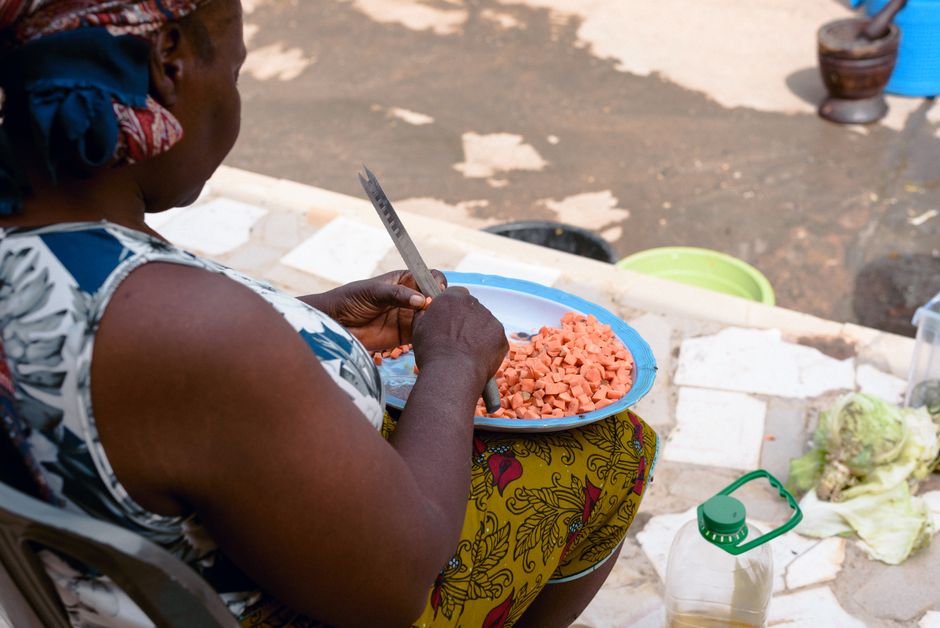
- Batch Preparation: Prepare ingredients like chopping vegetables or marinating proteins in advance.
Preparing and Storing Meals
Cooking Techniques
Use versatile cooking methods such as oven roasting, steaming, or slow cooking to enhance flavors and preserve nutrients.
Storage Solutions
Invest in quality storage containers that are microwave-safe and portioned to suit your needs. Label containers with the date and contents to keep track of meals.
Incorporating Traditional Flavors
Spices and Seasonings
Nigerian cuisine is known for its bold flavors. Use spices like cayenne pepper, thyme, curry powder, and stock cubes to maintain authenticity in your meals.
Balancing Nutrients
- Protein: Include lean meats, fish, or legumes in your meals.
- Carbohydrates: Opt for whole grains like brown rice or millet.
- Fruits and Vegetables: Add a variety of seasonal produce for a balanced diet.
Overcoming Meal Prep Challenges
Common Pitfalls
Address common issues such as repetitive meals, storage problems, or lack of variety by planning diverse menus and rotating recipes weekly.
Staying Motivated
Keep meal prep exciting by experimenting with new recipes, joining a community for support, or involving family in the process.
Final Thoughts
Meal prep is a valuable tool for anyone looking to streamline their life while maintaining a healthy diet. By incorporating traditional Nigerian dishes into your meal prep routine, you can enjoy the best of both worlds — convenience and flavor. Start small, stay consistent, and before you know it, you'll be a meal prep pro, savoring delicious, homemade meals every day of the week.