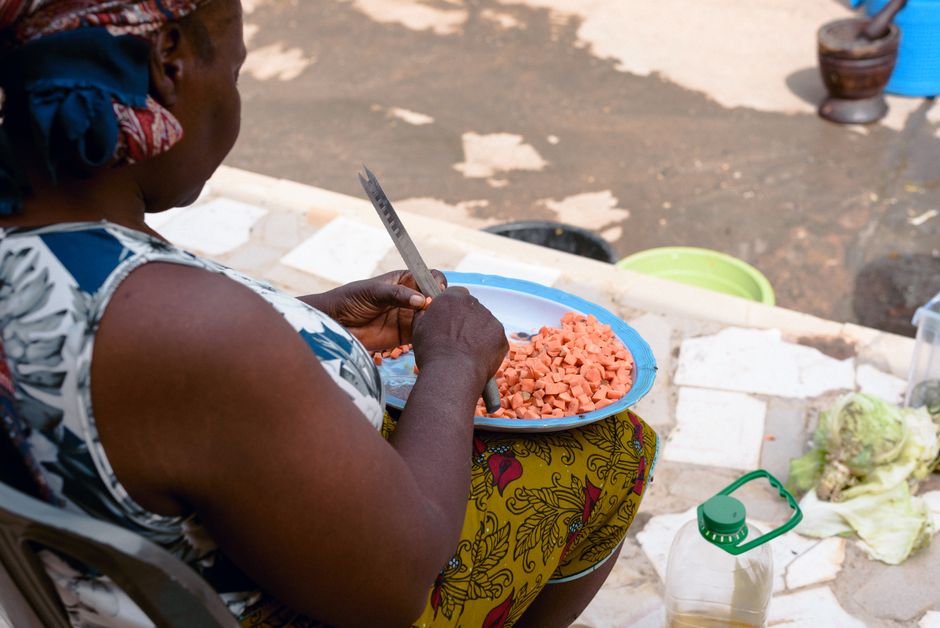
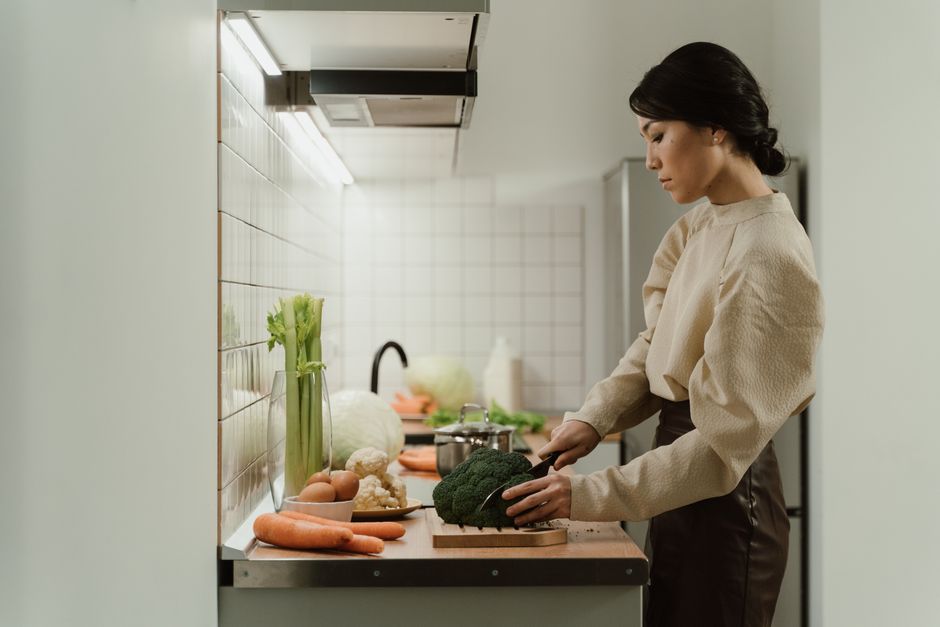
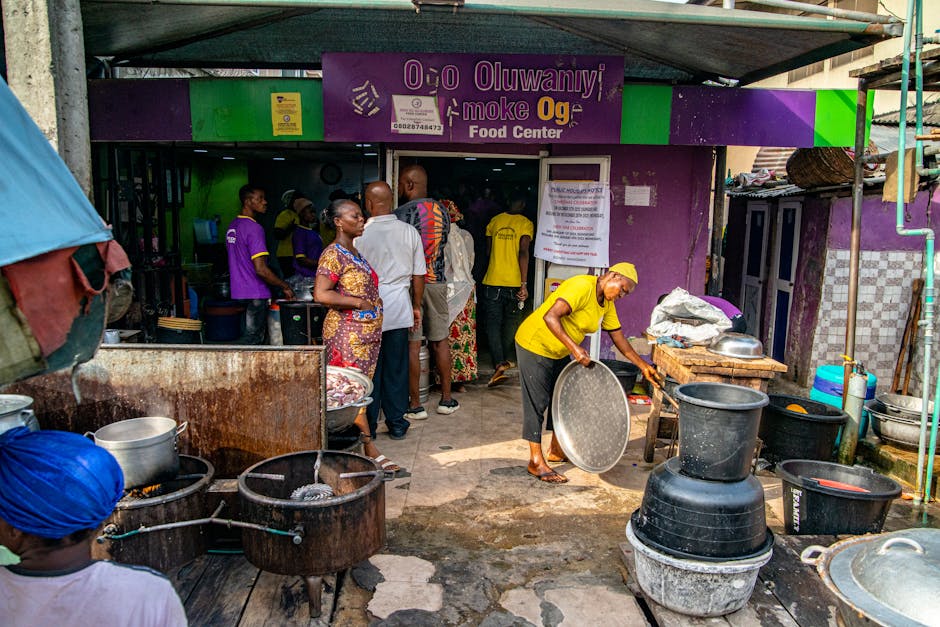
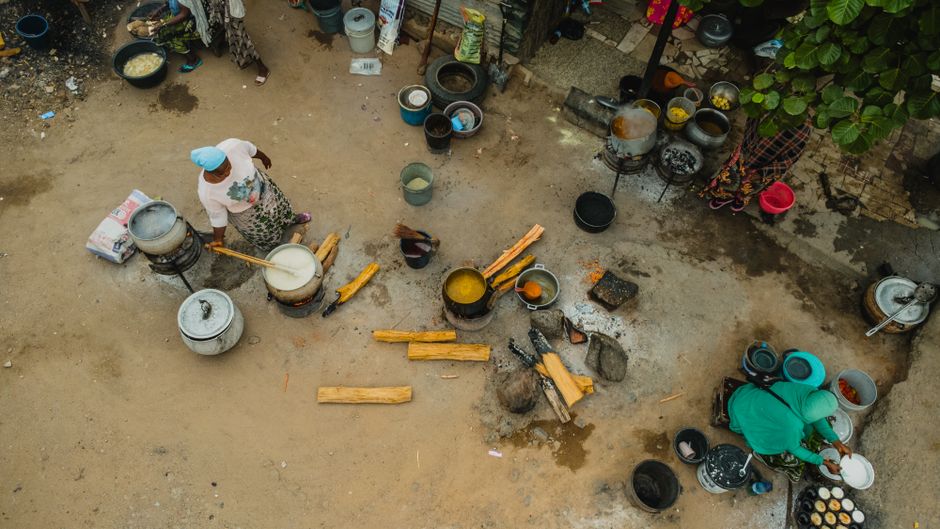
Meal prep is more than just a trend—it's a lifestyle that transforms how we approach food, especially in bustling Nigerian cities. With the demands of modern life, finding time to cook daily can be overwhelming. But imagine having delicious, home-cooked meals ready to go, saving you time and stress. Meal prepping can be your secret weapon, making it easier to stick to a healthy diet without sacrificing flavor or variety.
In this article, we’ll dive into the art of meal prep specifically tailored for the Nigerian diet. We'll cover everything from essential tips to practical planning strategies, ensuring you can enjoy the rich flavors of our beloved cuisine while maintaining a balanced diet. Whether you're a busy professional or a meticulous planner, these insights will help you revolutionize your eating habits.
Understanding the Basics of Meal Prep
What is Meal Prep?
Meal prep involves preparing meals or meal components in advance, often for a week at a time. This approach allows you to save time and ensure you always have healthy meals available, reducing the temptation to opt for quick, unhealthy options.
The Benefits of Meal Prep
- Time Efficiency: Spend less time cooking daily by preparing larger portions in advance.
- Cost-Effective: Buying ingredients in bulk can save money.
- Healthier Choices: Planning meals ahead helps maintain a balanced diet.
- Reduced Stress: Eliminate the daily stress of deciding what to eat.
“One cannot think well, love well, sleep well, if one has not dined well.” — Virginia Woolf
Essential Meal Prep Tools and Ingredients
Must-Have Kitchen Tools
- Storage Containers: Invest in a variety of containers for portion control and to keep food fresh.
- Sharp Knives: Quality knives make food preparation quicker and safer.
- Slow Cooker or Pressure Cooker: These appliances are perfect for bulk cooking.
Staple Ingredients for Nigerian Meals
- Rice and Beans: A nutritious base for many meals.
- Vegetables: Opt for locally grown options like spinach, ugu, and okra.
- Proteins: Stock up on affordable proteins like chicken, fish, and eggs.
- Spices: Keep a variety of spices such as thyme, curry, and pepper.
Practical Meal Prep Strategies
Planning Your Meals
Plan meals according to your schedule. Consider your weekly commitments and allocate time for meal prep on less busy days, typically during the weekends.
Batch Cooking Techniques
Focus on versatile recipes that can be adjusted throughout the week. For instance, prepare a large pot of jollof rice that can be paired with different proteins and vegetables for variety.
Organizing Your Prep Session
- Set Goals: Decide on the number of meals to prep.
- Create a Shopping List: Organize by store section to streamline shopping.
- Prep in Stages: Wash, cut, and marinate ingredients before cooking.
Maintaining Freshness and Flavor
Best Practices for Storage
Use airtight containers to keep meals fresh. Label containers with dates to track freshness and avoid spoilage.
Reheating Tips for Optimal Taste
For best results, use a microwave or stove to reheat meals evenly. Consider adding a splash of water to rice dishes to keep them moist.
“Investing time in meal prep is investing in your health and well-being.”
Conclusion
Meal prepping can transform your approach to food, saving you time and ensuring healthier eating habits. By incorporating these practical tips tailored for the Nigerian diet, you can enjoy a diverse range of delicious meals without compromising on nutrition. So, embrace the meal prep lifestyle and enjoy the convenience and benefits it brings to your table.