Meal prep has become a buzzword in the health and wellness community, and for good reason. Not only does it save time, but it also ensures that you have nutritious meals ready to go, aligning with your health goals. For many Nigerians, the concept of meal prep might seem foreign or even unnecessary. However, given our bustling lifestyles and diverse culinary heritage, incorporating meal prep into our routine can simplify our lives and pave the way for healthier eating habits.
Imagine coming home after a long day of work to find that dinner is already prepared, packed with the vibrant flavors and nutrients that Nigerian cuisine offers. Sounds appealing, right? By mastering meal prep, you can enjoy the best of both worlds: convenience and nutrition, while still savoring the dishes you love.
In this article, we'll delve deep into the world of meal prep specifically tailored for Nigerians. We'll explore practical tips, address common challenges, and offer solutions to make meal prep an enjoyable and rewarding experience. Let's get started!
Understanding the Basics of Meal Prep
What is Meal Prep?
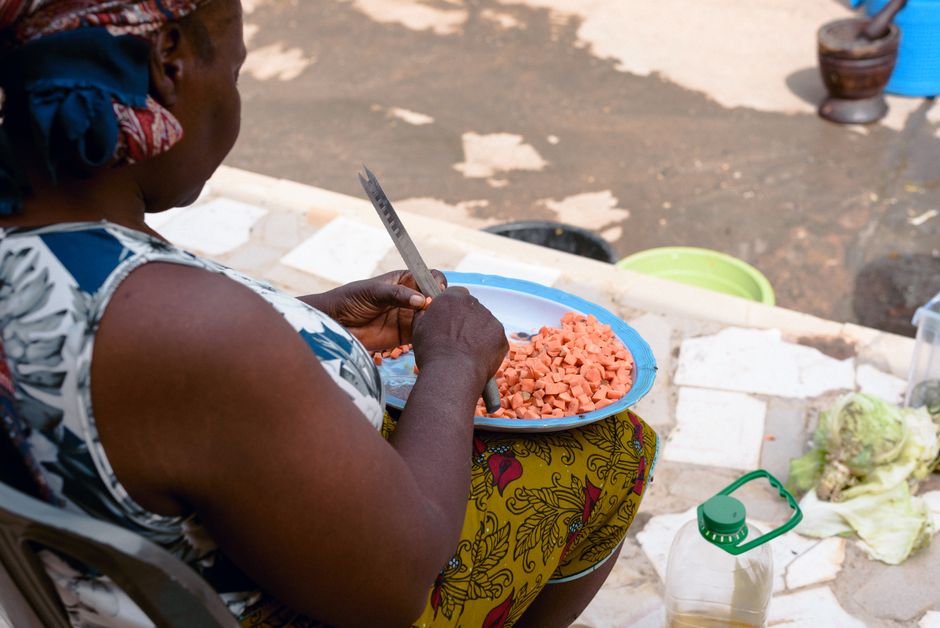
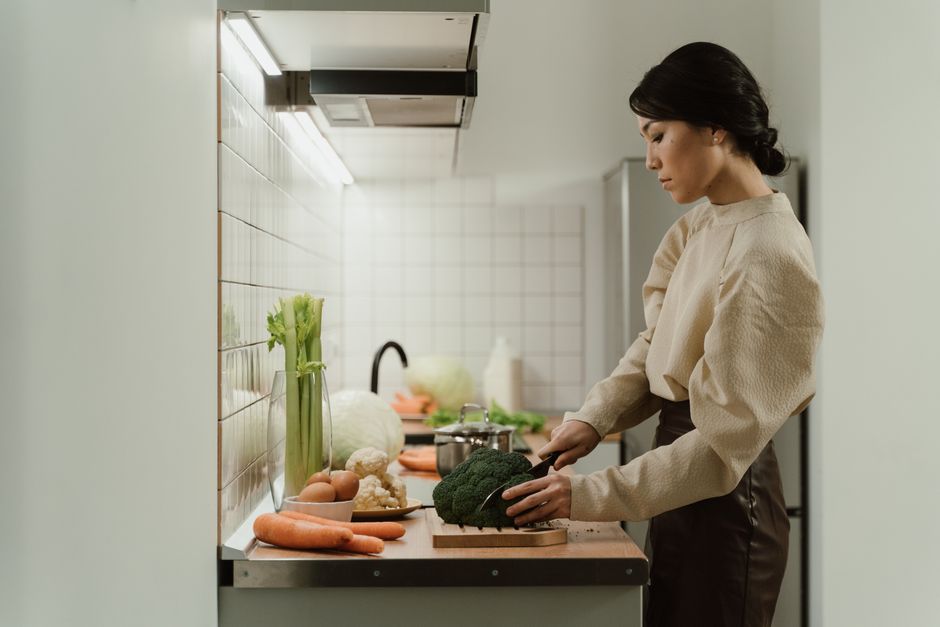
Meal prep is the process of planning and preparing meals ahead of time. It can range from simply chopping vegetables for the week to cooking full meals that can be reheated and eaten later. The primary goal is to save time during the week while ensuring that you have healthy, home-cooked meals ready.
Benefits of Meal Prep
- Time-saving: Spend less time in the kitchen during busy weekdays.
- Healthier eating: Control your portion sizes and the ingredients used.
- Cost-effective: Reduce food wastage and avoid the temptation of eating out.
- Stress reduction: Eliminate the daily question of "What's for dinner?"
Nigerian Ingredients Perfect for Meal Prep
Staples to Include
When thinking about meal prepping with a Nigerian twist, it's important to consider ingredients that are versatile, healthy, and can withstand being stored for a few days. Thankfully, many Nigerian staples fit this criteria perfectly.
- Rice: A staple in many Nigerian homes, rice is versatile and can be paired with various sauces and proteins.
- Beans: Whether you prefer them as a side dish or main meal, beans are rich in protein and fiber.
- Yam and plantains: These can be boiled, fried, or roasted and stored for later use.
- Leafy greens: Vegetables like spinach and ugu are nutrient-dense and add flavor and texture to any meal.
Proteins to Consider
Protein is essential for a balanced diet, and Nigerian cuisine offers a plethora of delicious options. Here are some proteins that are meal prep-friendly:
- Chicken: It's versatile, easy to cook, and pairs well with many dishes.
- Fish: Rich in omega-3 fatty acids, fish like tilapia and catfish are great options.
- Beef and goat meat: These can be cooked in bulk and used in soups or stews.
Practical Meal Prep Tips for Nigerians
Plan Your Meals
Planning is the cornerstone of successful meal prep. Start by deciding on the meals you want to prepare for the week and make a grocery list of the necessary ingredients. Consider incorporating a mix of traditional Nigerian dishes and new recipes to keep things interesting.
"Planning your meals not only saves time but also ensures a balanced diet, helping you meet your nutritional needs effortlessly."
Invest in Quality Storage Containers
Having the right storage containers is crucial for keeping your meals fresh. Opt for reusable, airtight containers that are microwave and dishwasher safe. This will maintain the taste and quality of your food.
Batch Cooking and Freezing
Batch cooking is an efficient way to prepare large quantities of food that can be stored in the fridge or freezer. This method is particularly useful for stews, soups, and rice dishes that can be easily reheated.
Overcoming Common Meal Prep Challenges
Finding Time for Meal Prep
One of the biggest hurdles to meal prepping is finding the time to do it. Dedicate a specific day and time each week for meal prep. Many find that Sundays work well, but find what suits your schedule best.
Dealing with Food Boredom
Eating the same meals repeatedly can lead to food boredom. To combat this, try experimenting with different spices, sauces, and side dishes to add variety to your meals. Keeping a rotation of different recipes can also help.
Ensuring Nutritional Balance
It's essential to ensure that your prepped meals are nutritionally balanced. Aim to include a protein, carbohydrate, and vegetable in each meal. This balance will keep you full and energized throughout the day.
Conclusion
Meal prep is a powerful tool that can transform the way you approach eating and nutrition. By adopting these strategies, you can enjoy the rich flavors of Nigerian cuisine while maintaining a healthy lifestyle. With a bit of planning and creativity, meal prep can become a seamless part of your routine, helping you save time, eat better, and achieve your health goals.