Are you tired of the daily hassle of deciding what to eat? Or maybe you find yourself reaching for unhealthy snacks because cooking seems daunting after a long day. You're not alone. Many Nigerians struggle with maintaining a healthy diet amidst busy schedules. But what if I told you there's a way to enjoy delicious, nutritious meals without the stress? Enter the world of meal prepping. This isn't just a trend; it's a life-changing habit that can transform your health and well-being. Let's dive into how you can master meal prep, Nigerian-style, for a healthier life.
Understanding the Basics of Meal Prep
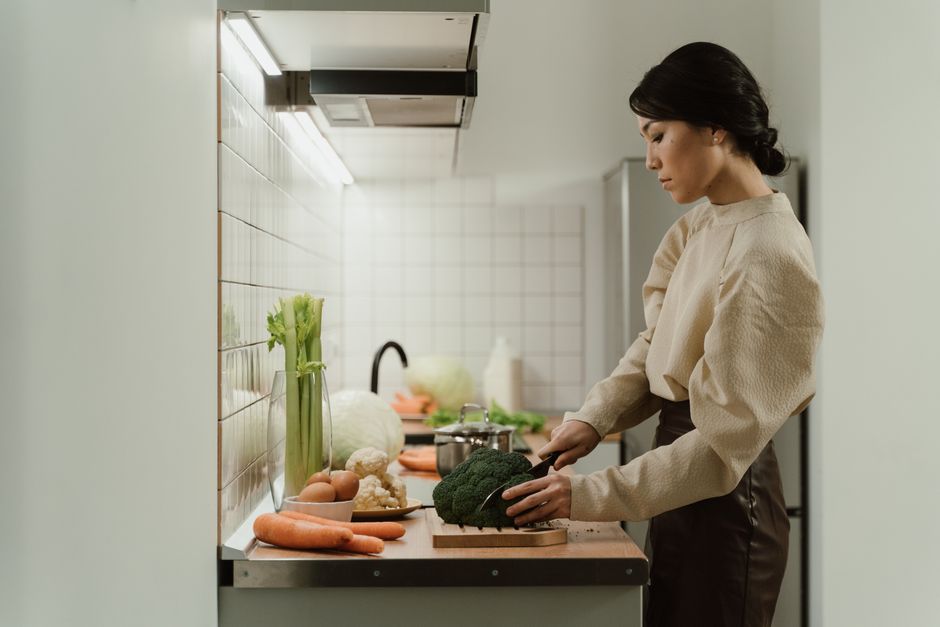
Meal prep involves preparing your meals in advance, ensuring you have ready-to-eat food throughout the week. The idea is to dedicate a few hours once or twice a week to cook in bulk, so you avoid the daily grind of meal-making. This is especially beneficial if you're managing a tight schedule, juggling work, family, and social responsibilities.
Benefits of Meal Prep
- Saves Time: Spend less time in the kitchen daily and free up your evenings.
- Healthier Eating: Control your portions and include more balanced meals.
- Budget-Friendly: Reduce food waste and save money by buying in bulk.
Getting Started with Meal Prep
Before diving into the kitchen, it’s essential to have a clear plan. Start by setting your goals: Are you prepping for weight loss, muscle gain, or simply to eat healthier? Your goals will guide your meal choices and portion sizes.
Planning Your Nigerian Meal Prep
Now that you understand the basics, let's talk about planning your Nigerian-style meal prep. The beauty of this is that you can incorporate traditional dishes that you love, ensuring you never get bored with your meals.
Choosing Your Meals
Select meals that are not only nutritious but also easy to prepare in bulk. Consider dishes like jollof rice, moi moi, and egusi soup. These meals are not only packed with flavor but can also be stored and reheated without losing their deliciousness.
- Jollof Rice: A staple that can be paired with grilled chicken or fish.
- Moi Moi: A protein-rich dish that pairs well with pap or custard.
- Egusi Soup: Rich in nutrients, perfect with pounded yam or eba.
Shopping for Ingredients
Make a list of all the ingredients you’ll need for the week. Shopping in bulk at local markets not only saves money but also supports local farmers. Look for fresh produce and don’t hesitate to ask for deals on items you purchase frequently.
Executing the Meal Prep
With your plan and ingredients ready, it's time to cook! Set aside a day or two in the week dedicated to meal prep. This could be a weekend or any day that suits your schedule. Make it a fun activity by involving your family or listening to your favorite music or podcast while you cook.
Batch Cooking
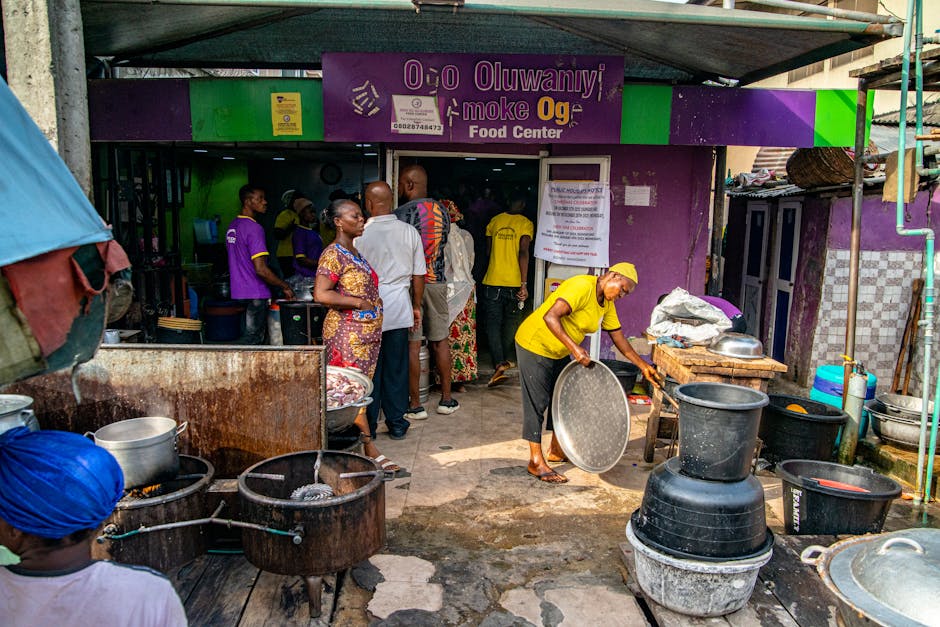
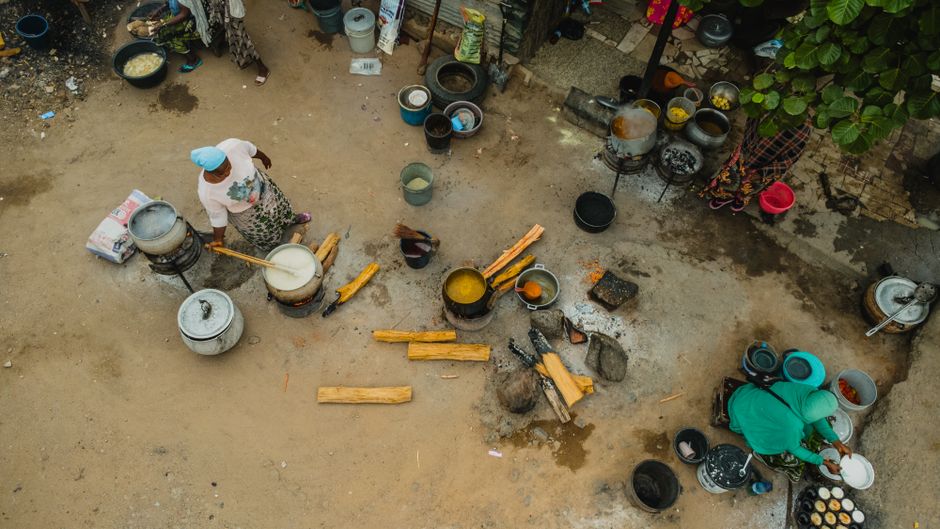
Focus on cooking meals that can be easily scaled up. Cook large pots of stew, soups, and grains, then portion them into containers.
Tip: Use clear containers so you can easily see what's inside, and label them with the date to keep track of freshness.
Storage Tips
Proper storage is key to ensuring your meals remain fresh throughout the week. Invest in airtight containers, and for soups and stews, using freezer-friendly bags can save space. Always allow food to cool before sealing to prevent spoilage.
Maintaining Your Meal Prep Routine
The true benefit of meal prep lies in consistency. Make it a routine that you look forward to rather than a chore. Over time, you'll notice the positive impact it has on your health, time, and finances.
Addressing Common Challenges
It's natural to face challenges, especially when you're new to meal prepping. Here are some solutions to common problems:
- Running Out of Ideas: Experiment with new recipes or switch up pairings.
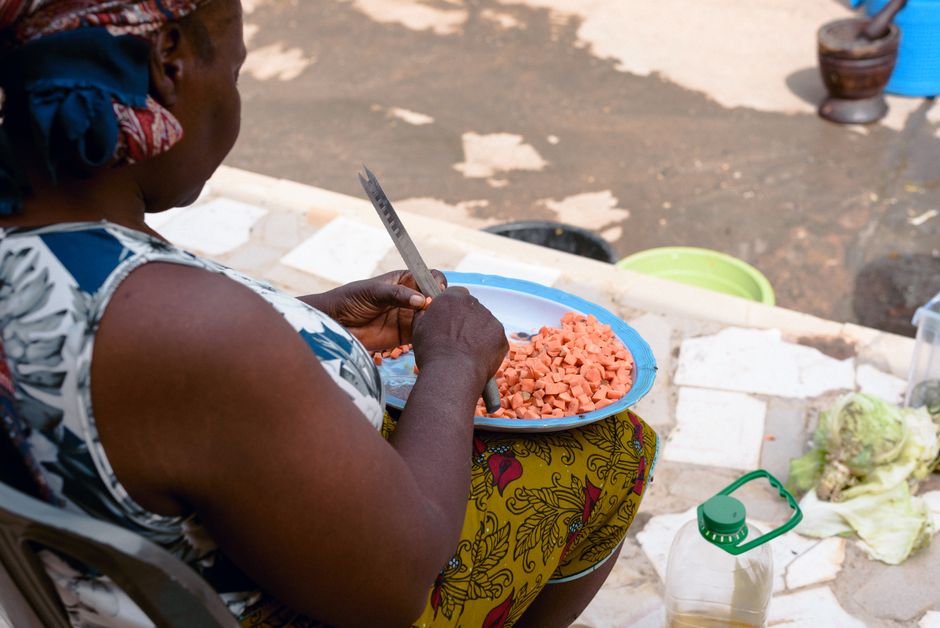
- Lack of Time: Streamline your process by cutting vegetables in advance or using pre-chopped options.
- Getting Bored: Incorporate theme days like "Meatless Mondays" or "Spicy Saturdays."
Conclusion
Mastering meal prep is more than just a dietary change; it's an investment in your health and lifestyle. By incorporating these tips and embracing traditional Nigerian meals, you're setting yourself up for a sustainable, healthier future. Remember, the key is to start small, stay consistent, and enjoy the journey. Happy prepping!