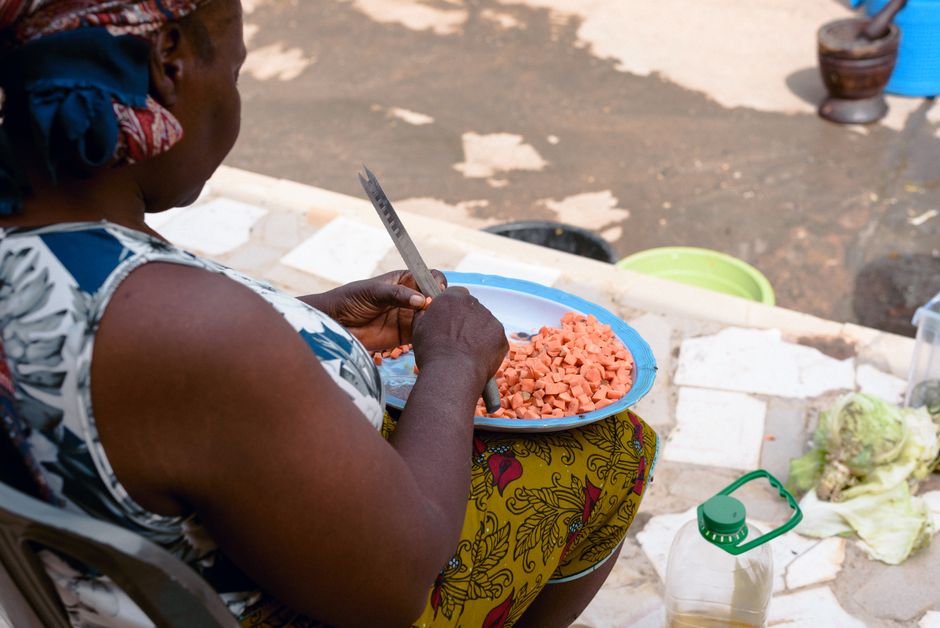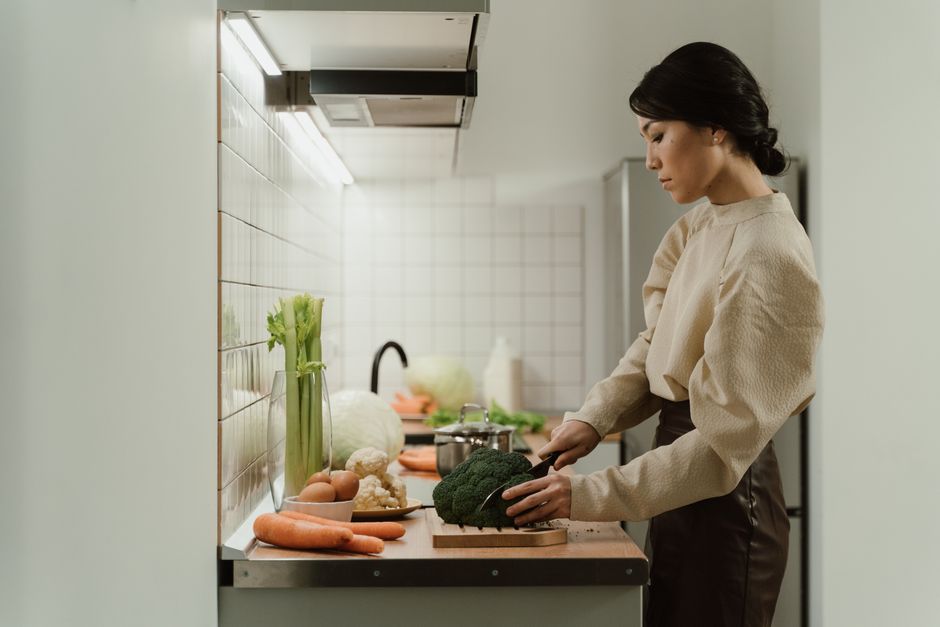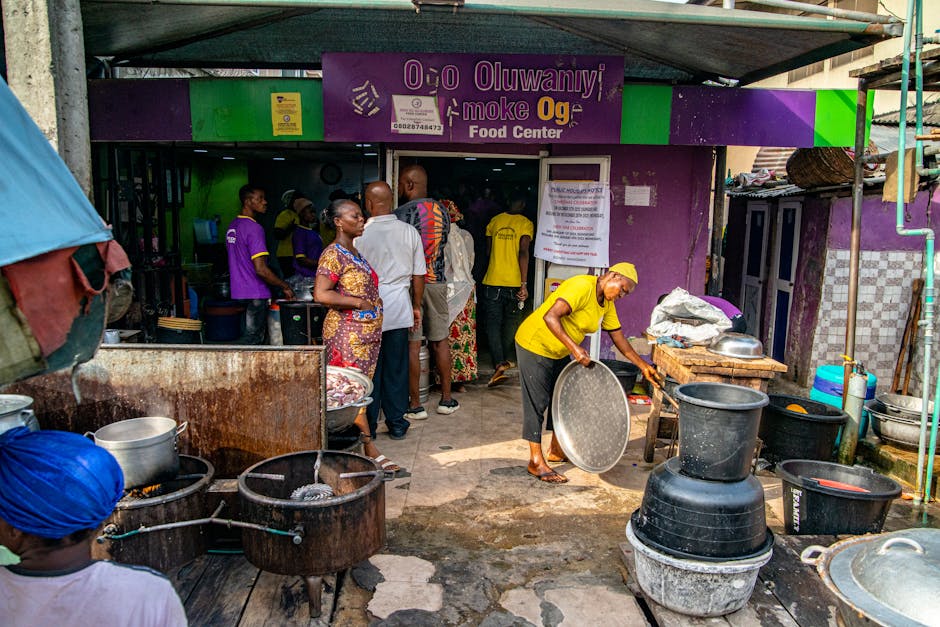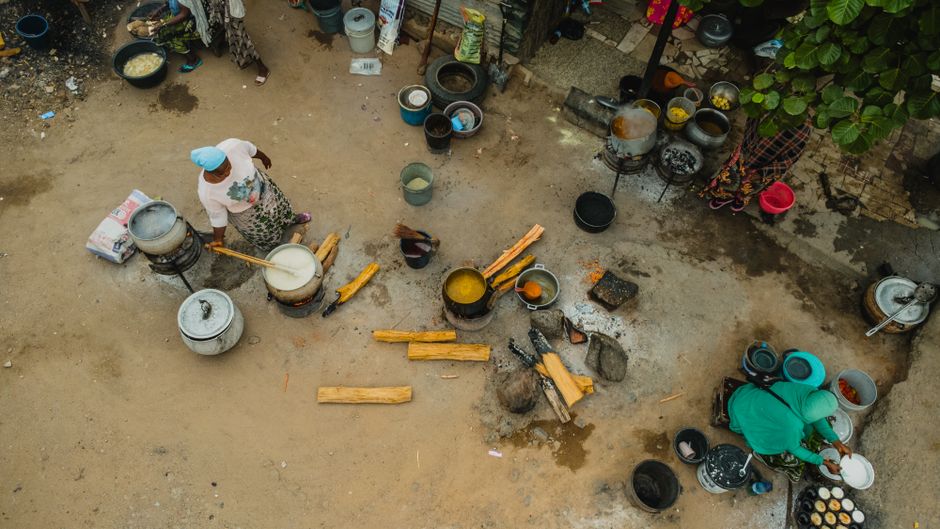
In Nigeria's bustling cities, where life moves at a rapid pace and responsibilities seem endless, finding the time to eat healthily can often feel like a daunting task. However, a structured approach to meal preparation can not only make healthy eating more accessible but also help you maintain a balanced diet without compromising on taste or nutrition. Welcome to the world of meal prep, Nigerian style—a blend of tradition, flavor, and practicality.
Meal prep isn't just about cooking in bulk; it's a lifestyle choice that empowers you to eat well, save time, and reduce food waste. Whether you're a busy professional, a student, or a parent juggling multiple roles, this guide aims to introduce you to the art of meal prep specifically tailored to the Nigerian palate. Let's dive in and explore how you can revolutionize your meal times.
Understanding the Basics of Meal Prep
Before diving headfirst into meal prep, it's important to grasp the fundamentals. Meal prep involves planning, preparing, and sometimes cooking meals in advance. This practice helps streamline your week, allowing you to enjoy nutritious meals without the daily hassle of cooking from scratch.
Why Meal Prep is Popular
The popularity of meal prep has skyrocketed for several reasons. Firstly, it saves time—you cook once and eat multiple times. Secondly, it promotes healthier eating by reducing the temptation to opt for fast food. Lastly, it's cost-effective, as buying ingredients in bulk often leads to savings.
- Time-saving: Reduces daily cooking time.
- Healthier choices: Encourages balanced eating.
- Cost-effective: Saves money by reducing food waste.
Essential Tools for Meal Prep
To start your meal prep journey, you'll need a few essential tools. These include durable storage containers, a reliable set of sharp knives, measuring cups, and a meal planner. In Nigeria, where power supply can be erratic, investing in a cooler box or a sturdy insulated lunch bag can also be beneficial for preserving food quality.
- Storage containers: Keep food fresh longer.
- Sharp knives: Essential for quick prep.
- Meal planner: Helps organize your week.
- Cooler box: Preserves meals during power outages.
The Nigerian Twist: Incorporating Local Flavors
Nigerian cuisine is rich, diverse, and packed with flavors that are deeply rooted in tradition. When it comes to meal prep, the key is to incorporate these local flavors while maintaining a balanced diet.
Staple Ingredients for Nigerian Meal Prep
Incorporating staple ingredients such as yams, plantains, beans, and rice into your meal prep routine can help maintain the authentic taste of Nigerian dishes. These ingredients are not only versatile but also provide essential nutrients.
- Yams and plantains: Great sources of carbohydrates.
- Beans: Packed with protein and fiber.
- Rice: Versatile base for many Nigerian dishes.
Spicing It Up: Using Local Spices
Spices are at the heart of Nigerian cuisine. Incorporating spices like ginger, garlic, thyme, and cayenne pepper in your meals can transform a simple dish into a culinary delight. These spices not only enhance the flavor but also offer numerous health benefits.
- Ginger and garlic: Boost immune function.
- Thyme: Adds flavor and aroma.
- Cayenne pepper: Adds heat and aids digestion.
Practical Meal Prep Strategies for Nigerians
Implementing effective meal prep strategies can make the process manageable and enjoyable. Here are some practical tips to get you started.
Planning Your Meals
Start by planning your meals for the week. Consider your schedule, dietary preferences, and nutritional needs. Use a meal planner to outline breakfast, lunch, and dinner options, and make a comprehensive shopping list to ensure you have all the necessary ingredients.
"Failing to plan is planning to fail. A well-thought-out meal plan is the foundation of successful meal prep."
Batch Cooking for Efficiency
Batch cooking is a cornerstone of meal prep. Choose a day when you have a few hours to spare, and prepare large quantities of your favorite dishes. Divide these into individual portions and store them in your fridge or freezer for easy access during the week.
- Choose simple recipes: Start with easy-to-cook dishes.
- Utilize your oven: Roast large trays of vegetables or meats.
- Use a slow cooker: Perfect for stews and soups.
Storage Solutions: Keeping Food Fresh
Proper storage is crucial in maintaining the freshness and safety of prepped meals. Use airtight containers to store meals in the refrigerator or freezer, and label each container with the date and contents to keep track of freshness.
Balancing Nutrition with Meal Prep
While meal prep is a fantastic way to streamline your eating habits, ensuring nutritional balance is key. Nigerian meals are traditionally rich in carbohydrates, so it's important to balance them with adequate proteins and vegetables.
Including a Variety of Nutrients
Ensure your meal prep includes a variety of food groups. Each meal should aim to include a balance of proteins, carbohydrates, and healthy fats, along with a generous serving of vegetables.
- Proteins: Include fish, chicken, or legumes.
- Carbohydrates: Opt for whole grains and legumes.
- Healthy fats: Incorporate nuts, seeds, and avocado.
Portion Control and Serving Sizes
Portion control is an important aspect of meal prep. By preparing individual servings, you can avoid overeating and ensure you're getting the right amount of nutrients.
"Eating mindfully can make a significant difference in maintaining a healthy weight and preventing overconsumption."
Conclusion
Meal prep is more than just a trend; it's a lifestyle change that can have profound impacts on your health and daily routine. By incorporating these strategies and tips tailored to the Nigerian context, you can enjoy the benefits of nutritious, homemade meals without the daily stress of cooking. Embrace meal prep as a tool to simplify your life, eat healthier, and savor the rich flavors of Nigerian cuisine with every bite.