In a bustling country like Nigeria, balancing work, family, and personal aspirations can be quite daunting. Amidst this hustle, maintaining a healthy diet often takes a backseat. That's where the magic of meal prep comes in, especially when tailored to the unique flavors and ingredients of Nigerian cuisine. Meal prepping isn't just a trend; it's a lifestyle shift that can transform your health and save you time.
Meal prep can sound intimidating, but once you master it, you'll wonder how you ever lived without it. Imagine opening your fridge to find it filled with neatly packed bowls of jollof rice, efo riro, or a colorful salad inspired by local market vegetables. It's not only about convenience but also about reclaiming your time and health.
This guide will walk you through the essentials of Nigerian-style meal prep, offering practical tips, mouth-watering recipes, and nutritional insights. Whether you're a busy professional, a student, or a parent juggling multiple responsibilities, this article is your roadmap to healthier eating.
Understanding the Basics of Meal Prep
Why Meal Prep?
Meal prep is more than just a time-saver; it's a powerful tool for maintaining a healthy diet. By planning and preparing your meals in advance, you can ensure that you're eating balanced, nutritious meals every day, rather than grabbing unhealthy fast food or skipping meals altogether. Meal prep helps in controlling portion sizes, saving money, and reducing food waste.
Key takeaway: Meal prep is your ticket to a healthier, more organized lifestyle.
Essential Tools for Meal Prep
Before you start meal prepping, it's important to have the right tools on hand. Here are some essentials:
- Storage containers: Invest in good quality, airtight containers for storing your meals. Glass containers are a great option as they're durable and don't retain odors.
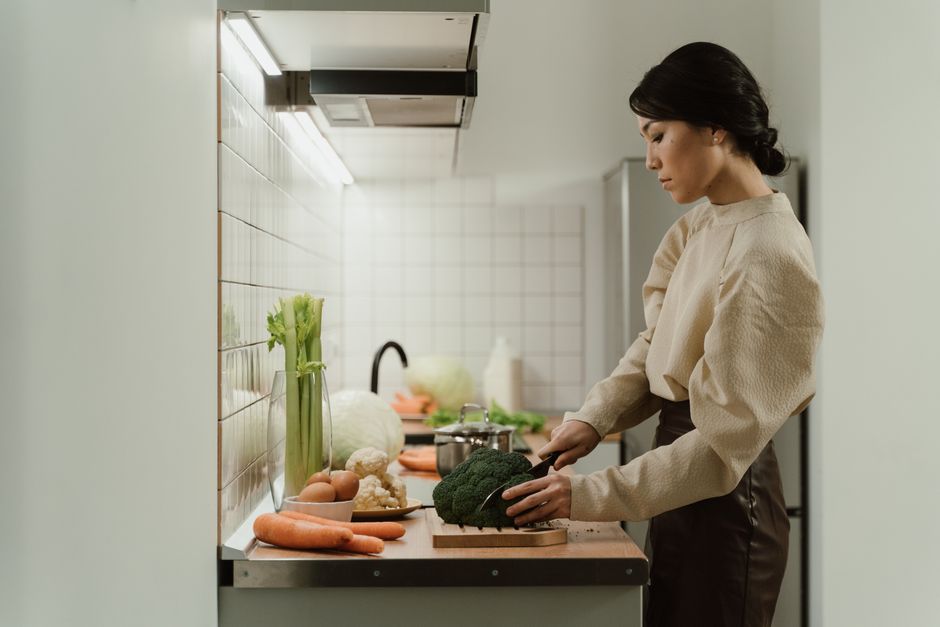
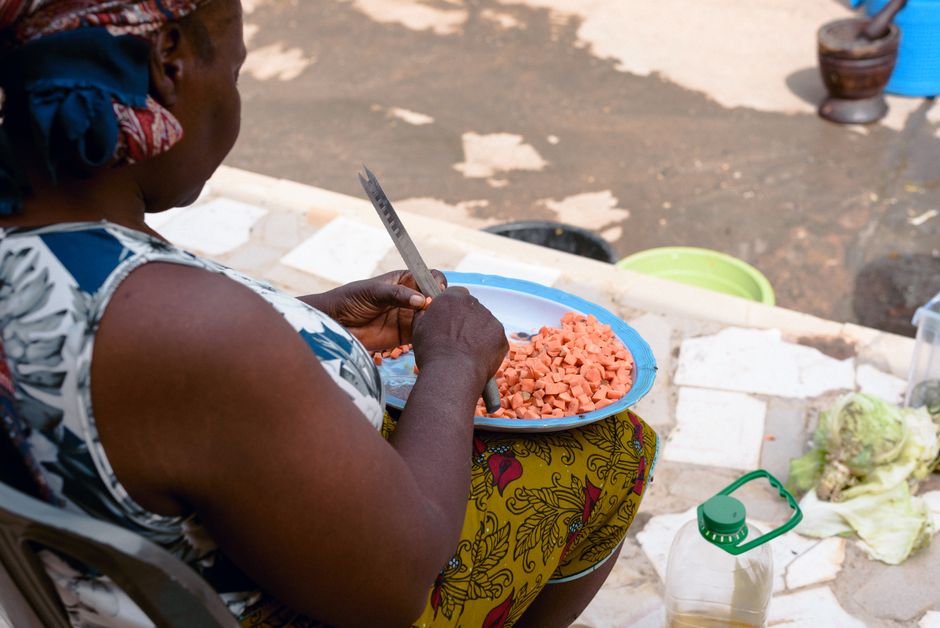
- Sharp knives: A sharp knife is crucial for efficiently chopping vegetables and meats.
- Measuring cups and spoons: These help in ensuring accurate portion sizes.
- Cooking utensils: Basic utensils like spatulas, ladles, and tongs are necessary for meal prep.
Having these tools will make the process smoother and more enjoyable.
Choosing the Right Ingredients
Focus on Local Produce
Nigeria is blessed with an abundance of fresh produce. Incorporating local fruits and vegetables not only supports local farmers but also ensures that you're eating fresh, nutrient-rich foods. Think about including greens like ugu, bitterleaf, and waterleaf, which are rich in vitamins and minerals.
Protein Sources
Protein is a crucial part of meal prep as it keeps you full and energized. In Nigeria, you can choose from a variety of sources such as fish, chicken, turkey, and legumes like beans and lentils. Experiment with different recipes to keep your meals interesting.
Expert tip: Opt for lean proteins like chicken breast or fish for a healthier diet.
Practical Meal Prep Tips
Plan Your Meals
Planning is the cornerstone of meal prep. Dedicate some time each week to plan your meals. Decide on recipes, create a shopping list, and stick to it to avoid impulse buys.
Batch Cooking Techniques
Batch cooking is key to efficient meal prep. Cook large quantities of your chosen dishes, portion them out, and store them in the fridge or freezer. This way, you have a healthy meal ready whenever you need it.
- Rice and grains: Cook a big batch of rice or quinoa, and portion it into meals.
- Proteins: Grill or bake chicken, fish, or tofu in bulk.
- Sauces and soups: Prepare sauces like tomato stew or soups in advance.
Incorporating Nigerian Cuisine
Classic Nigerian Dishes for Meal Prep
Nigerian cuisine offers a variety of flavors that can be easily incorporated into meal prep. Here are some ideas:
- Jollof Rice: A staple in Nigerian homes, jollof rice can be paired with grilled chicken or fish for a complete meal.
- Efo Riro: A rich spinach stew that pairs well with traditional swallow or rice.
- Beans and Plantain: A hearty and nutritious option for lunch or dinner.
Modify Recipes for Healthier Options
While enjoying traditional dishes, it's important to keep health in mind. Reduce oil and salt, choose lean cuts of meat, and add plenty of vegetables to your meals.
Pro tip: Use palm oil sparingly and explore other healthy oils like olive oil.
Storing and Reheating Meals
Proper Storage Techniques
Ensure that your meals are stored properly to maintain their freshness and prevent spoilage. Label your containers with the date they were prepped, and use the oldest meals first. Store perishable items like salads and fruits separately until you're ready to eat them.
Reheating Tips
When reheating meals, use a microwave or stovetop to ensure even heating. Stir dishes occasionally to prevent cold spots.
Important: Always ensure that reheated food reaches an internal temperature of 74°C (165°F) to prevent foodborne illnesses.
Conclusion
Meal prep is not just about planning and organizing; it's about embracing a healthier lifestyle that fits seamlessly into your busy schedule. By incorporating local ingredients and traditional flavors, meal prep becomes more than just a routine – it becomes a celebration of Nigerian cuisine. Start small, be consistent, and watch as your health and life transform.
Remember, the journey to a healthier you begins with a single meal prep session. So, why not start today?