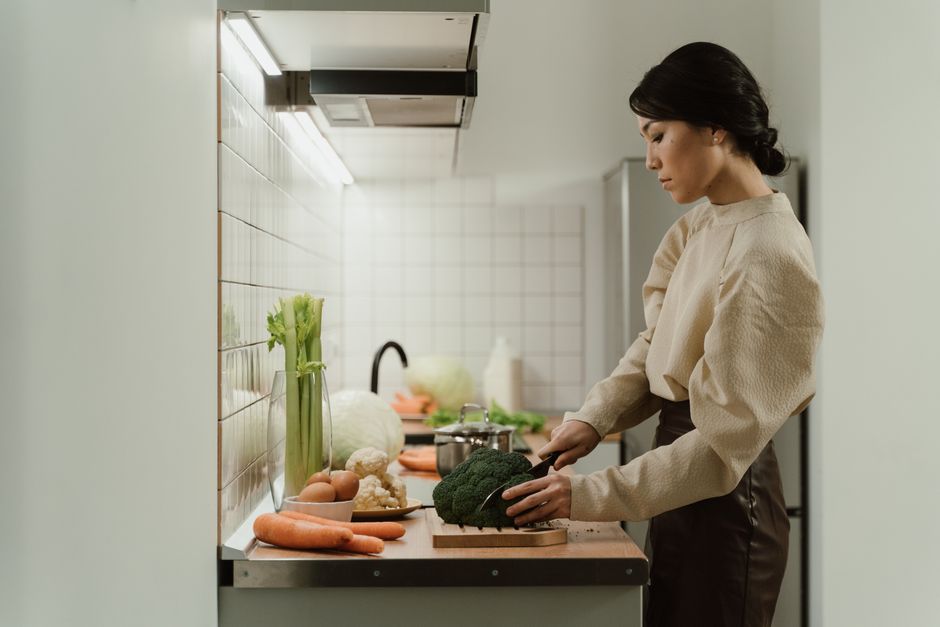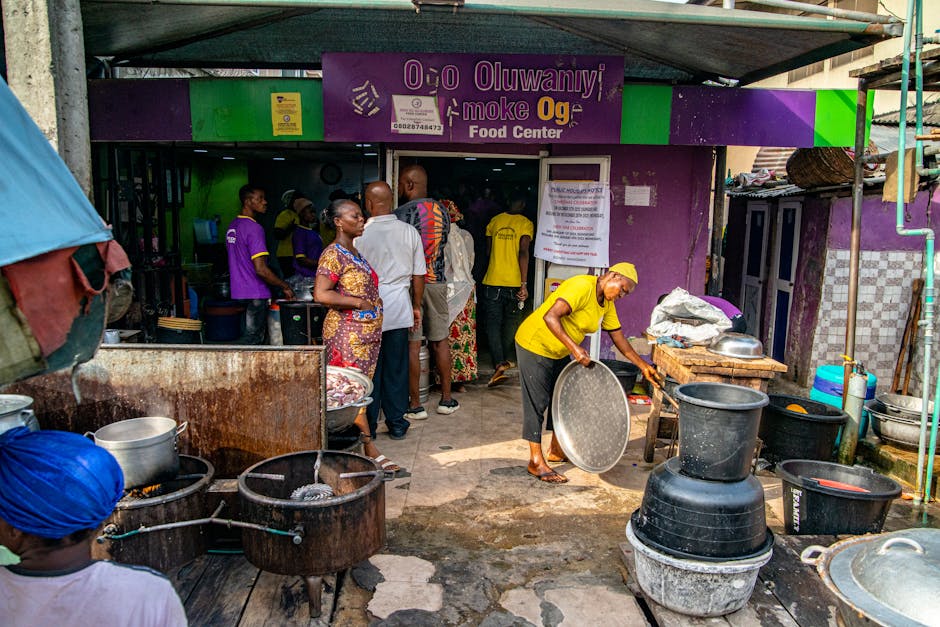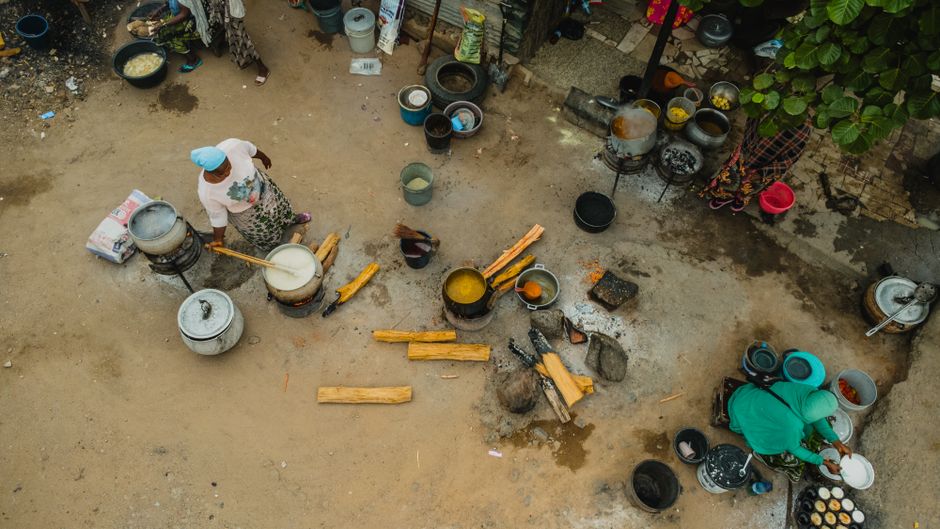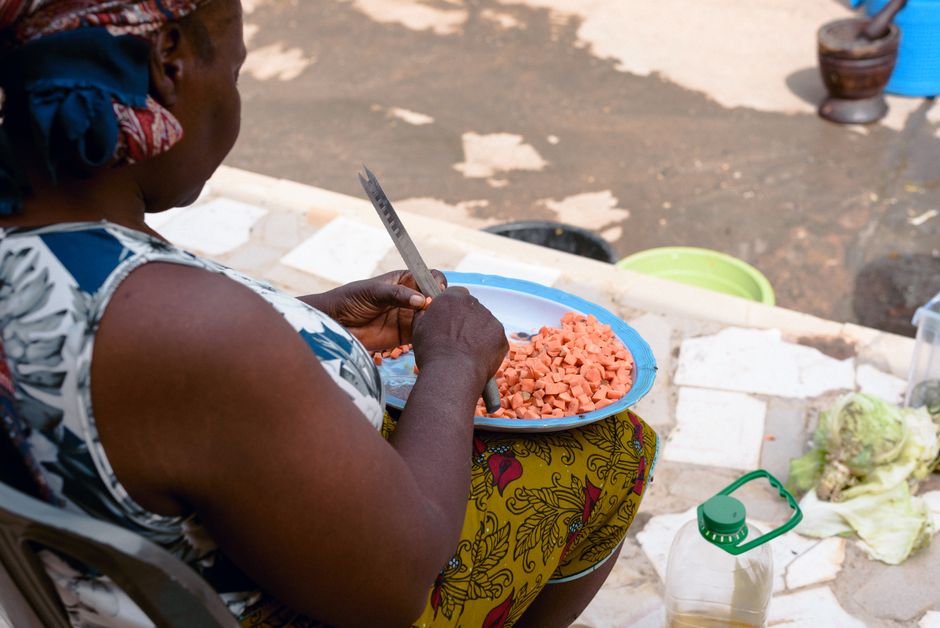
Meal prep has become a buzzword in recent years, and for good reason. It promises to save time, reduce stress, and help maintain a healthy diet. But how does this trend fit into the Nigerian lifestyle, where our rich culinary heritage is both a source of pride and sometimes a challenge to navigate for the health-conscious? Fear not, because meal prep, when done right, can be a game-changer for anyone looking to streamline their eating habits while still enjoying the vibrant flavors of Nigerian cuisine.
Whether you're an on-the-go professional, a busy parent, or simply someone who wants to eat healthier without spending hours in the kitchen every day, mastering the art of meal prep can be your ticket to success. This guide will walk you through practical tips and strategies tailored for a Nigerian audience, ensuring you can savor traditional dishes while benefiting from modern nutritional insights.
Let's dive into the world of Nigerian meal prep, where tradition meets convenience, and where your health goals can finally align with your love for our rich and varied foods.
Understanding Meal Prep Basics
Before we delve into specific strategies, it's important to understand what meal prep actually involves. At its core, meal prep is about preparing meals or ingredients in advance, allowing for efficient, nutritious, and convenient eating throughout the week.
Why Meal Prep?
- Time-saving: Preparing meals ahead of time cuts down on cooking each day, freeing up time for other activities.
- Healthier eating: Planned meals make it easier to stick to a healthy diet, rather than grabbing fast food or unhealthy snacks on a whim.
- Budget-friendly: Buying ingredients in bulk and reducing food wastage can significantly lower grocery bills.
For Nigerians, meal prep can also mean being able to enjoy beloved dishes like Jollof rice, Egusi soup, or Moi Moi without the hassle of daily preparation.
Common Meal Prep Methods
There are several ways to approach meal prep, and what works best will depend on your personal preferences and schedule:
- Batch Cooking: Make large quantities of a dish all at once, like a pot of chicken stew or a big batch of fried rice, and divide it into portions for the week.
- Ingredient Prep: Prepare and store individual ingredients separately, such as chopping vegetables or cooking proteins, so you can quickly assemble meals when needed.
- Full Meal Prep: Cook entire meals and portion them out into containers for each day.
Nigerian Ingredients for Meal Prep
To make meal prep work with Nigerian cuisine, it's crucial to choose ingredients that are both traditional and efficient for preparation and storage.
Staple Ingredients
- Rice: A versatile base for many Nigerian dishes. Prepare plain or seasoned rice in large quantities.
- Yams and Plantains: These can be roasted, boiled, or fried, and stored for easy access during the week.
- Beans: An excellent source of protein and fiber, beans can be cooked ahead and used in dishes like Akara or Moi Moi.
Protein Choices
- Fish and Chicken: Grilled, baked, or stewed options are ideal for incorporating into various dishes.
- Eggs: Boil in batches for easy additions to meals.
- Beef and Goat Meat: These can be slow-cooked and portioned out into soups and stews.
Step-by-Step Nigerian Meal Prep
Ready to start meal prepping? Here's a step-by-step guide tailored to Nigerian meals.
Plan Your Menu
Start by deciding what meals you'll eat throughout the week. Consider breakfast, lunch, and dinner, and factor in any snacks.
"A well-planned menu is the backbone of successful meal prep."
Include a mix of classic dishes and new recipes to keep things interesting.
Shopping and Preparation
Once your menu is set, create a detailed shopping list. Visit local markets for fresh produce and staples. Bulk buying can save money and trips to the store.
- Choose a day to do your grocery shopping.
- Wash, peel, and chop vegetables to store in airtight containers.
- Marinate proteins and prepare any sauces or gravies.
Cooking and Storage
Allocate a day for cooking, ideally when you have a few uninterrupted hours.
- Cook dishes in the order that makes sense based on cooking times and shared ingredients.
- Use quality storage containers to portion meals and store in the refrigerator or freezer.
- Label containers with dates to track freshness.
Serving and Reheating
When you're ready to eat, simply reheat your meals. Having a microwave or stovetop available will make this process quick and easy.
Get creative by mixing and matching components to keep meals exciting.
Common Challenges and Solutions
While meal prep offers many benefits, it's not without its challenges. Here are some common ones and how to overcome them.
Lack of Variety
Eating the same meals repeatedly can become boring. Combat this by incorporating new recipes or flavor variations each week. Try different spices or cooking methods to keep your palate satisfied.
Storage Issues
Running out of storage space can be frustrating. Invest in stackable containers and make use of your freezer to extend the shelf life of meals.
Time Constraints
Finding time to prep can be difficult. Set aside a specific day each week dedicated to meal prep, and you'll find it becomes a habit over time.
Conclusion
Meal prep, infused with the flavors and traditions of Nigerian cuisine, offers an exceptional way to stay on track with your health goals while enjoying the rich tastes you love. By planning your meals and eating mindfully, you can save time, reduce stress, and even save money. It's all about finding the right balance between modern convenience and traditional flavors.
So, gather your ingredients, set your game plan, and bring the art of meal prep into your life. Not only will you be eating healthier, but you'll also be celebrating the vibrant culinary culture of Nigeria in every bite.