In our fast-paced world, where demands on our time and energy are constantly increasing, maintaining a balanced diet can often feel like an uphill battle. For many Nigerian readers, juggling work, family, and personal time leaves little room for the meticulous planning that healthy eating sometimes requires. This is where meal prep comes into play as a practical, efficient way to ensure that no matter how hectic your schedule, your nutrition never takes a backseat.
Meal prep involves planning and preparing your meals in advance, often for the entire week, to save time and reduce the daily stress of cooking. It's a strategy that not only helps in maintaining a healthy diet but also supports better portion control, cost-effectiveness, and minimizes food waste. For Nigerians looking to incorporate local flavors and ingredients into meal prep, this approach offers a gateway to a more structured and nutritious way of eating.
In this article, we will explore Nigerian-specific meal prep tips that can seamlessly integrate into your lifestyle, making healthy eating simple, enjoyable, and sustainable.
The Basics of Meal Prep
Understanding Meal Prep Essentials
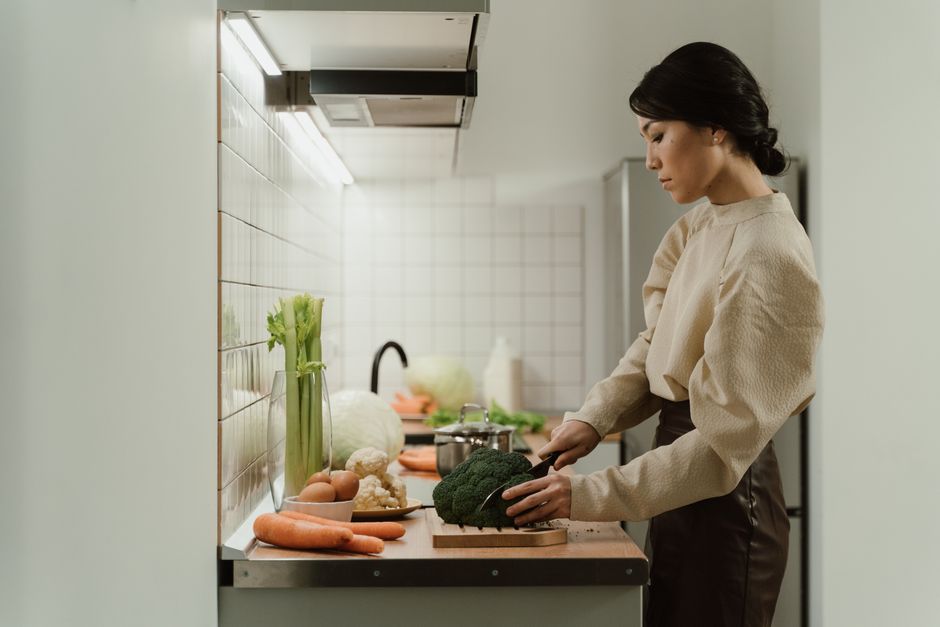
At its core, meal prep is about preparing meals ahead of time, ensuring that wholesome food is always within reach. To get started, it’s important to grasp the basics: planning your meals, shopping for ingredients, and setting aside time to cook.
- Plan Your Meals: Begin by mapping out a meal plan for the week. Decide on the meals you want to eat, taking into account your nutritional needs and preferences.
- Create a Shopping List: After planning your meals, list all the necessary ingredients. This helps avoid impulsive purchases and ensures you have everything you need.
- Set a Cooking Day: Designate a specific day for meal prepping. This might be a Saturday or Sunday when you have more free time.
Choosing the Right Ingredients
Incorporating local Nigerian ingredients into your meal prep not only ensures a familiar taste but also supports local markets and reduces your carbon footprint. Here are some staple ingredients to consider:
- Rice and Beans: A staple in Nigerian cuisine, these can be easily cooked in bulk and stored for multiple meals.
- Yams and Plantains: Versatile and filling, these can be roasted or boiled and paired with various dishes.
- Leafy Greens: Vegetables like ugu, spinach, and ewedu are nutrient-rich and can be used in soups or as side dishes.
- Protein Sources: Consider chicken, fish, or legumes. These can be marinated and grilled or cooked in stews.
Organizing Your Meal Prep
Efficient Storage Solutions
Proper storage is key to maintaining the freshness and quality of prepped meals. Use airtight containers to store cooked meals, and label them with the date to ensure they are consumed within a safe time frame.
"Invest in high-quality containers that are microwave-safe and easy to clean. This simplifies meal prep and storage considerably."
Balancing Nutrition and Taste
While meal prep is about convenience, it's also essential to maintain nutritional balance. Ensure your meals include a good mix of carbohydrates, proteins, and healthy fats. Experiment with spices and herbs to enhance flavor without relying on excessive salt or oil.
Traditional spices such as ginger, garlic, and thyme can add depth to your dishes, making them enjoyable and satisfying.
Meal Prep for Nigerian Families
Incorporating Family Favorites
Meal prep doesn't have to mean abandoning family favorite meals. Many traditional dishes can be adapted for meal prep by preparing components separately. For example, stew bases can be made in advance and used with different proteins or starches throughout the week.
- Pepper Soup: Make the broth ahead and add fresh fish or chicken when ready to eat.
- Jollof Rice: Cook the rice in bulk, storing it in portions to pair with different sides.
Engaging the Family
Involve your family in the meal prep process. This teaches children about nutrition and makes them more likely to enjoy the meals prepared. Assign age-appropriate tasks like washing vegetables or organizing the pantry.
Saving Time and Money with Meal Prep
The Financial Benefits
By planning and preparing your meals in advance, you can significantly cut down on food expenses. Buying in bulk, especially from local markets, can reduce costs compared to daily shopping trips.
"Meal prep reduces the temptation to eat out, which can be both costly and unhealthy. It keeps you accountable to your budget and dietary goals."
Time Management Tips
Meal prep requires an initial time investment, but it saves hours during the week. Here are some tips to streamline the process:
- Batch Cooking: Cook large quantities of meals at once. For example, prepare a big pot of stew that can be used in various dishes.
- Double Up: Whenever you cook, make enough for at least two meals. This reduces the number of times you need to cook each week.
- Use Kitchen Gadgets: Pressure cookers, slow cookers, and blenders can speed up cooking time and diversify your meal options.
Meal Prep Challenges and Solutions
Overcoming Common Obstacles
Meal prepping isn’t without its challenges. Some people find it monotonous or struggle with eating the same meals multiple times. Here are ways to tackle these issues:
- Variety is Key: Plan a diverse menu each week to keep meals exciting. Use different herbs and spices to alter flavor profiles.
- Portion Control: Measure servings to avoid overeating, which can be tempting with pre-made meals.
- Stay Motivated: Remind yourself of the time and health benefits. Consider the satisfaction of reaching dietary goals as motivation.
Adapting to Your Schedule
It's important to adjust meal prep to fit your lifestyle. If committing to an entire week's meals feels daunting, start with prepping for two or three days and gradually increase as you become more comfortable.
Conclusion
Meal prep is more than just a trend; it’s a lifestyle change that can transform your relationship with food. For Nigerians looking to balance their busy lives with healthy eating, incorporating meal prep into their weekly routine offers a practical solution. By planning ahead and utilizing local ingredients, you can create delicious, nutritious meals that save time, reduce stress, and promote well-being.
Remember, the journey to healthier eating is a marathon, not a sprint. Start small, remain consistent, and enjoy the benefits of a well-prepared meal prep strategy. Your future self will thank you.