In the hustle and bustle of Nigerian life, finding time to prepare healthy meals can often feel like a daunting task. Between work, family, and other commitments, nutrition sometimes takes a back seat. But what if there was a way to enjoy nutritious meals without the daily hassle? Enter meal prep – a strategy that not only saves time but also promotes a healthier lifestyle. This guide will provide you with practical, Nigerian-specific meal prep tips to help you eat well, save money, and stress less.
Meal prepping involves preparing your meals or meal components ahead of time. Whether you're a busy professional in Lagos or a student in Ibadan, meal prep can be your ally in maintaining a balanced diet. Let's dive into how you can master this art in a way that suits the Nigerian palate and lifestyle.
The Basics of Meal Prep
Understanding Your Goals
Before diving into meal prep, it's crucial to identify your personal goals. Are you looking to eat healthier, save money, or simply make your week more manageable? Understanding your 'why' can help tailor your meal prep to meet these goals effectively.
For many Nigerians, reducing food waste and saving money are key motivators. With rising food prices, meal prep can significantly cut down on spontaneous take-outs and food waste, ensuring you get the most out of your groceries.
Tools You Need
Having the right tools can make meal prep more efficient. Here are some essentials:
- Storage Containers: Invest in airtight containers of various sizes for storing different meal portions.
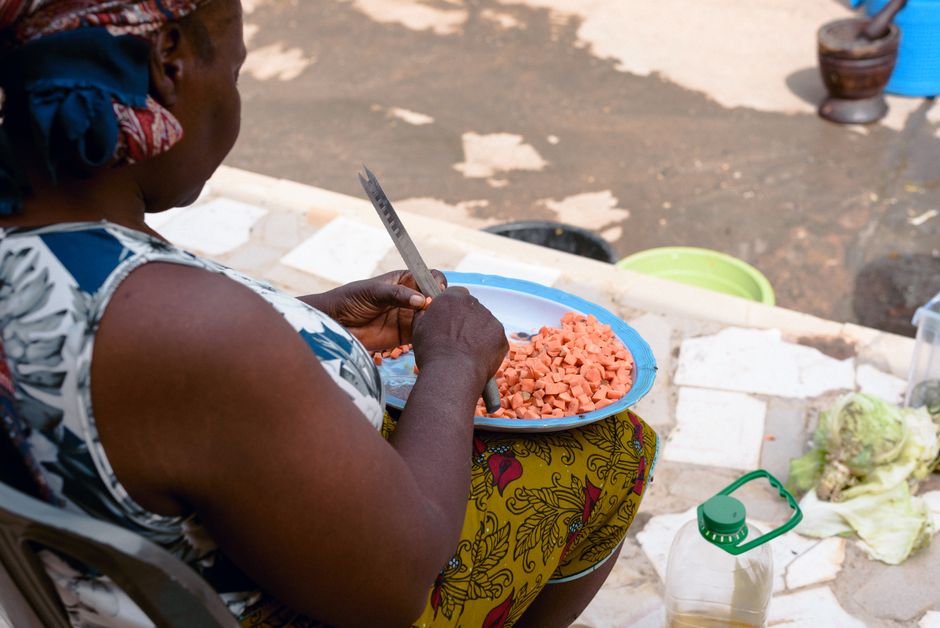
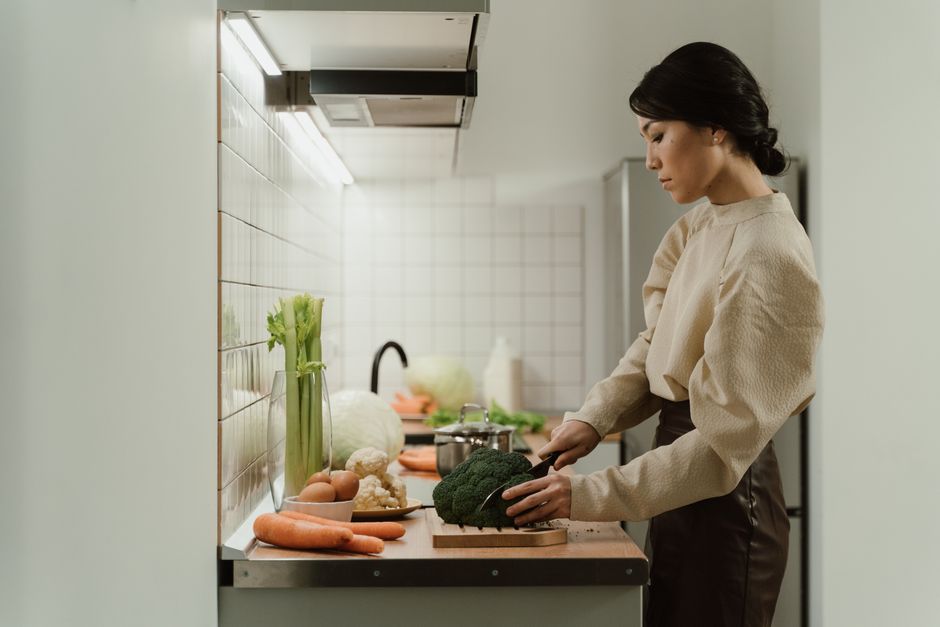
- Quality Knives: Sharp knives make chopping and prepping faster and safer.
- Measuring Cups and Spoons: These help with maintaining portion sizes and measuring ingredients accurately.
- A Slow Cooker or Instant Pot: Perfect for making bulk meals like stews or beans.
Planning Your Meals
Creating a Meal Plan
Meal planning is the cornerstone of effective meal prep. Start by deciding what meals you'll need for the week. This typically includes breakfast, lunch, dinner, and snacks.
Consider incorporating a mix of proteins, carbohydrates, and vegetables to ensure balanced nutrition. For example, a typical Nigerian meal plan might include jollof rice, moin moin, and vegetable soups.
Shopping Smart
Once your meal plan is in place, create a shopping list that focuses on your planned meals. Sticking to this list can help you avoid impulse purchases and keep your budget in check.
Shopping at local markets can also be more cost-effective and provide fresher produce compared to supermarkets. Plus, bargaining is a bonus!
Preparing Your Meals
Batch Cooking
Batch cooking is a game-changer in meal prep. Prepare large quantities of meals like soups, stews, or rice that can be easily divided into portions and stored for future use.
Consider cooking a large pot of egusi soup or okra soup, which can be easily reheated and paired with different staples like rice or yam throughout the week.
Portioning and Storing
Once your meals are cooked, portion them into your storage containers. This makes it easy to grab a ready-to-eat meal when needed.
"Proper portioning ensures that each meal is balanced and can help control calorie intake."
Label your containers with the meal's name and date of preparation to keep track of freshness. Most cooked meals can be stored in the refrigerator for up to 4 days or frozen for longer preservation.
Reaping the Benefits
Saving Time and Reducing Stress
Meal prep eliminates the daily decision-making process of 'what to eat?' and reduces time spent cooking every day.
For busy Nigerian households, this means more time for family, relaxation, or pursuing personal interests.
Improving Nutritional Intake
By planning and preparing meals, you have greater control over the ingredients, which can help improve your diet quality.
This approach allows you to incorporate more whole foods, such as vegetables and lean proteins, reducing reliance on processed foods.
Common Meal Prep Mistakes and Solutions
Avoiding Monotony
One common pitfall of meal prep is getting bored with the same meals. To avoid this, incorporate variety in your meal plans.
Experiment with different spices, sauces, and cooking methods to keep meals exciting and flavorful.
Staying Flexible
Life is unpredictable, and your meal plan should be flexible enough to accommodate changes.
Have a backup plan or quick-cook meals like stir-fried vegetables and shrimp on hand for those unexpected days.
Final Thoughts
Meal prep is not just a trend, it's a lifestyle choice that can lead to healthier eating habits, significant time savings, and financial benefits. By tailoring meal prep to incorporate Nigerian cuisine, you can enjoy the richness of your cultural dishes while enhancing your overall well-being.
Start small, perhaps by prepping just one meal a day or a few days a week, and gradually build up as you become more comfortable with the process. Remember, the goal is to make eating healthy more convenient and enjoyable, and with these tips, you're well on your way to mastering meal prep in a Nigerian context.