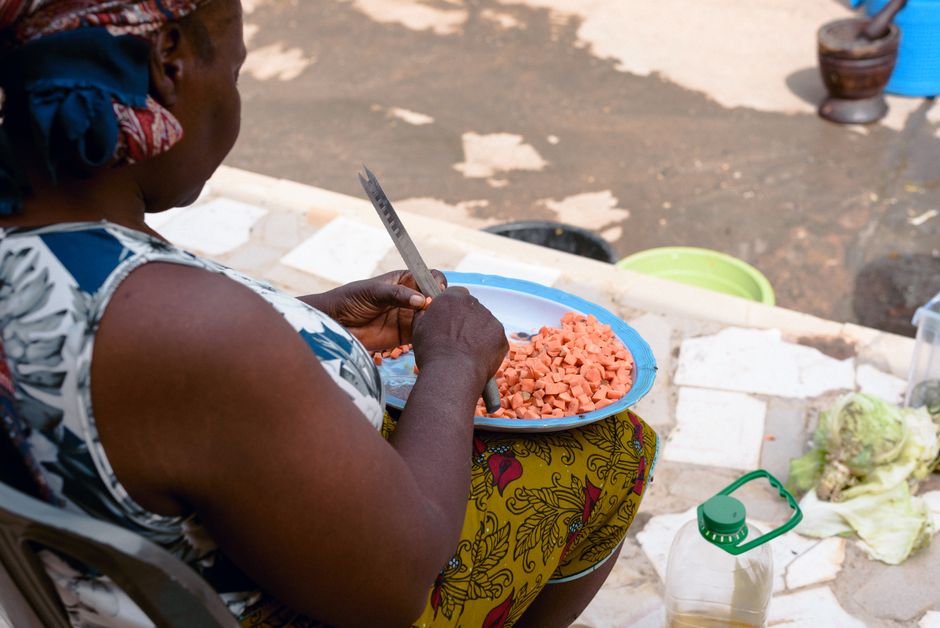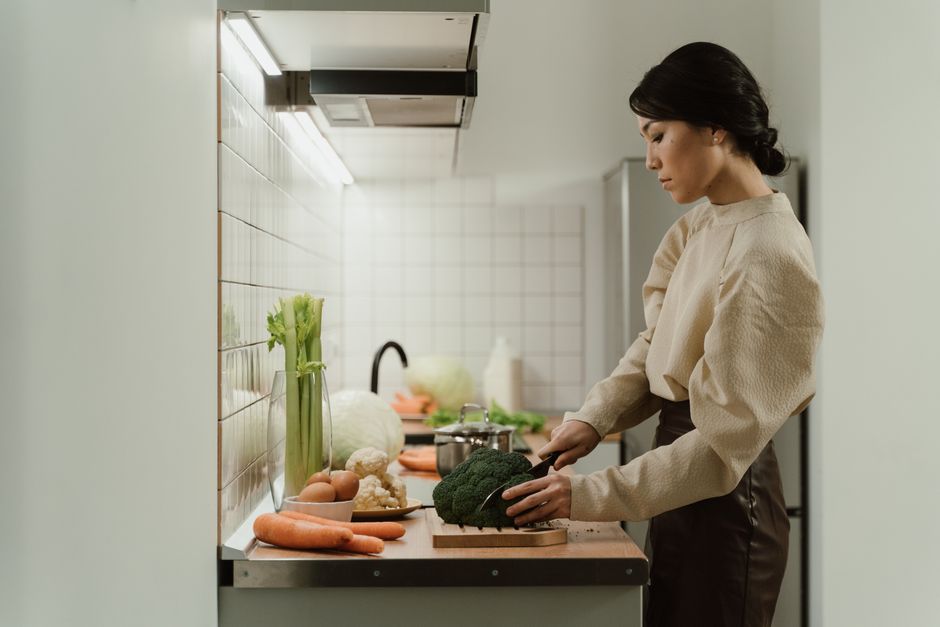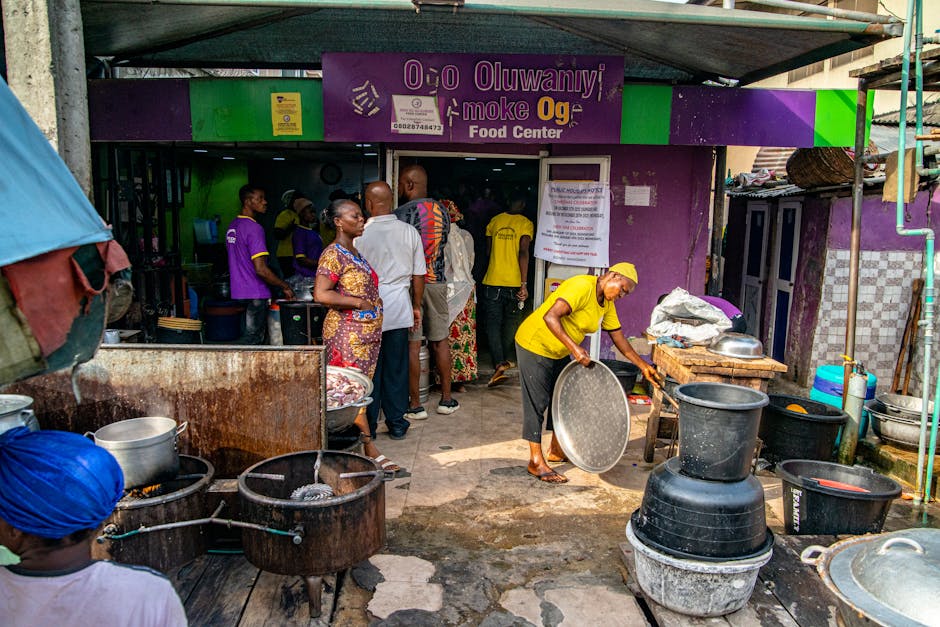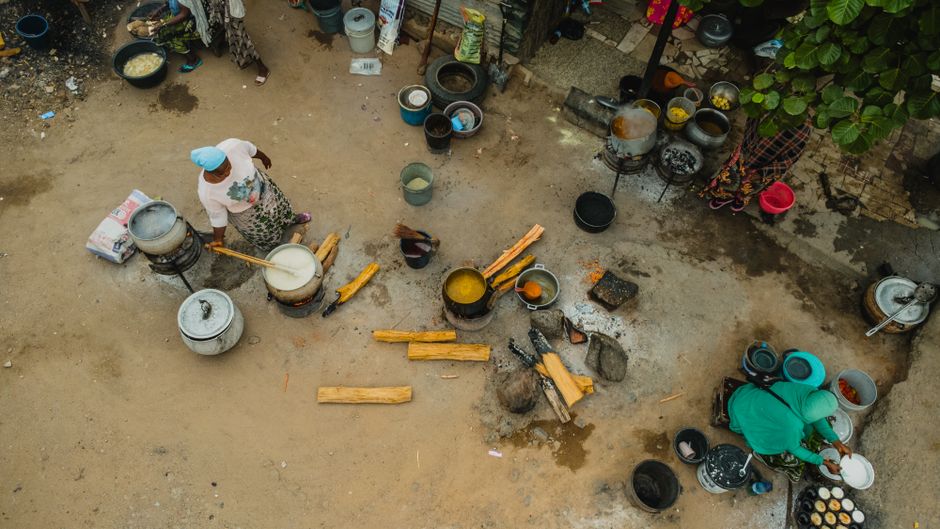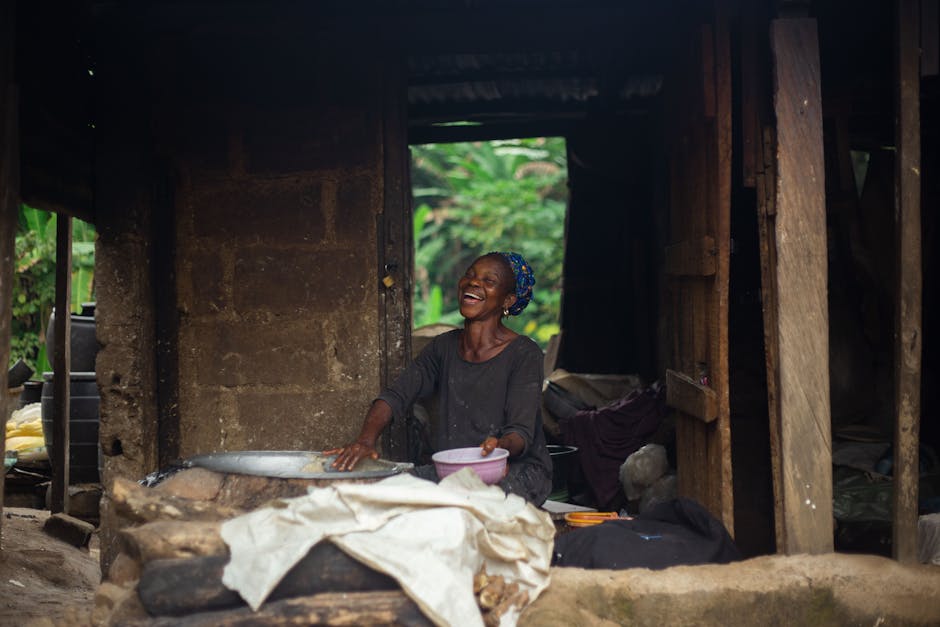
In today's fast-paced world, balancing our health goals with everyday responsibilities can be quite the juggling act. That's where meal prepping steps in as a game-changer. Imagine coming home from a long day at work and having a wholesome meal ready in minutes. Sounds like a dream, right? For Nigerian readers, meal prep isn't just about convenience—it's about infusing local flavors, staying healthy, and being budget-conscious. Let's delve into the art of meal prepping with a focus on Nigerian cuisines.
Why Meal Prep?
Meal prepping offers numerous benefits, especially for those who lead busy lives. By dedicating a few hours each week to plan and prepare meals, you can save time, reduce food waste, and ensure that you always have nutritious meals at your fingertips.
Saves Time
By preparing meals in advance, you can significantly cut down on the time spent cooking each day. This is especially beneficial during the week when you have work and other commitments.
Promotes Healthy Eating
Having healthy meals ready to go means you're less likely to opt for takeout or unhealthy snacks. You can ensure that every meal is balanced and nutritious.
Reduces Stress
Knowing that your meals are sorted for the week can alleviate the daily stress of deciding what to cook. It's one less thing to worry about!
Getting Started with Meal Prep in Nigeria
Before you dive into meal prepping, it's important to plan. This involves deciding on meals, shopping for ingredients, and setting aside time for cooking. Here are some steps to get you started:
Plan Your Meals
- Start by selecting recipes that you enjoy and are familiar with. Consider dishes like jollof rice, efo riro, and moi moi.
- Think about your weekly schedule and plan meals accordingly. If you have less time in the evenings, choose quick and easy recipes for those days.
Create a Shopping List
- Once your meals are planned, make a detailed shopping list. This will save time in the supermarket and help you avoid impulse purchases.
- Visit local markets for fresh produce, where you can find a variety of vegetables and fruits at reasonable prices.
Meal Prep Tips for Nigerian Foods
Meal prepping with Nigerian foods presents unique challenges and opportunities. Here are some tips to make the process smoother:
Batch Cooking
Prepare staple foods like rice, beans, and soups in large quantities. These can be used as a base for different meals throughout the week.
Portion Control
To avoid overeating, divide meals into individual portions. Use airtight containers to store them, ensuring they stay fresh for longer.
Freezing and Storing
- Invest in a good set of storage containers. Label each container with the date it was prepared to keep track of freshness.
- Freeze meals in individual portions. This way, you only need to defrost what you'll eat, reducing waste.
Common Mistakes to Avoid
While meal prepping can be highly beneficial, there are some common pitfalls to be aware of:
Overcomplicating Recipes
Stick to simple recipes, especially when you're starting out. Overcomplicating can lead to burnout and make the process feel overwhelming.
Lack of Variety
To avoid getting bored, incorporate a variety of dishes. Rotate different proteins, vegetables, and spices each week.
Ignoring Food Safety
Ensure all food is stored correctly. Avoid keeping cooked meals in the fridge for more than 3-4 days. Freeze anything you won't eat within this time.
Final Thoughts
Meal prepping can transform your lifestyle, making it easier to eat healthily without the hassle of daily cooking. By embracing meal prep, you're taking control of your diet and freeing up time to enjoy more of what life has to offer. Remember, start small, stay consistent, and soon you'll master the art of meal prepping in a way that perfectly suits your lifestyle and taste preferences.