In the hustle and bustle of daily life, finding time to prepare nutritious meals can often feel like a luxury. Yet, prioritizing healthy eating is crucial for maintaining energy, focus, and overall well-being. This is where meal prep comes in as a lifesaver. By dedicating a bit of time each week to plan and prepare your meals, you can enjoy homemade meals that are both healthy and delicious every day. For our Nigerian readers, incorporating local favorites into a meal prep routine can seem daunting, but it's entirely achievable with the right approach.
Whether you're a busy professional, a student, or a parent juggling multiple responsibilities, meal prep can transform your eating habits. By using a few simple strategies tailored to local ingredients and flavors, you can revolutionize your diet without sacrificing taste or variety. Let's dive into the world of meal prep with a focus on the Nigerian diet, ensuring you stay nourished and energized all week long.
Understanding Meal Prep Basics
What is Meal Prep?
Meal prep, short for meal preparation, involves planning and preparing meals in advance. This technique allows you to have ready-to-eat meals, making it easier to stick to a healthy eating plan throughout the week.
Benefits of Meal Prep
- Time Saving: By preparing meals in bulk, you save significant time during the week.
- Cost Effective: Buying ingredients in bulk and reducing food waste can lead to substantial savings.
- Healthier Choices: Having pre-prepared meals reduces the likelihood of opting for unhealthy fast-food options.
Setting Up Your Nigerian Meal Prep
Key Nigerian Staples
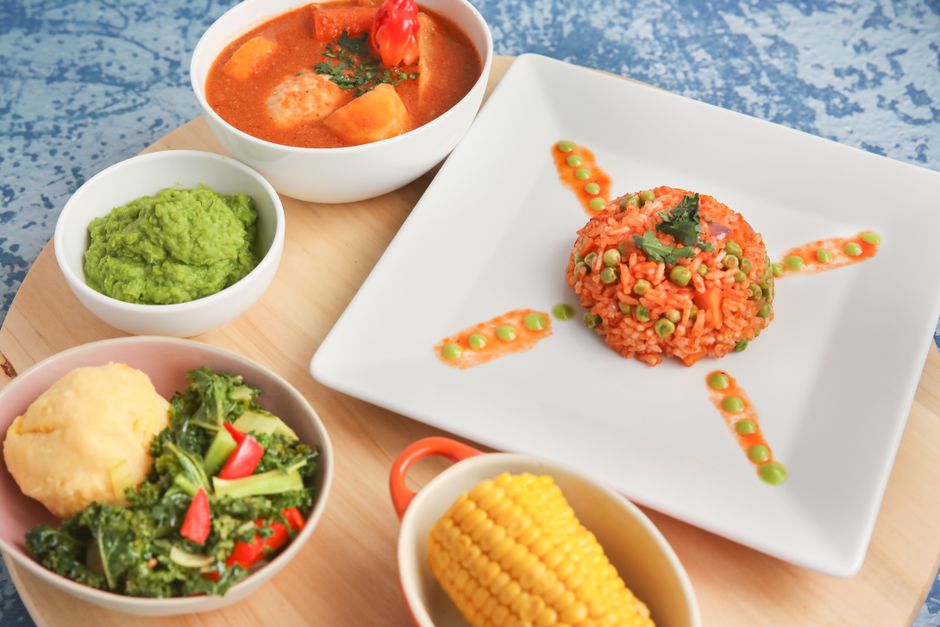
Nigerian cuisine is rich with variety, but there are some staples you can incorporate into your meal prep routine:
- Rice and Beans: A classic combination that can be prepared in different ways for variety.
- Yam: Versatile and can be boiled, fried, or pounded.
- Vegetables: Consider leafy greens like ugu, bitter leaf, and spinach.
Storage Solutions
Investing in quality storage containers is essential for maintaining the freshness of your prepped meals. Glass containers are durable and can be used for oven reheating, while BPA-free plastic containers are lightweight and portable.
Meal Prep Planning and Execution
Creating a Weekly Menu
Start with a simple menu. Include breakfast, lunch, and dinner, ensuring a balance of protein, carbohydrates, and vegetables in each meal. Incorporate a mix of traditional dishes and new recipes to keep things exciting.
Shopping and Preparation
Once you have a menu, write a shopping list. Stick to your list to avoid impulse buys. Allocate a few hours over the weekend to cook, portion, and store the meals.
"Consistency is key. By adopting meal prep, you set yourself up for success and healthier eating habits."
Overcoming Common Meal Prep Challenges
Staying Motivated
Motivation can dwindle over time. Keep things fresh by trying new recipes or swapping ingredients in your favorite dishes.
Adapting to Dietary Needs
If you have specific dietary needs or preferences, tailor your meal prep accordingly. For instance, substitute rice with quinoa for a lower-carb option.
Leveraging Nigerian Flavors
Spice It Up
Nigerian cuisine is known for its bold flavors. Incorporate spices like pepper, ginger, and garlic to enhance your meals' taste.
Traditional Sauces and Accompaniments
Include classic Nigerian sauces like tomato stew or efo riro in your prep for a burst of authentic taste.
Final Thoughts
Embracing meal prep within the context of a Nigerian diet is both practical and rewarding. By planning ahead and incorporating local ingredients, you can enjoy a diverse and healthy diet while saving time and money. Whether you're new to meal prep or looking to refine your approach, the strategies outlined here offer a solid foundation for success. Remember, the key is consistency and creativity—two ingredients that can make your meal prep journey both enjoyable and sustainable.