Meal prepping can be a game-changer for anyone looking to eat healthier, save time, and reduce stress during the week. For Nigerians, it involves a delightful fusion of local flavors and ingredients. Imagine having your Egusi soup, Jollof rice, or even freshly made Akara ready in no time, all week long. This guide will explore how you can optimize your meal prep routine using Nigerian cuisine, ensuring every dish is a delight for your taste buds and your wallet.
Whether you're a busy professional in Lagos or managing a bustling family home in Abuja, meal prepping offers a practical solution to daily cooking dilemmas. By dedicating just a few hours each week, you can enjoy nutritious meals without the hassle of daily cooking. Let's delve into some effective strategies and tips specifically tailored for the Nigerian diet.
Understanding the Basics of Meal Prep
What is Meal Prep?
Meal prep is the process of planning and preparing meals in advance. This could mean cooking entire meals to store in the fridge or freezer or simply prepping ingredients ahead of time. It's all about making life easier, more organized, and ensuring you always have a healthy option on hand.
Benefits of Meal Prep
- Time-saving: Spend less time in the kitchen during busy weekdays.
- Cost-effective: Buying in bulk and reducing food waste saves money.
- Healthier eating: Control portions and ingredients to maintain a balanced diet.
- Stress reduction: Eliminate daily decision-making stress about what to eat.
“Meal prep is not just about saving time and money, it's about building a healthier, more balanced lifestyle.”
Essential Tools for Nigerian Meal Prep
Basic Kitchen Equipment
- Sharp Knives: A good set of knives is crucial for efficiency.
- Storage Containers: Invest in various sizes to store your meals.
- Blenders and Food Processors: Ideal for making smoothies, grinding spices, or preparing soup bases.
- Cooking Pots and Pans: Essential for preparing large meals.
Must-Have Ingredients
- Rice and Grains: Staple foods like Jollof rice or ofada rice are perfect for meal prep.
- Proteins: Think chicken, fish, and beans. They are versatile and nutritious.
- Vegetables: Local favorites like spinach (efo), pumpkin leaves, and okra.
- Spices: Curry, thyme, and pepper to give your meals that signature Nigerian taste.
Step-by-Step Nigerian Meal Prep Guide
Planning Your Meals
Start by deciding what meals you'll have for the week. Consider breakfasts, lunches, dinners, and snacks. Choose recipes that use similar ingredients to save time and money.
Prepping Ingredients
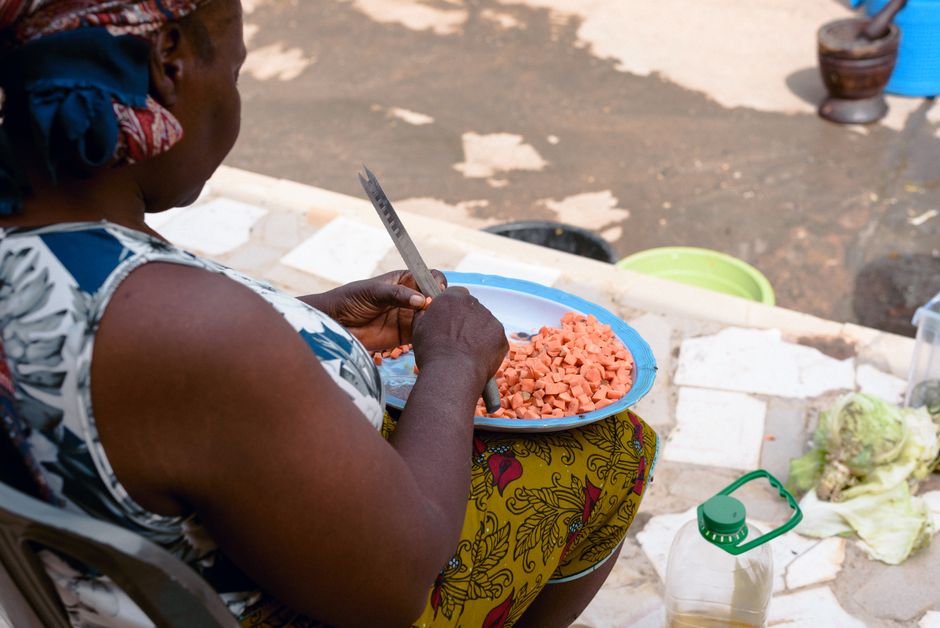
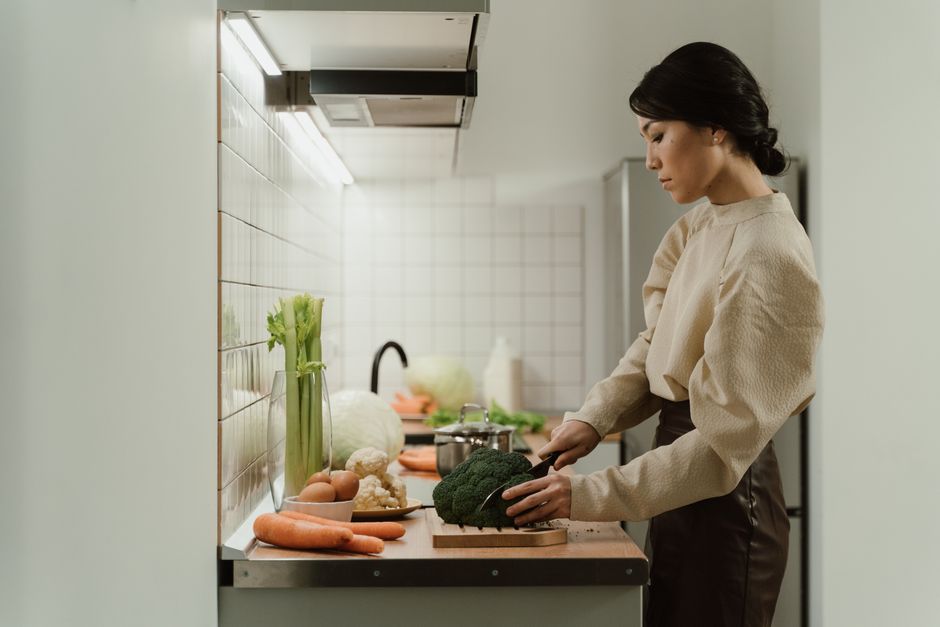
Wash, chop, and portion out your ingredients. For instance, dice onions and tomatoes in advance for stews. Store them in airtight containers to maintain freshness.
Cooking and Storing
Cook your meals according to your plan. Allow them to cool before dividing them into portions. Label containers with the meal name and date to keep track of freshness.
“Investing in reusable containers not only helps the environment, but it also keeps your meals fresh and delicious.”
Overcoming Common Meal Prep Challenges
Storage Issues
If space is a problem, prioritize meals that can be stored flat or stacked, like soups and stews.
Keeping Meals Interesting
- Rotate recipes weekly to avoid monotony.
- Experiment with spices and herbs to keep flavors exciting.
- Mix and match different meal components throughout the week.
Final Thoughts
Mastering meal prep can revolutionize your approach to cooking and eating, especially with the flair of Nigerian cuisine. By integrating local ingredients and flavors, you're not only preserving cultural dishes but also ensuring nutritional satisfaction. Meal prepping is a skill that gets easier with practice, and the rewards are a healthier, more organized lifestyle. Remember, consistency is key, and soon, you'll wonder how you ever managed without it.