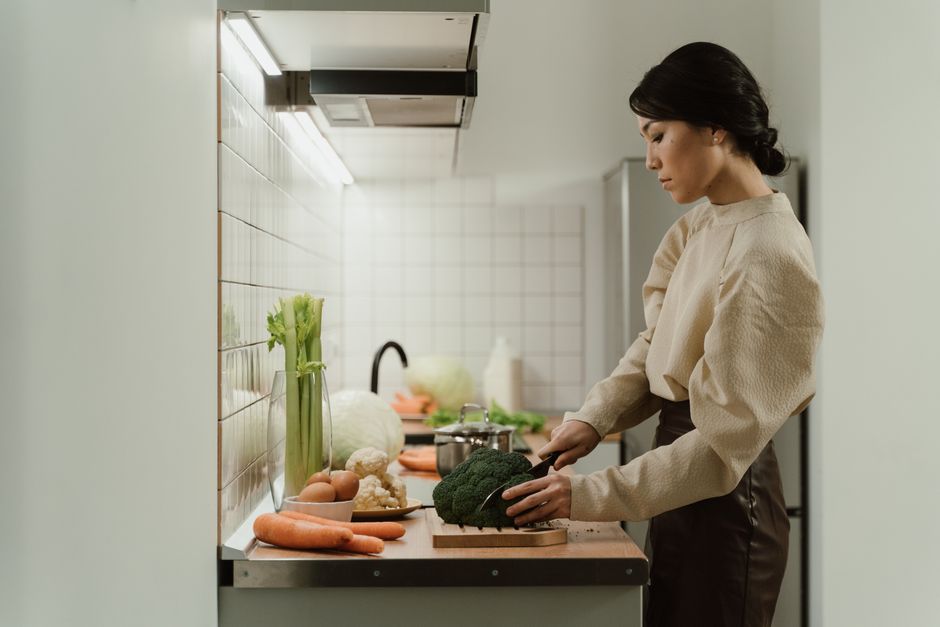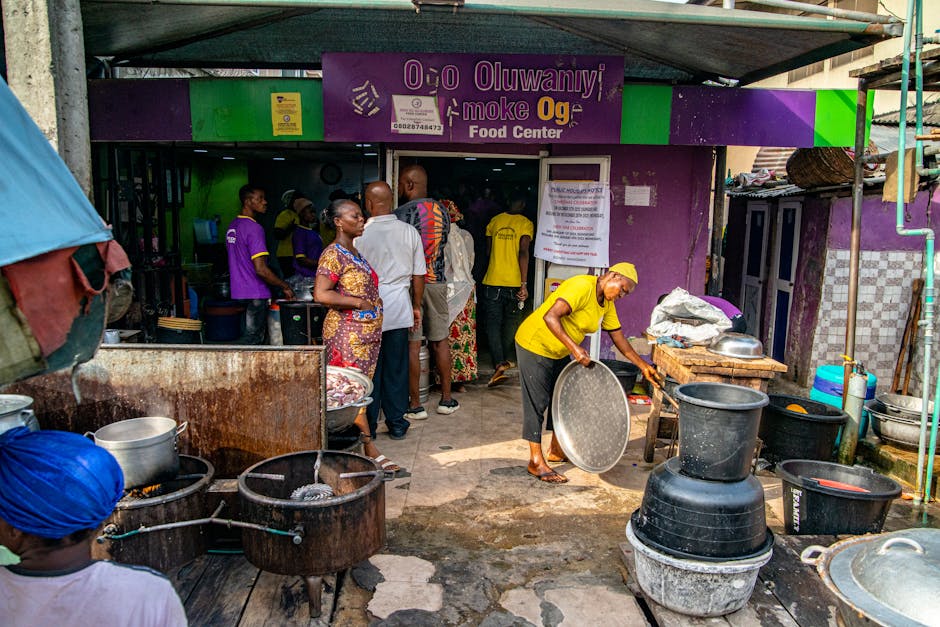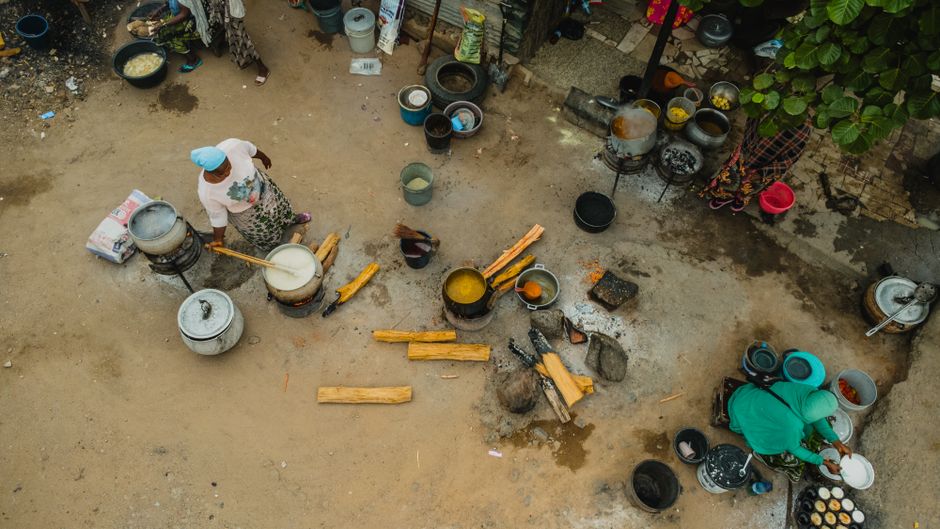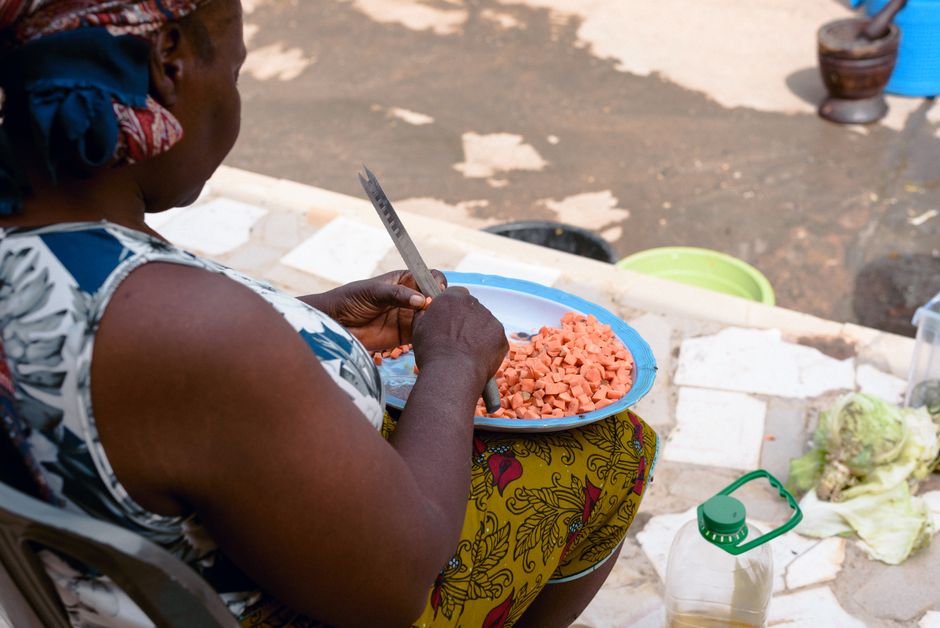
In today's fast-paced world, balancing a busy schedule while ensuring you maintain a healthy diet can feel like an overwhelming task. For many Nigerians, the hustle and bustle of daily life, coupled with the rich tapestry of traditional cuisine, often lead to a reliance on quick, less nutritious meals. But what if I told you there's a way to enjoy delicious, home-cooked meals without the stress? Enter meal prep – an approach that can revolutionize your kitchen experience and help you stay on top of your nutritional goals.
Meal prep isn't just a trend; it's a practical tool that can save you time, reduce food waste, and keep your taste buds excited with a variety of Nigerian dishes. From the vibrant markets of Lagos to the serene villages across the country, meal prepping can be adapted to fit any lifestyle. Whether you're a student, a busy parent, or someone looking to eat healthier, this guide is for you.
Understanding the Basics of Meal Prep
What is Meal Prep?
Meal prep involves preparing whole meals or dishes ahead of schedule. It typically entails cooking your meals in advance, packaging them into portions, and storing them safely for later consumption. This method not only saves time but also ensures you have control over the ingredients and portions.
Benefits of Meal Prep
- Time Efficiency: Spend less time daily in the kitchen.
- Cost Savings: Buy in bulk and reduce dining out expenses.
- Nutrition Control: Monitor ingredients and portion sizes.
- Reduced Food Waste: Plan meals and utilize all ingredients.
Getting Started with Meal Prep
Plan Your Meals
Begin by planning your meals for the week. Consider your nutritional needs, preferences, and budget. Incorporate a mix of traditional Nigerian meals like Jollof rice, egusi soup, and plantain to keep your diet exciting.
"A little planning goes a long way. Map out meals that cater to your family's taste and nutritional needs."
Shopping Tips
Once you've planned your meals, make a comprehensive shopping list. This helps avoid impulse buys and ensures you have everything you need. Focus on fresh produce, grains, and protein sources commonly found in Nigerian markets.
Setting Up Your Prep Station
To make meal prep efficient, set up a dedicated station in your kitchen. Ensure you have all your utensils, containers, and ingredients ready. A well-organized prep station can significantly reduce the time spent on cooking.
Effective Meal Prep Techniques
Batch Cooking
Batch cooking is the process of preparing large quantities of certain dishes that can be stored and consumed over time. Soups, stews, and grains like rice are perfect for batch cooking.
Portioning and Storing
Once cooked, portion your meals into individual servings. Use airtight containers to keep your meals fresh. Label them with dates to ensure you're consuming them at their best quality.
"Proper storage is key. Invest in good-quality containers that preserve freshness and flavor."
Incorporating Variety
A key to successful meal prep is variety. Rotate different Nigerian dishes to keep your meals exciting. Experiment with spices and ingredients to discover new flavors.
Overcoming Common Meal Prep Challenges
Time Constraints
Finding time to meal prep can be challenging. Dedicate a specific day and time each week to focus solely on meal prep. Consider involving family members to make it a fun, collaborative activity.
Space Limitations
If space is a concern, opt for stackable containers that maximize kitchen storage. Regularly declutter your fridge and pantry to make room for your prepared meals.
Sticking to the Plan
Maintaining consistency can be tough. Keep your meal prep plan visible in the kitchen as a reminder. Set realistic goals and celebrate small victories to stay motivated.
Conclusion
Embracing meal prep can be the key to a healthier, more organized lifestyle. As you embark on this journey, remember that it's a learning process. Start small, build up your skills, and adapt the practice to suit your unique tastes and needs. With meal prep, you're not just saving time and money; you're investing in your well-being and embracing the rich culinary heritage of Nigeria.