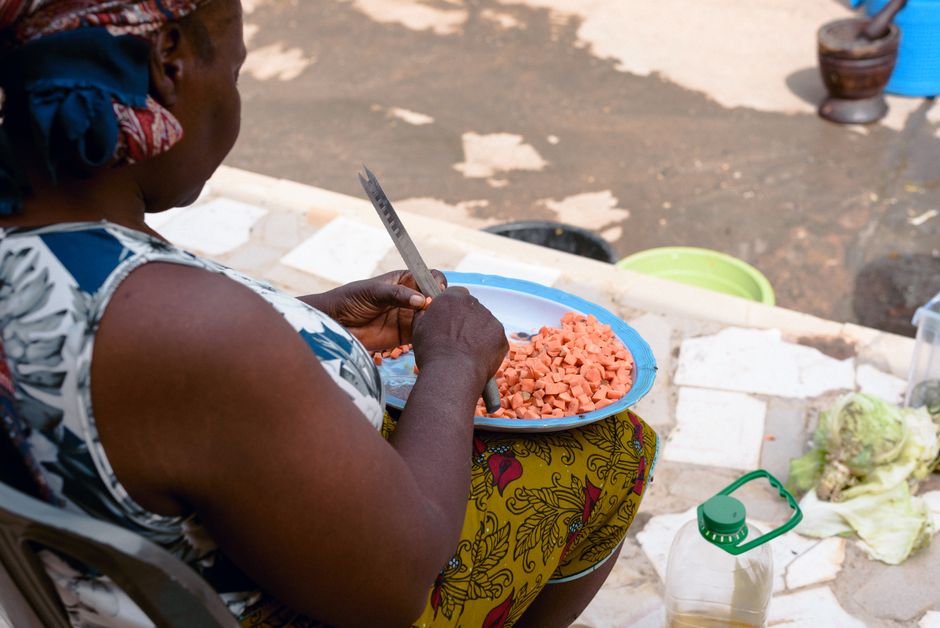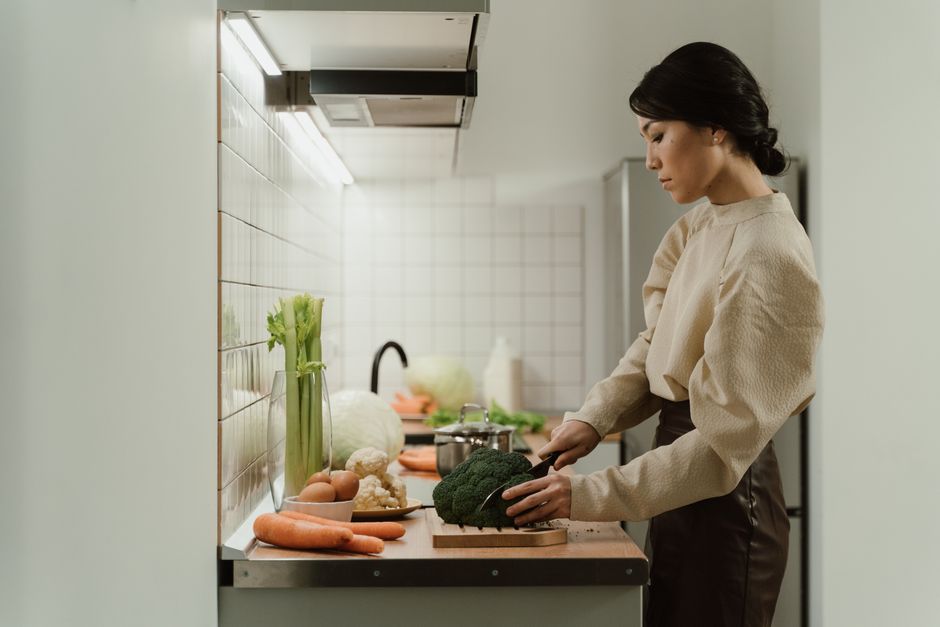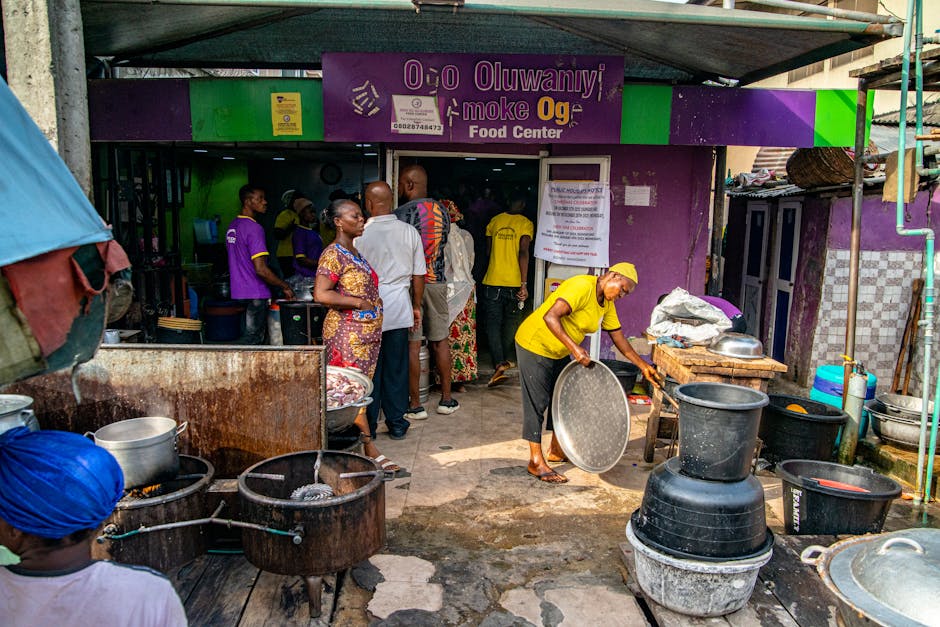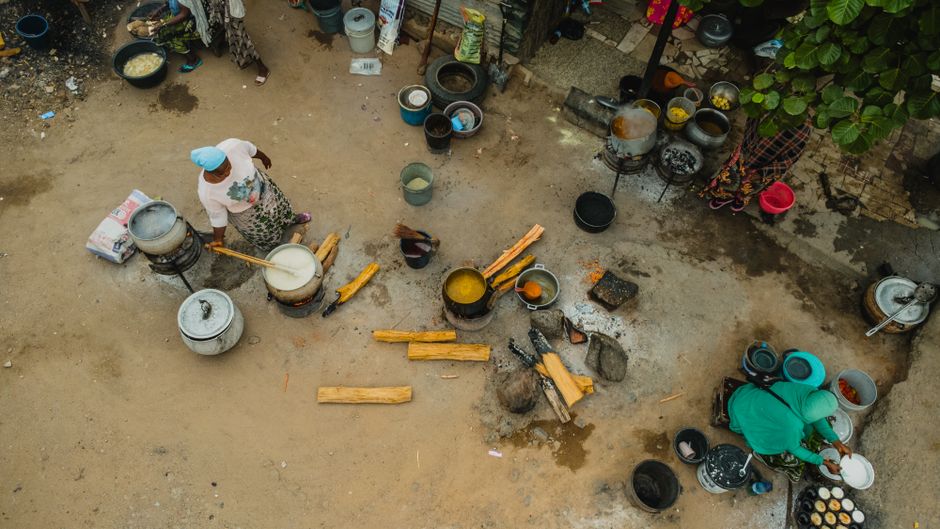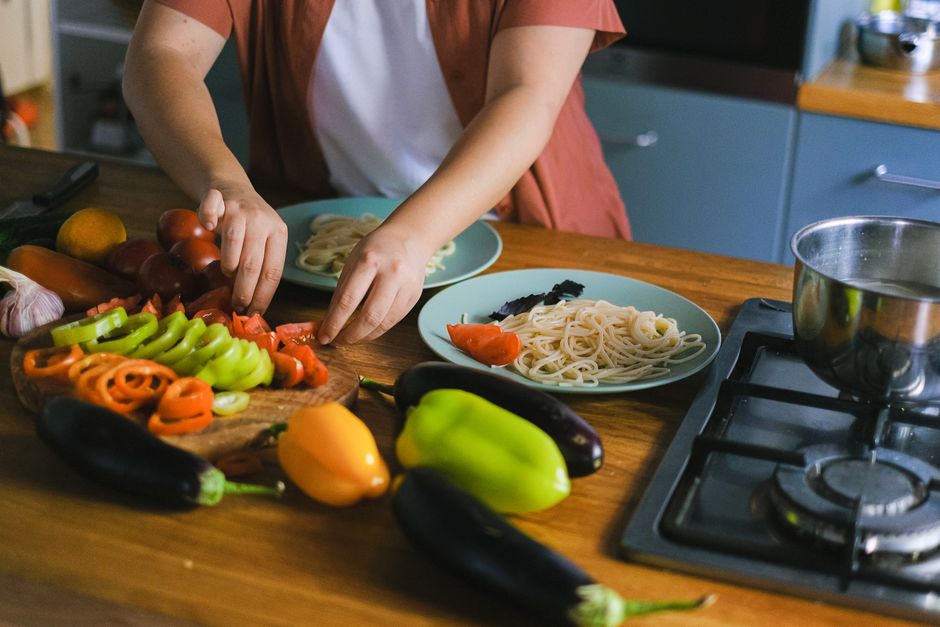
In our fast-paced world, finding time to prepare healthy meals can be a daunting task. For Nigerians, with our rich culinary heritage, the challenge is not just in cooking, but in balancing traditional flavors with modern health needs. Enter the art of meal prep—a lifesaver for anyone looking to maintain a nutritious diet without spending hours in the kitchen daily.
Meal prep is more than just a trend; it's a practical approach to ensure you and your family eat healthy, even on the busiest days. In this guide, we'll dive into the essentials of meal prepping within the Nigerian context, offering tips and tricks to make your diet both delicious and efficient.
Understanding Meal Prep
Meal prep involves planning and preparing meals ahead of time, usually for a week. This strategy not only saves time and money but also helps maintain a balanced diet.
The Benefits of Meal Prep
- Time-Saving: Spend less time cooking daily by preparing meals in bulk.
- Cost-Effective: Buying ingredients in bulk often reduces overall costs.
- Portion Control: Helps in managing portion sizes and avoiding overeating.
- Consistency: Ensures a steady intake of nutrients crucial for health.
"Meal prep is not just about saving time—it's about ensuring that every meal you eat is a step towards a healthier you."
Common Misconceptions
Many believe meal prep is only for fitness enthusiasts or that it results in boring meals. In reality, meal prep is for anyone aiming for a healthier lifestyle, and with the right recipes, your meals can be as exciting as they are nutritious.
Planning Your Nigerian Meal Prep
Choosing the Right Ingredients
Opt for locally sourced ingredients like yams, plantains, vegetables, and lean meats. Not only are these healthier, but they also support local farmers and are often more affordable.
Balancing Traditional and Modern
While traditional Nigerian dishes are delicious, incorporating modern health trends like quinoa or kale can add nutritional value. Balance is key.
Creating a Weekly Menu
Plan a diverse menu that includes a mix of proteins, vegetables, and carbohydrates. Think of dishes like Jollof rice with grilled chicken or vegetable soup with yam fufu.
Preparing Your Meals
Batch Cooking Techniques
Cook in batches to maximize efficiency. For example, boil your beans, prepare your sauces, and grill your proteins all at once.
Storage Solutions
- Use Airtight Containers: These keep your meals fresh for longer.
- Label Everything: Clearly mark containers with contents and preparation dates.
- Freeze Properly: Ensure meals are cooled before freezing to maintain texture and taste.
Reheating Tips
Reheat meals thoroughly, ensuring they're hot throughout. Adding a splash of water can rejuvenate rice or stews.
Integrating Meal Prep into Your Lifestyle
Staying Motivated
Set specific health goals to keep you on track. Whether it's weight loss or more energy, let these objectives guide your meal choices.
Involving Family
Get the family involved in meal prep. Not only does it split the workload, but it also introduces children to healthy eating habits early on.
Adapting to Challenges
Life can be unpredictable. Have quick meal options like salads or smoothies that require minimal prep for those hectic days.
Conclusion
Mastering meal prep can transform how you approach your diet, making healthy eating a seamless part of your everyday life. By integrating meal prep into your routine, you can enjoy the rich flavors of Nigerian cuisine while ensuring that your nutritional needs are met. Whether you’re a busy professional or a stay-at-home parent, the benefits of meal prep are universal. It's about creating a sustainable eating plan that fits your lifestyle, supports your health, and respects the cultural richness of Nigerian food traditions.
So why not start today? Gather your favorite family recipes, hit the market, and start prepping for a healthier tomorrow!