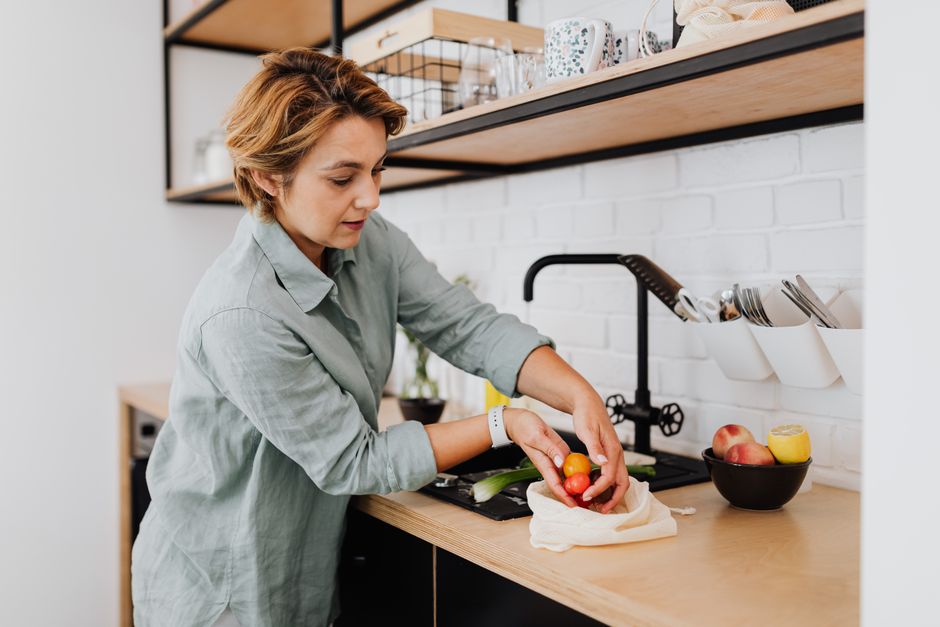
In today's fast-paced world, maintaining a healthy diet can be a daunting task, especially in a vibrant and bustling country like Nigeria. With busy schedules, long commutes, and the ever-present temptation of fast food, it’s easy to see why many struggle to eat healthily. However, meal prepping can be a game-changer, offering a practical solution to this challenge. By dedicating a few hours a week to preparing your meals in advance, you not only save time and money but also ensure that you always have a nutritious option at your fingertips.
Meal prep might seem like an overwhelming concept at first, but with the right strategies and a bit of planning, it becomes a seamless part of your routine. Whether you're a student trying to balance studies and nutrition, a professional juggling work and family life, or anyone in between, meal prep can be tailored to fit your lifestyle and dietary preferences.
This guide is here to walk you through the essentials of meal prepping, specifically tailored to the Nigerian palate. From choosing the right ingredients at your local market to storing your meals safely, we'll cover everything you need to know to make meal prep work for you.
Understanding Meal Prep Basics
What is Meal Prep?
Meal prep, or meal preparation, involves planning and preparing meals in advance, typically for a week. It allows you to control portion sizes, maintain dietary goals, and reduce food waste.
In Nigeria, where traditional dishes often take time to prepare, meal prep can be particularly beneficial. By cooking in bulk, you can enjoy beloved dishes like jollof rice and egusi soup without needing to cook from scratch every day.
Benefits of Meal Prepping in Nigeria
- Time-Saving: Preparing meals in advance means less time spent cooking during the week.
- Cost-Effective: Buying ingredients in bulk can reduce overall food costs.
- Healthier Eating: With pre-planned meals, you're less likely to opt for unhealthy fast foods.
- Less Stress: Knowing your meals are ready reduces daily decision-making.
"Meal prep is not just a diet; it's a lifestyle change that empowers you to prioritize health and efficiency."
Getting Started with Meal Prep
Planning Your Meals
The first step in successful meal prep is effective planning. Consider these tips:
- Set a Goal: Whether it's weight loss, muscle gain, or maintaining a healthy diet, know your objectives.
- Create a Menu: Plan a variety of meals that meet your nutritional needs and include your favorite Nigerian dishes.
- Shopping List: Write down everything you need to avoid multiple trips to the market.
Choosing Ingredients
Utilize fresh, seasonal produce and staples like rice, beans, and plantains. Always aim for a balance of carbohydrates, proteins, and fats.
Visit local markets for fresh vegetables such as ugwu (fluted pumpkin leaves) and tomatoes, which are essential for many Nigerian dishes.
Meal Prep Techniques
Batch Cooking
Batch cooking is the foundation of meal prep. This involves cooking large quantities of food that can be divided into portions for the week.
- Cook in Bulk: Prepare large pots of jollof rice or beans that can be portioned out.
- Use Versatile Ingredients: Ingredients like grilled chicken can be used in various meals from salads to stews.
Proper Storage
Knowing how to store food is crucial to meal prep success. Invest in quality containers to keep your meals fresh and safe.
- Label and Date: Always label containers with contents and the date they were prepared.
- Refrigeration and Freezing: Understand which meals can be refrigerated and which should be frozen for later use.
Nigerian Meal Prep Recipes
Breakfast Options
- Oatmeal with Fruits: Prepare a large batch of oatmeal and store it in individual portions, adding fruits like bananas or apples before serving.
- Akara (Bean Cakes): Prepare and freeze batter for quick frying in the morning.
Lunch and Dinner Ideas
- Jollof Rice: A staple that can be made in bulk, perfect for freezing or refrigerating.
- Egusi Soup: Cook a large pot, divide into portions, and serve with eba or pounded yam as needed.
Snack Prep
- Moin Moin (Steamed Bean Pudding): These can be pre-cooked and served as a snack or side dish.
- Plantain Chips: Homemade plantain chips can be a healthier alternative to store-bought snacks.
Handling Challenges
Adapting to a Busy Schedule
If your schedule doesn’t allow for a dedicated meal prep day, consider these strategies:
- Split Tasks: Chop vegetables one day and cook the next.
- Utilize Freezer Meals: Prepare meals that can be easily frozen and reheated.
Dealing with Limited Resources
For those with limited kitchen space or resources, consider simpler recipes and invest in multipurpose cooking tools.
Conclusion
Mastering meal prep is a journey that can significantly enhance your lifestyle, making healthy eating accessible and stress-free. By planning, preparing, and storing your meals effectively, you can enjoy the rich flavors of Nigerian cuisine without compromising on nutrition or convenience. Whether you're just starting or looking to optimize your meal prep routine, remember that the key is consistency and flexibility. Adjust as necessary, and soon you’ll find that meal prep is not just a habit, but a cherished part of your weekly ritual.