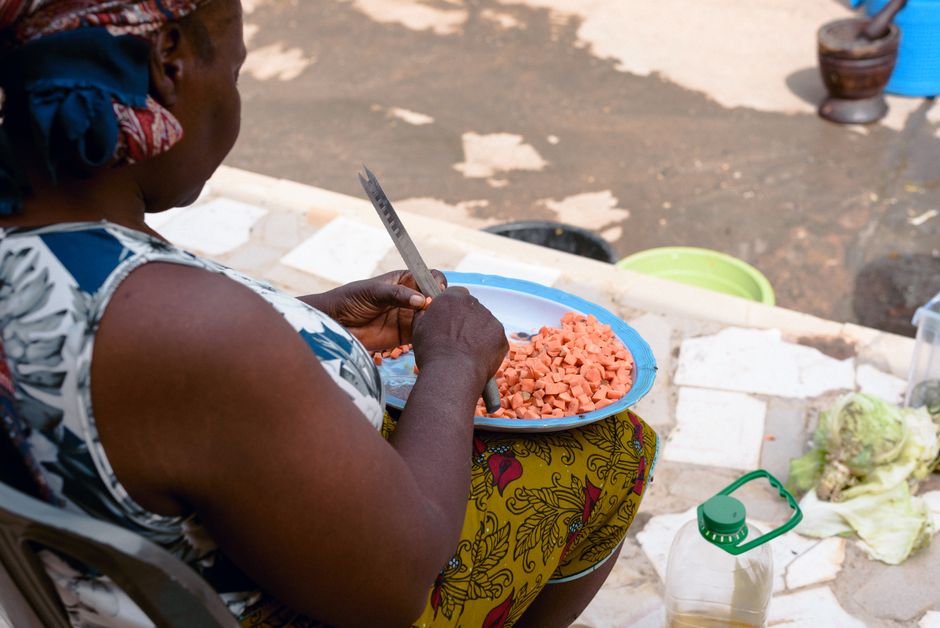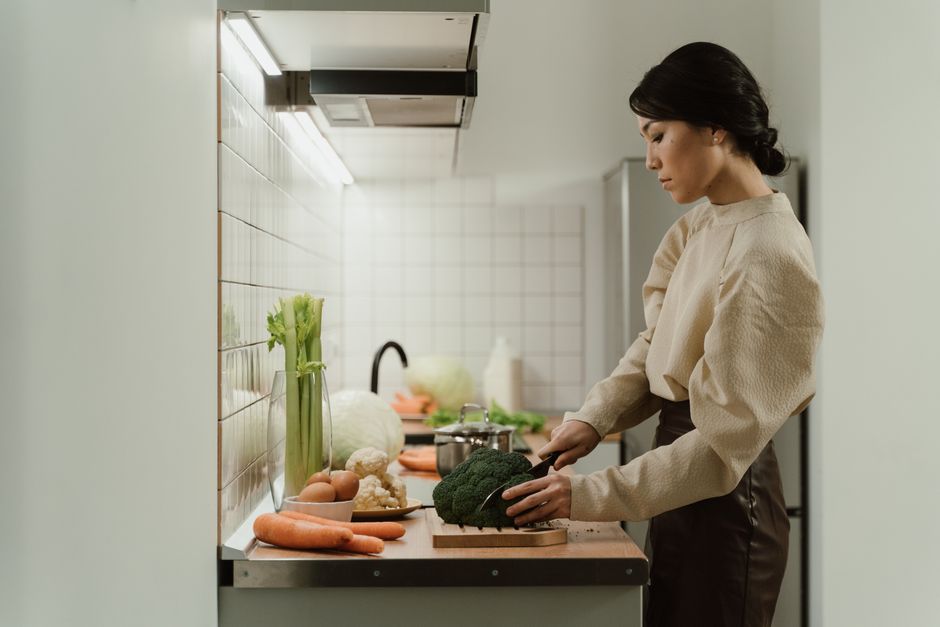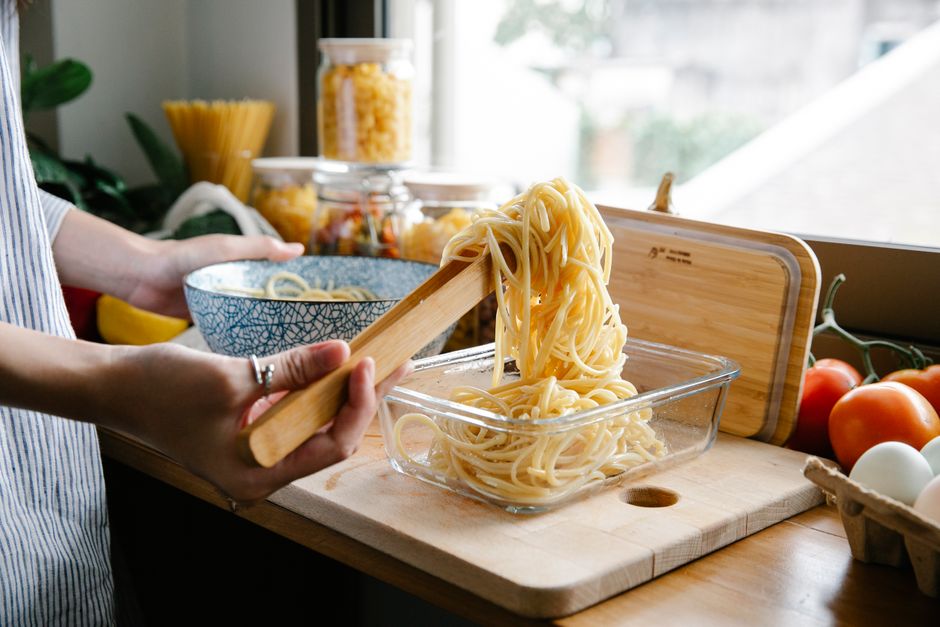
Meal prepping has become a lifesaver for those leading busy lives, especially in Nigeria where juggling work, family, and personal commitments can be particularly demanding. The practice of preparing meals ahead of time helps ensure that nutritious and delicious food is always within reach, saving both time and stress. Imagine coming home after a long day and having a ready-to-eat, home-cooked meal just waiting for you. Sounds like a dream, right? Let’s turn it into reality.
Whether you're a seasoned cook or a kitchen novice, mastering meal prep can make your life easier and healthier. This guide will walk you through the basics of meal prepping, focusing on practical tips and strategies to suit Nigerian tastes and kitchens. From selecting your recipes to storing your meals safely, we’ve got you covered.
Understanding the Basics of Meal Prep
What is Meal Prep?
Meal prep, short for meal preparation, involves preparing whole meals or dishes in advance. It’s a strategy often employed to save time and ensure healthier eating habits. In Nigeria, meal prep can be particularly beneficial given the diverse and often time-consuming cooking methods involved in our traditional dishes.
Why Meal Prep?
- Time-saving: Spend a few hours on the weekend prepping, and save hours during the week.
- Cost-effective: Buying ingredients in bulk for meal prep can significantly reduce food expenses.
- Healthier choices: Having meals prepared ensures you have healthier options readily available, reducing the temptation to opt for fast food.
- Stress reduction: Knowing that your meals are sorted for the week can alleviate daily stress.
Step-by-Step Guide to Nigerian Meal Prep
Choose Your Recipes
Start with simple and familiar recipes. Nigerian dishes like Jollof rice, Egusi soup, and Moi Moi are perfect for meal prep as they store well and can be easily portioned. Consider your family's preferences and dietary needs when selecting recipes.
Create a Meal Prep Plan
Planning is crucial. Determine how many meals you need for the week and the servings per meal. Create a shopping list based on your recipes, ensuring you have all the ingredients for a successful meal prep session.
Shop Smart
Visit local markets for fresh ingredients. Buying in bulk not only helps save money but also ensures you have enough for the week. Look for deals on items like rice, beans, and vegetables, which are staples in Nigerian cuisine.
Efficient Meal Preparation Techniques
Batch Cooking
Batch cooking refers to making large quantities of a particular dish, then portioning it out for future meals. Dishes like Stewed Beans or Efo Riro are excellent for this method, allowing you to make once and eat multiple times.
Utilizing Kitchen Gadgets
- Pressure Cooker: Speeds up the cooking process for beans and tough meats.
- Blender: Essential for making smooth pastes for soups and sauces.
- Freezer: Keeps your meals fresh for longer periods.
Storing Your Prepared Meals
Proper Packaging
Invest in good quality containers that are airtight and microwave safe. This helps in maintaining the freshness and nutritional value of your food.
Labeling and Rotation
Label your containers with the date of preparation to keep track of freshness. Practice the 'first in, first out' method to ensure meals are consumed in a timely manner.
Freezing Techniques
For meals that will not be consumed within a few days, freezing is the best option. Ensure your meals cool down before freezing to maintain texture and flavor.
"Proper storage is key to successful meal prep. Always prioritize keeping your meals fresh to enjoy their full nutritional benefits."
Overcoming Common Meal Prep Challenges
Time Management
One common hurdle is finding enough time for meal prep. Break down tasks over several days if necessary, such as shopping on one day and cooking on another.
Variety and Boredom
Eating the same meals repeatedly can get boring. To combat this, rotate your recipes weekly and use different spices and herbs to keep flavors exciting.
Storage Space
Limited kitchen storage can be challenging. Optimize your space by using stackable containers and prioritizing freezer-friendly meals.
Conclusion
Meal prepping is a valuable skill that can transform your weekly routine, especially in the context of Nigerian cuisine. It empowers you to make healthier choices, save time, and explore culinary creativity without the daily stress of cooking. By following the steps and tips outlined in this guide, you can become proficient at meal prep, allowing you more time to enjoy the vibrant, flavorful dishes that define Nigerian culture.