In today's fast-paced world, maintaining a healthy diet often takes a backseat to convenience and time constraints. For many Nigerians, the idea of meal prepping might seem daunting, but it is a highly effective way to ensure you eat well, save time, and reduce food wastage. Whether you're a busy professional, a student, or a homemaker, mastering the art of Nigerian meal prep can transform your approach to healthy eating.
Meal prep isn't just about cooking in bulk; it's a strategic way to ensure a balanced diet filled with nutrients essential for your body's wellbeing. From jollof rice to egusi soup, integrating traditional Nigerian dishes into your weekly meal prep can make healthy eating both enjoyable and familiar.
Let's dive into practical strategies and tips for successful Nigerian meal prep that will leave you feeling nourished and satisfied, no matter how busy your schedule becomes.
The Benefits of Nigerian Meal Prep
Time-Saving Solutions
One of the most significant advantages of meal prepping is the time you save. By dedicating a few hours weekly to preparing your meals, you eliminate the daily decision-making process of 'what's for dinner?' This means less time spent in the kitchen throughout the week and more time to focus on other important activities.
Cost-Effective Eating
Meal prepping can significantly cut down your grocery bills. When you plan your meals, you're more likely to stick to a budget, avoid impulse buys, and reduce food wastage. Cooking in bulk often requires fewer ingredients, ensuring you get the most out of every naira spent.
Promoting Healthy Eating
With meal prep, you control what goes into your meals, making it easier to incorporate balanced nutrition. By including a variety of proteins, carbohydrates, and vegetables, you're more likely to meet your dietary needs and achieve health goals like weight loss or muscle gain.
"Meal prep allows you to stick to a healthy diet and avoid unhealthy takeout options."
Getting Started with Nigerian Meal Prep
Essential Tools and Equipment
- Good quality storage containers for portion control and freshness.
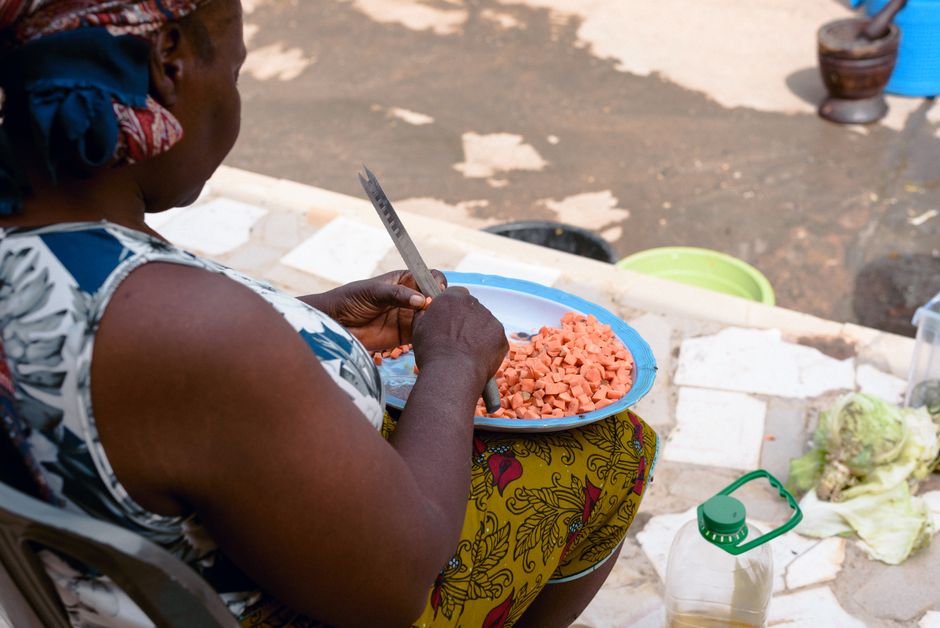
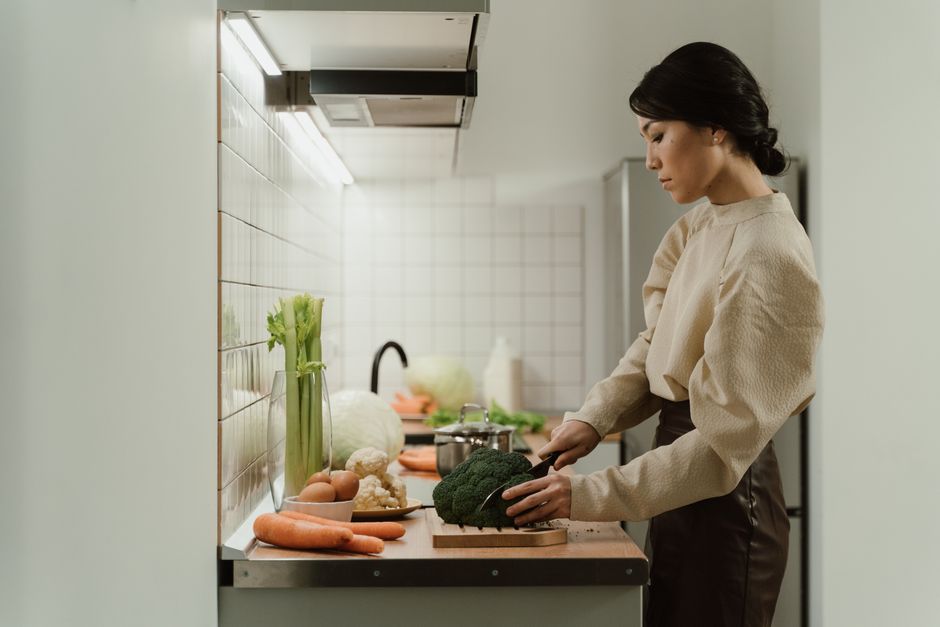
- A sharp knife and cutting board for easy meal preparation.
- A slow cooker or pressure cooker for efficient cooking.
- Measuring cups and spoons to ensure accurate portions.
Choosing the Right Ingredients
Start with staple Nigerian ingredients that provide a nutritional punch. Think of options like beans, plantains, sweet potatoes, and leafy greens. These can serve as the base for various meals, easily customizable to your taste.
Planning Your Meals
Consider the range of traditional Nigerian dishes you enjoy and how they can be integrated into a meal prep plan. Create a weekly menu that includes a mix of proteins, grains, and vegetables. This variety will not only keep your palate excited but also ensure a well-rounded diet.
Nigerian Meal Prep Tips and Tricks
Batch Cooking Techniques
Batch cooking is the cornerstone of meal prep. Prepare large quantities of a few staple items like rice, beans, and soups that can be easily portioned out and stored for the week.
Storage and Organization
Proper storage is crucial to ensure your meals stay fresh throughout the week. Use airtight containers to store your food, and label them with dates to keep track of freshness.
Incorporating Variety
To avoid boredom, mix and match your meals. Use different spices and sauces to give the same base ingredients a unique taste each day. For instance, a simple pepper sauce can transform your jollof rice into a spicy delight.
Making Meal Prep a Family Affair
Involve your family in meal prep activities. Not only does it make the process more enjoyable, but it also encourages everyone to appreciate the effort involved in healthy eating. Children, for example, can help with washing and arranging ingredients.
Sample Nigerian Meal Prep Plan
Breakfast Options
Prepare breakfast options like akara (bean cakes) or moi moi (steamed bean pudding) in advance. Pair with oatmeal or pap for variation.
Lunch and Dinner Ideas
For lunch or dinner, opt for easy-to-reheat dishes. A classic efo riro (vegetable soup) paired with pounded yam is filling, while grilled chicken with jollof rice is a perennial favorite.
Snacks and Sides
Include healthy snacks such as roasted peanuts and sliced fruits. Having these on hand can curb unhealthy cravings and keep energy levels stable.
Common Challenges and Solutions
Overcoming Time Constraints
If you're short on time, focus on quick-cooking ingredients like eggs, which can be boiled in bulk, or quick salads using raw vegetables and legumes.
Maintaining Variety
A major challenge with meal prep is monotony. Add variety by exploring different cuisines and fusion dishes that incorporate traditional Nigerian flavors with international twists.
Keeping Motivation High
Set clear goals for your meal prep journey. Whether it's weight loss, improving health, or saving money, having a tangible goal can keep you motivated.
"Set realistic goals and track your progress to stay motivated on your meal prep journey."
Conclusion
Meal prepping might seem like a daunting task, but with a bit of planning and creativity, it can become an integral part of your lifestyle. Embracing Nigerian meal prep not only brings cultural familiarity to your diet but also ensures a balanced intake of nutrients. By preparing in advance, you take control of your eating habits, reduce stress, and focus more on enjoying your meals. Start small, experiment with different recipes, and soon you’ll find that meal prepping has revolutionized the way you approach food.