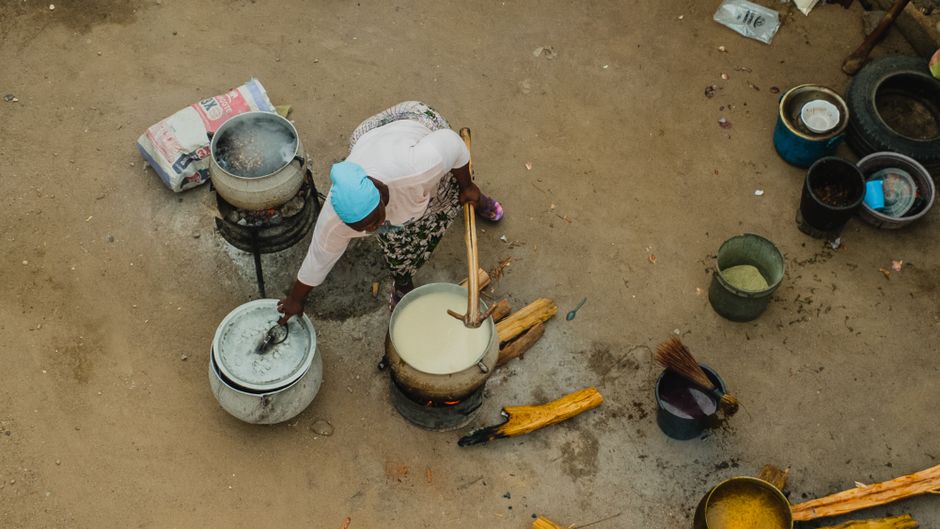
Meal prepping has taken the world by storm, and it's easy to see why. Imagine having all your meals planned, prepared, and ready to go, saving you both time and energy in your busy schedule. For Nigerians, adopting meal prep not only means convenience but also a gateway to healthier eating habits. By incorporating traditional Nigerian foods into your meal prep routine, you can enjoy delicious, nutritious meals without the daily hassle of cooking from scratch.
In this guide, we'll explore how you can make meal prep work for you, using local ingredients and recipes that fit into the Nigerian lifestyle. Whether you're a busy professional, a student, or a parent juggling multiple responsibilities, meal prepping can revolutionize your eating habits and improve your overall well-being.
Understanding Meal Prep: The Basics
What is Meal Prep?
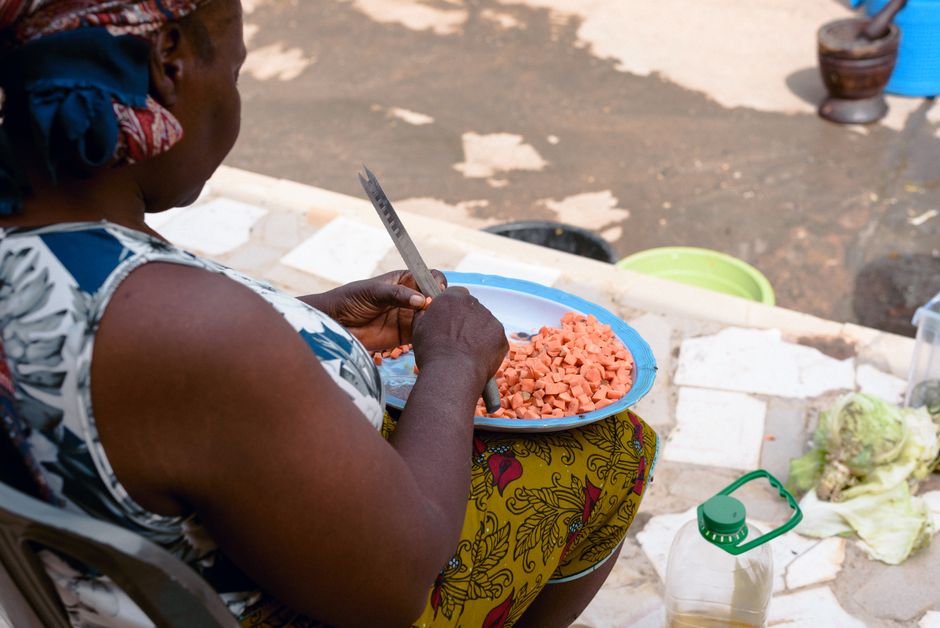
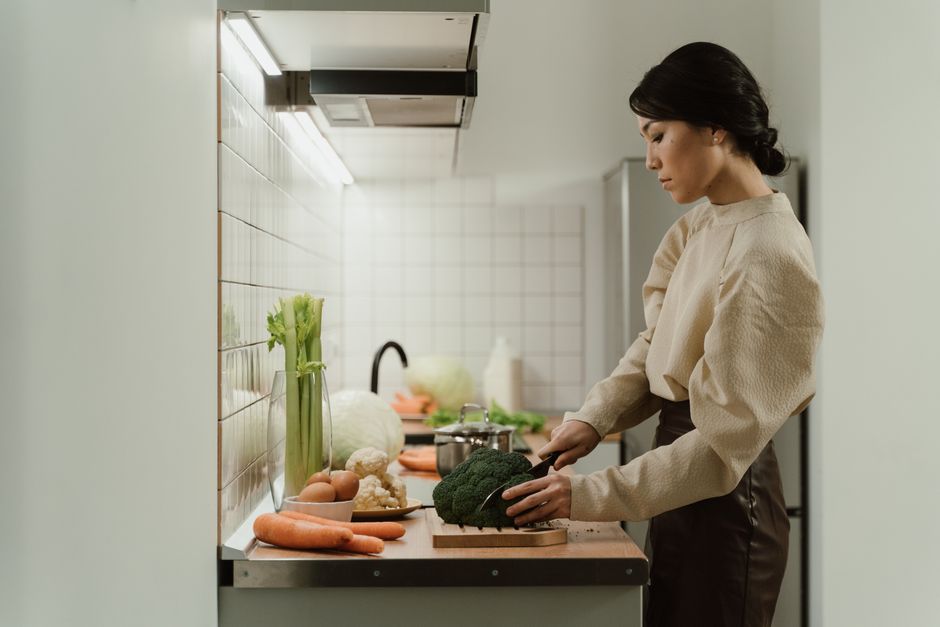
Meal prep involves planning and preparing your meals in advance. This could mean cooking entire meals or simply preparing ingredients for future use, making it easier to assemble a meal quickly.
The main goal of meal prep is to streamline your cooking process, reduce time spent in the kitchen, and ensure you have healthy meal options readily available.
Benefits of Meal Prepping
- Time-saving: Spend less time in the kitchen by cooking in batches.
- Cost-effective: Buying in bulk and reducing food waste can save money.
- Healthier eating: Having pre-prepared meals helps avoid unhealthy fast food options.
- Stress reduction: Knowing your meals are ready reduces daily stress.
Meal prepping can be particularly beneficial in Nigeria, where balancing busy work schedules with family commitments is a common challenge.
Setting Up Your Meal Prep Routine
Choosing Your Meals
Begin by selecting recipes that you enjoy and are easy to prepare. Focus on meals that incorporate local Nigerian staples like rice, beans, plantains, and yam.
“Start with simple recipes that you can easily scale, and don't be afraid to get creative with your ingredients.”
Planning Your Shopping
Create a comprehensive shopping list before heading to the market. Buying in bulk can help you save money, but make sure to choose fresh produce and items with a longer shelf life.
- Visit local markets for the freshest vegetables and fruits.
- Look for sales and discounts on bulk items like rice and beans.
Meal Prep Techniques and Tips
Batch Cooking
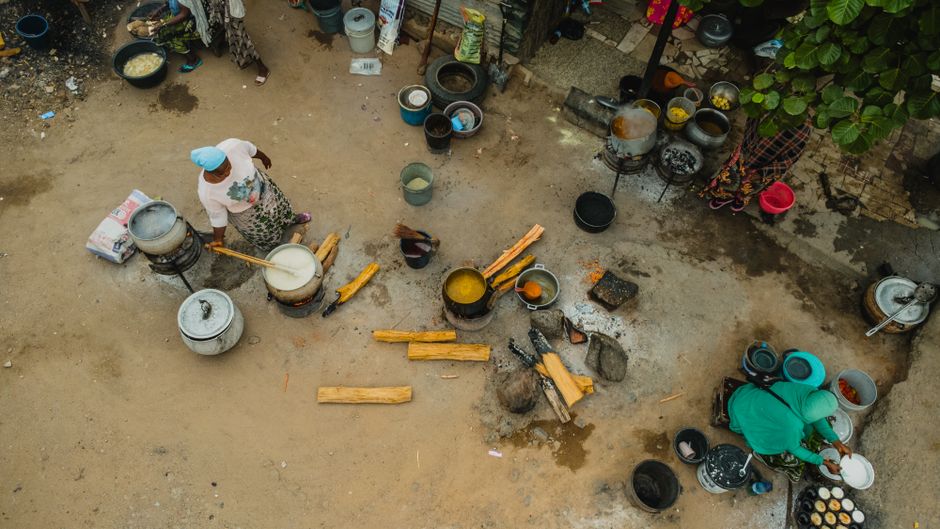
Cook large quantities of a particular dish and store them in portions for later use. Popular Nigerian dishes like Jollof rice or Egusi soup can be prepared this way.
Storage Solutions
Invest in quality containers that are freezer and microwave safe. This will make reheating and storing meals more convenient.
- Label containers with the date of preparation to keep track of freshness.
- Use clear containers to easily identify meals.
Incorporating Nigerian Flavors
Sourcing Local Ingredients
Nigerian cuisine is rich in flavor, thanks to its diverse range of herbs and spices. Make sure to stock up on essentials like ginger, garlic, and chili peppers.
Utilizing Traditional Recipes
Incorporate your favorite Nigerian recipes into your meal prep routine. Options like Akara for breakfast or Nkwobi for dinner can be prepared in advance and enjoyed throughout the week.
“By integrating the vibrant flavors of Nigerian cuisine into your meals, you can enjoy a comforting taste of home every day.”
Final Thoughts
Meal prepping is not just a trend; it's a lifestyle change that offers numerous benefits, especially for those with demanding schedules. By incorporating your favorite Nigerian dishes, you can ensure that your diet remains both healthy and satisfying. Whether you're new to the concept or a seasoned pro, remember that the key to successful meal prep is consistency and creativity.
Start small, experiment with different recipes, and slowly build a routine that suits your lifestyle. Before you know it, you'll enjoy the ease and convenience of having meals ready to go, all while nourishing your body with delicious, home-cooked food.