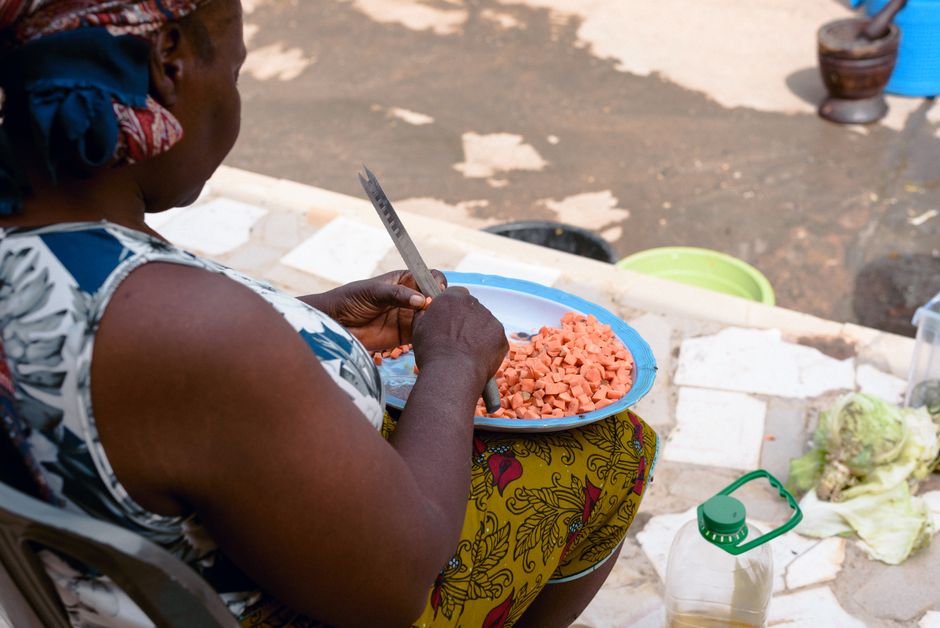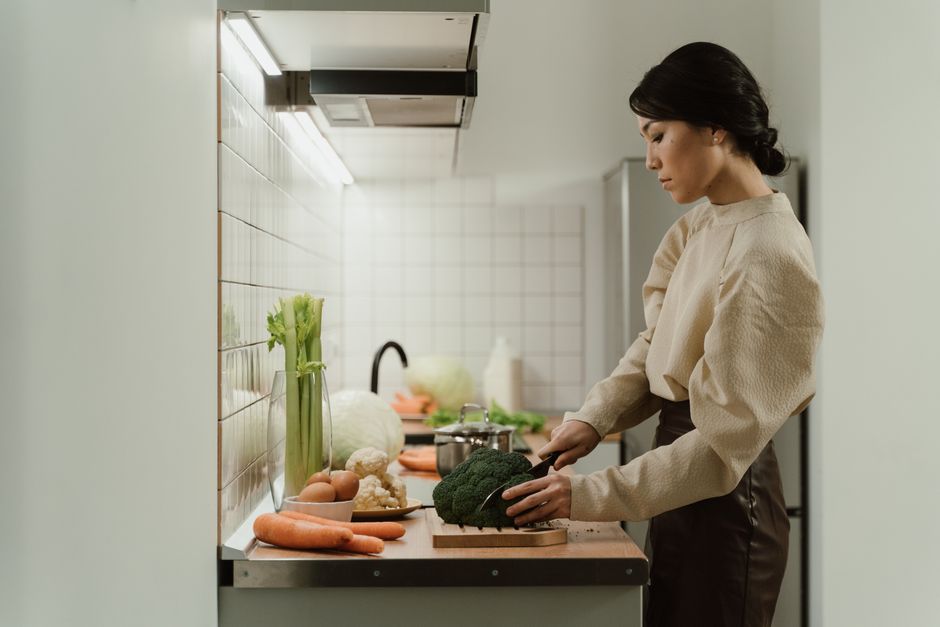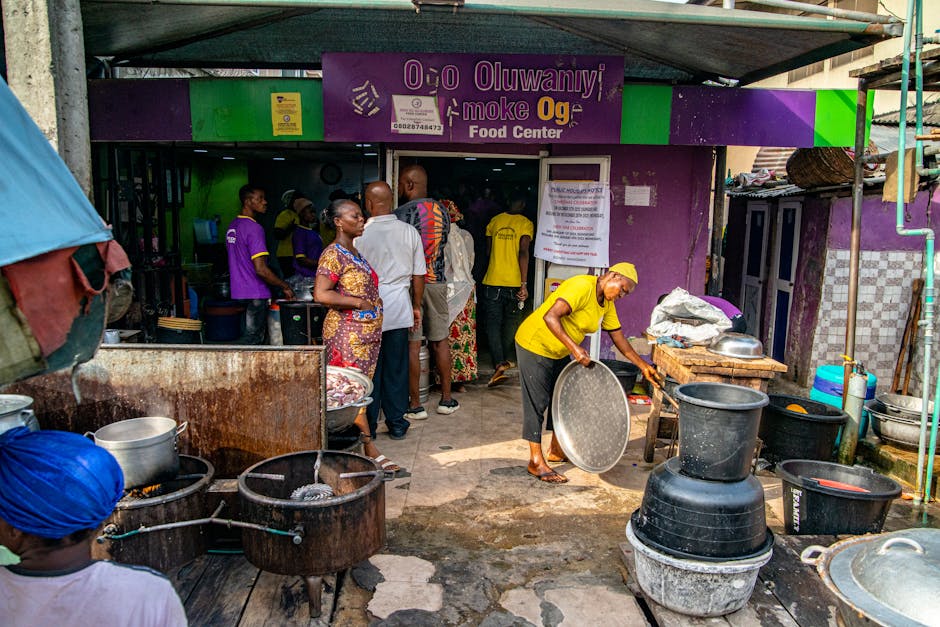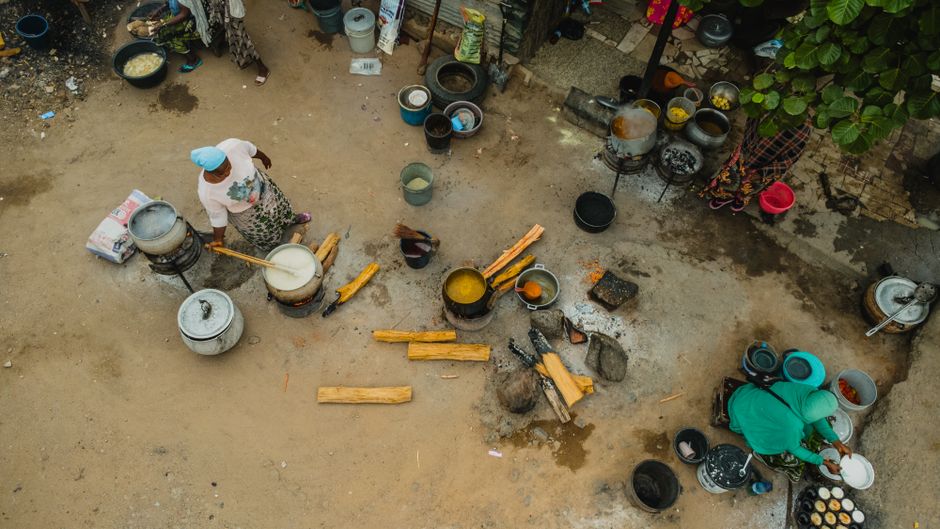
In today's fast-paced world, maintaining a healthy diet can often be a challenge. This is especially true in Nigeria, where traditional meals are both diverse and rich in flavor. But what if I told you that you can enjoy all the tastes of home while keeping your nutrition on track? The secret lies in mastering Nigerian meal prep. Not only does meal prep help in maintaining a balanced diet, but it also saves time and reduces food waste. Whether you're a busy professional in Lagos or a student in Ibadan, meal prep can transform the way you approach food and nutrition.
Nigerian meal prep is more than just a trend; it's a practical approach to eating well. Imagine coming home to a fridge full of ready-to-eat, home-cooked meals that are both delicious and nutritious. Sounds appealing, right? Let's dive into the world of Nigerian meal prep and discover how you can harness its benefits for a healthier lifestyle.
The Basics of Nigerian Meal Prep
Before you start cooking, it's important to understand the fundamentals of meal prep. This involves choosing the right meals, sourcing fresh ingredients, and organizing your cooking sessions efficiently.
Choosing Your Meals
When it comes to meal prepping, selecting the right dishes is crucial. In Nigeria, we are blessed with a wide array of traditional dishes. From jollof rice to egusi soup, the options are endless.
- Start with your favorite dishes that you can eat throughout the week.
- Ensure variety to avoid monotony and to cover different food groups.
- Consider nutritional balance by including proteins, carbohydrates, and vegetables.
Sourcing Fresh Ingredients
Access to fresh ingredients is key in Nigerian cooking. Visit your local market to get the freshest produce and support local farmers.
- Shop for vegetables that are in season for better taste and nutrition.
- Buy grains and legumes in bulk to save money and reduce trips.
"The best meals start with the freshest ingredients. Always prioritize quality when meal prepping," says Chef Ade, a renowned Lagos-based chef.
Step-by-Step Meal Prep Guide
Now that you have your meals planned and ingredients sourced, it's time to start prepping. Follow these steps to streamline your cooking process.
Setting Up Your Kitchen
A well-organized kitchen makes meal prepping more efficient. Ensure that you have all the necessary tools and space to work comfortably.
- Invest in good quality storage containers that are freezer and microwave-safe.
- Label your containers with the meal and date of preparation for easy identification.
Cooking and Portioning
Cooking in bulk is the essence of meal prep. It not only saves time but also ensures you have meals ready when you need them.
- Cook your meals in large batches, such as a big pot of stew or soup.
- Portion the meals into individual servings to make them easy to grab and go.
Storing and Reheating Meals
Proper storage is crucial to keep your meals fresh and tasty. Here's how to store and reheat your Nigerian dishes effectively.
Refrigeration and Freezing
Knowing which meals to refrigerate or freeze is key to maintaining their quality.
- Refrigerate meals you plan to eat within 3-4 days.
- Freeze meals for longer storage, ensuring to defrost them properly before reheating.
Reheating Techniques
Reheating meals correctly retains their taste and nutritional value.
- Use a microwave or stove to reheat meals, adding a splash of water to prevent drying out.
- Stir dishes halfway through reheating to ensure even warming.
"Meal prep helps you maintain a healthy lifestyle by reducing the temptation to eat out," says nutritionist Dr. Eniola.
Benefits of Nigerian Meal Prep
Meal prepping has numerous advantages that go beyond just saving time. Let's explore some key benefits.
Improved Nutrition
Prepping meals allows you to control your portions and ingredients, ensuring a balanced diet.
- Avoid excess salt and oil by cooking at home.
- Incorporate a variety of nutrients by using different recipes each week.
Cost-Effectiveness
Meal prep can also save you money. Buying in bulk and reducing waste contributes to a more economical lifestyle.
- Plan your meals around sales and deals to minimize costs.
- Reduce the frequency of eating out, which can be more expensive.
Overcoming Common Meal Prep Challenges
While meal prep offers many benefits, it can also present challenges. Let's discuss solutions to common issues you might face.
Lack of Time
Even with the best intentions, a busy schedule can hinder your meal prep plans. However, with some adjustments, it's possible to fit it into your routine.
- Dedicate a specific day for meal prep, such as Sunday.
- Use shortcuts like pre-chopped vegetables or canned goods when necessary.
Keeping Meals Interesting
Eating the same meals can become boring, but variety is the spice of life!
- Experiment with different spices and flavors to keep things exciting.
- Try new recipes every few weeks to broaden your culinary skills.
"The key to successful meal prep is to make it a fun and enjoyable process. Explore new recipes and don't be afraid to get creative," advises culinary expert Chef Funke.
Conclusion
Nigerian meal prep is a powerful tool to help you maintain a healthy diet while enjoying the rich flavors of traditional cuisine. By planning and preparing meals ahead of time, you can save time, money, and stress while ensuring you always have nutritious meals on hand. Whether you're aiming to improve your nutrition, manage your weight, or simply enjoy homemade meals every day, meal prep can be your ally.
So why not give it a try? Start small, keep it simple, and gradually build your meal prep skills. Your future self will thank you for it.