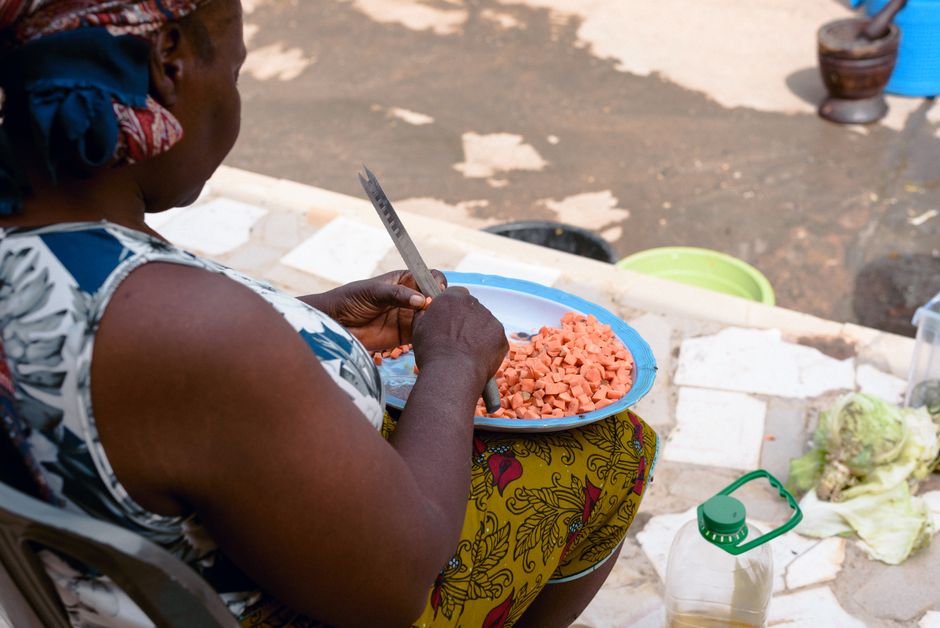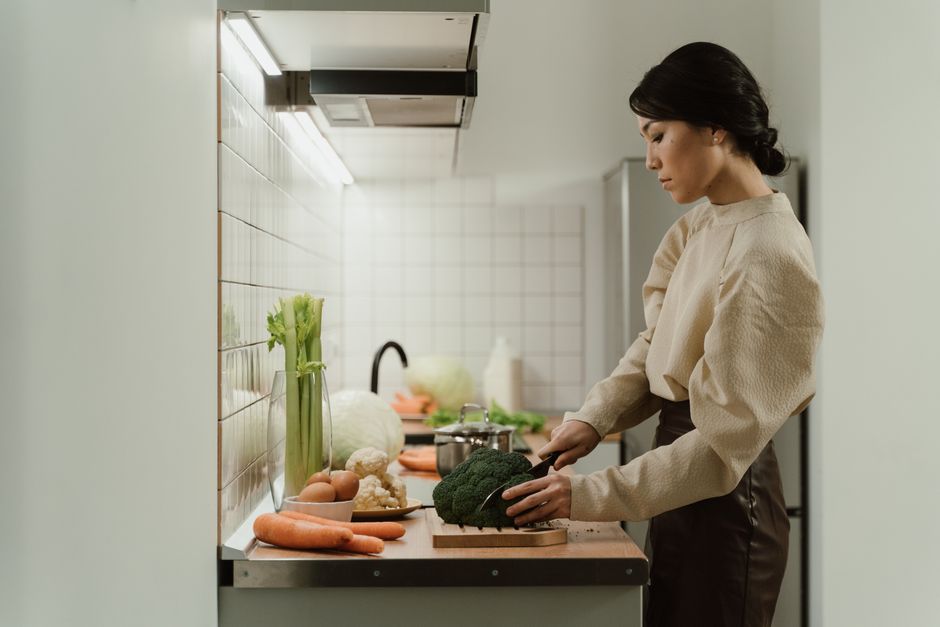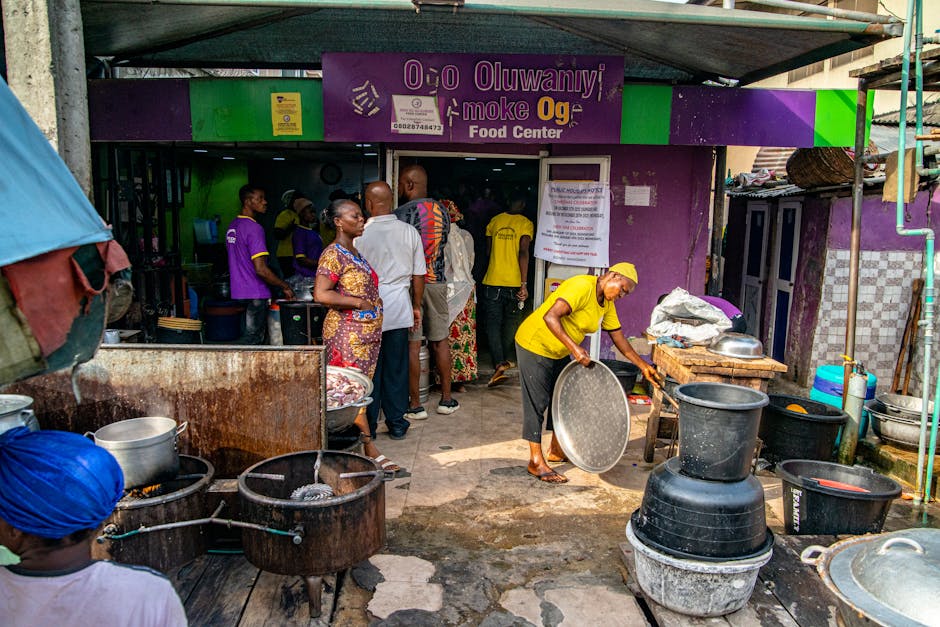
Meal prepping has become a popular strategy for busy individuals looking to maintain a healthy diet without spending hours in the kitchen every day. For Nigerians, integrating traditional flavors and ingredients into meal prep can be both nutritious and enjoyable. In this article, we'll explore how to efficiently plan and prepare meals that cater to a Nigerian palate, while still keeping health and convenience in mind.
Imagine opening your fridge to find neatly stacked containers filled with colorful, balanced meals. Meal prepping not only saves time but also helps to control portion sizes and reduce food waste, which is particularly beneficial in a bustling lifestyle. Whether you’re a busy professional, a parent juggling multiple responsibilities, or someone just looking to eat healthier, this guide will equip you with practical tips tailored to the Nigerian context.
Understanding the Basics of Meal Prep
Before diving into the specifics, it's essential to understand what meal prep entails. Essentially, meal prepping involves planning, preparing, and packaging your meals ahead of time, typically for a week. This practice helps you make mindful food choices and avoid the temptation of fast food.
Benefits of Meal Prep
- Time-saving: Spend a few hours once a week to eliminate daily cooking.
- Cost-effective: Buying in bulk and reducing food waste saves money.
- Healthier options: Control ingredients and portion sizes.
“The key to successful meal prep is variety. Mix different proteins, vegetables, and grains to keep your meals exciting.”
Essential Tools for Nigerian Meal Prep
Equipping your kitchen with the right tools can make meal prepping smoother and more efficient. Here's a list of essentials:
Storage Containers
- Invest in airtight containers of varying sizes to keep your meals fresh.
- Opt for containers that are microwave-safe for easy reheating.
Cooking Appliances
- Pressure Cooker: Perfect for cooking beans and tough meats quickly.
- Blender: Essential for prepping soups and smoothies.
Nigerian Meal Prep Ideas
Now, let's explore some practical meal ideas that incorporate traditional Nigerian flavors. These recipes are not only healthy but also easy to prepare in bulk.
Jollof Rice and Grilled Chicken
Prepare a large batch of jollof rice and pair it with grilled chicken. Store in individual containers for a quick grab-and-go meal.
Beans and Plantain
A nourishing combo of beans stewed with tomatoes and spices, served with oven-baked plantain slices.
- Pre-cook beans and store them in small portions.
- Slice and bake plantains in advance for a healthy side.
“Baked plantains offer a healthier alternative to frying, maintaining the sweet flavor with less oil.”
Tips for Successful Meal Prep
Even with the best intentions, meal prepping can become overwhelming without a strategy. Here are some tips to keep you on track:
Plan Your Meals
Start by planning your meals for the week. Consider your dietary needs, preferences, and any traditional Nigerian dishes you'd like to include.
Batch Cooking
Dedicate a specific day to batch cooking. Prepare multiple components at once, such as rice, beans, and proteins.
- Cook large quantities of staple foods like rice and beans.
- Store pre-cooked proteins like chicken or fish.
Maintaining Variety and Balance
To prevent meal prep monotony, ensure your meals are balanced and varied. This includes incorporating different food groups and using spices to enhance flavors.
Incorporate Vegetables
Always include a variety of vegetables in your meals. Not only do they provide essential nutrients, but they also add color and texture.
Spice It Up
Nigerian cuisine is known for its rich and spicy flavors. Use spices like pepper, ginger, and garlic to keep your meals exciting.
“Don’t shy away from spices. They can transform a simple dish into a flavorful experience.”
Conclusion
Meal prepping is a practical approach to eating healthier and saving time, especially within the dynamic Nigerian lifestyle. By incorporating traditional ingredients and flavors, you can enjoy nutritious meals that resonate with your cultural palate. Remember, the key to successful meal prep is planning, variety, and consistency. Start small, adapt as you go, and enjoy the numerous benefits that come with being prepared.