If you’ve ever found yourself staring at an empty fridge, wondering what to cook after a long day, you’re not alone. Many Nigerians face this challenge daily, especially with our busy lifestyles. But what if there was a way to simplify your cooking routine and eat healthier? Enter meal prep—a solution that’s not only practical but can also transform how you approach food.
In this article, we’ll explore how to master meal prep with a Nigerian twist, making it easier for you to enjoy nutritious meals without the stress. Whether you’re new to meal prepping or looking to refine your skills, these tips will guide you towards a more organized and healthier eating pattern.
Understanding the Basics of Meal Prep
What is Meal Prep?
Meal prep, short for meal preparation, is the process of planning and cooking your meals ahead of time, often for a week. It involves preparing ingredients or complete meals in advance to save time and ensure you have a healthy meal ready when needed.
The concept is simple: cook once, eat multiple times. This approach not only saves time but also reduces the temptation to opt for unhealthy fast food options.
“Failing to plan is planning to fail. Meal prep is your plan for success.”
Why Consider Meal Prep?
- Time-Saving: Cook your meals for the week in a single day, freeing up more time during your busy week.
- Cost-Effective: Buying ingredients in bulk often reduces costs, and less eating out means more savings.
- Healthier Choices: Control the ingredients and portion sizes, leading to healthier eating habits.
Essential Tools for Nigerian Meal Prep
Kitchen Supplies You’ll Need
To start meal prepping, you don’t need a fancy kitchen, but a few key tools can make the process more efficient:
- Containers: Invest in a variety of airtight containers to keep your meals fresh. Glass containers are durable and safe for microwaving.
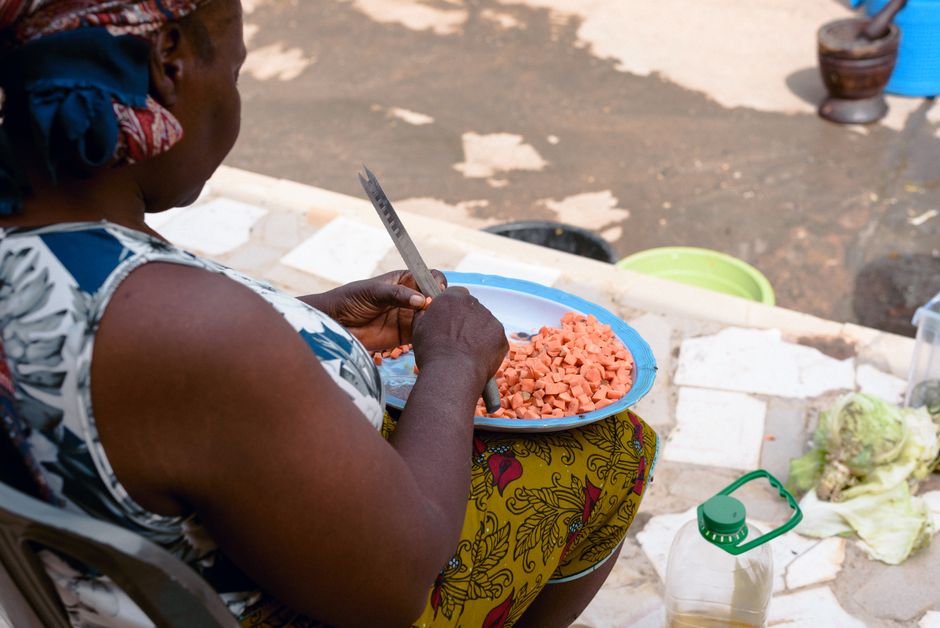
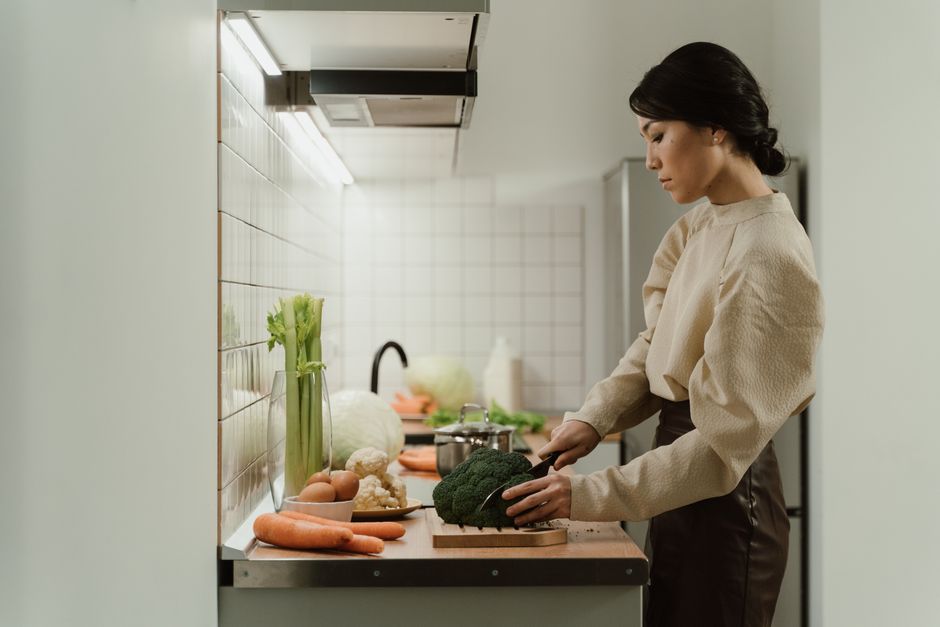
- Sharp Knives: A good set of knives can make chopping and cutting ingredients much easier.
- A Good Pot: A large pot is necessary for cooking soups, stews, and other bulk meals common in Nigerian cuisine.
Ingredients to Always Have on Hand
Stocking your pantry with staple ingredients can make meal prep simpler and more effective:
- Rice and Grains: Jollof rice, brown rice, and millet are versatile and store well.
- Beans and Legumes: An excellent source of protein and fiber, beans are essential in many Nigerian dishes.
- Fresh Vegetables: Stock up on peppers, tomatoes, onions, and greens from your local market for a burst of flavor and nutrients.
Planning Your Meals Effectively
Creating a Balanced Meal Plan
When planning your meals, aim for a balance of macronutrients: proteins, carbohydrates, and fats. Each meal should include a source of protein, such as fish or chicken, carbohydrates like rice or yams, and healthy fats from nuts or avocados.
Incorporate traditional Nigerian dishes like Egusi soup, which can be made in bulk and stored for later. Pairing it with fufu or a more fiber-rich option like quinoa can make for a balanced meal.
Batch Cooking Techniques
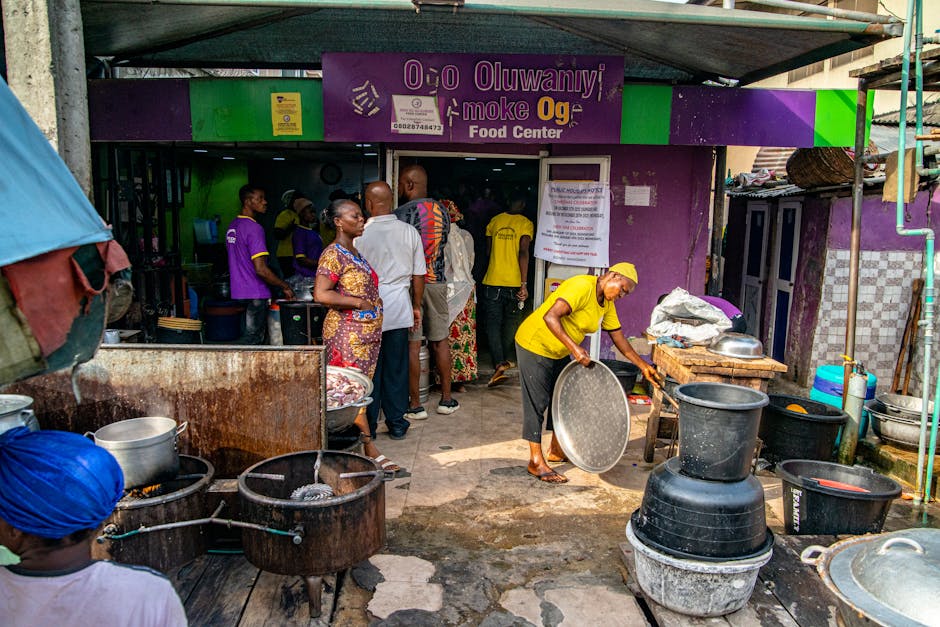
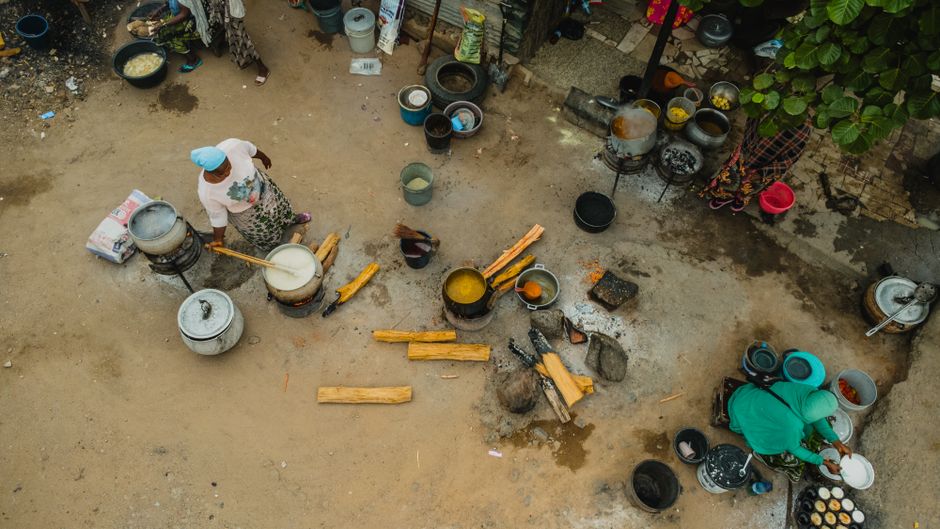
Batch cooking involves making large quantities of a dish at once. This technique is perfect for stews, soups, and sauces like Banga or Ogbono, which can be easily frozen and reheated.
“Batch cooking is like a gift to your future self—spend a little time now to save a lot of time later.”
Storage and Safety Tips
Proper Food Storage
Storing your meals correctly is crucial to maintaining freshness and preventing foodborne illnesses. Ensure your fridge is set to the right temperature and label each container with the date it was prepared.
Use BPA-free containers and avoid storing food in plastic bags for long periods. Instead, opt for glass or stainless steel containers that are better for both the planet and your health.
Reheating and Consumption Tips
When it’s time to eat, ensure that your food is reheated to the right temperature to kill any bacteria. A microwave or stove can be used, depending on the meal and your preference. Always check for any unusual odors before consuming stored meals.
Practical Tips for Successful Meal Prep
Start Small
If you’re new to meal prep, start by preparing meals for just a few days at a time. Gradually increase as you become more comfortable with the process.
Be Flexible
While having a plan is important, it’s also good to be flexible. You might find that you crave something different on certain days, so allow yourself room to switch things up when necessary.
- Mix and Match: Prepare a few core ingredients and mix them up to create different meals throughout the week.
- Explore New Recipes: Try new dishes each week to keep things exciting and prevent burnout.
Conclusion
Meal prepping is not just a trend; it’s a lifestyle change that can make eating healthy more attainable and less stressful. By incorporating these Nigerian meal prep strategies, you can save time, money, and effort while ensuring that you and your family enjoy delicious, home-cooked meals even on the busiest of days.
Remember, the key to successful meal prep is planning, preparation, and flexibility. So why not give it a try? Your future self will thank you for it.