In the bustling cities of Nigeria, where traffic can keep you on the road for hours and work commitments seem endless, finding time to prepare healthy meals can feel like an uphill battle. But what if there was a way to enjoy homemade meals every day without spending hours in the kitchen? Enter the world of meal prep, a game-changer for busy Nigerians who want to eat well and save time.
Meal prep isn't just a trend; it's a lifestyle shift that offers convenience, saves money, and ensures you're eating nutritious meals daily. Whether you're a student in Ibadan, a professional in Abuja, or a parent juggling multiple responsibilities in Lagos, meal prepping can transform your culinary routine. Let's dive into how you can master meal prep Nigerian-style.
Understanding the Basics of Meal Prep
What is Meal Prep?
Meal prepping involves planning and preparing your meals in advance, typically for the week. This means cooking and portioning meals on a specific day so that you have ready-to-eat food throughout the week.
For Nigerians, this could mean cooking large pots of jollof rice, soups, or stews that can be easily reheated, or preparing ingredients like chopped vegetables and marinated proteins that can be quickly cooked.
Why Consider Meal Prep?
- Time Savings: By dedicating a few hours on one day, you save time during the weeknight rush.
- Cost-Effective: Buying groceries in bulk and reducing food waste can lower your food expenses.
- Healthier Options: Controlling your ingredients means you can maintain a balanced diet, crucial for staying fit and healthy.
Getting Started with Meal Prep
Invest in the Right Tools
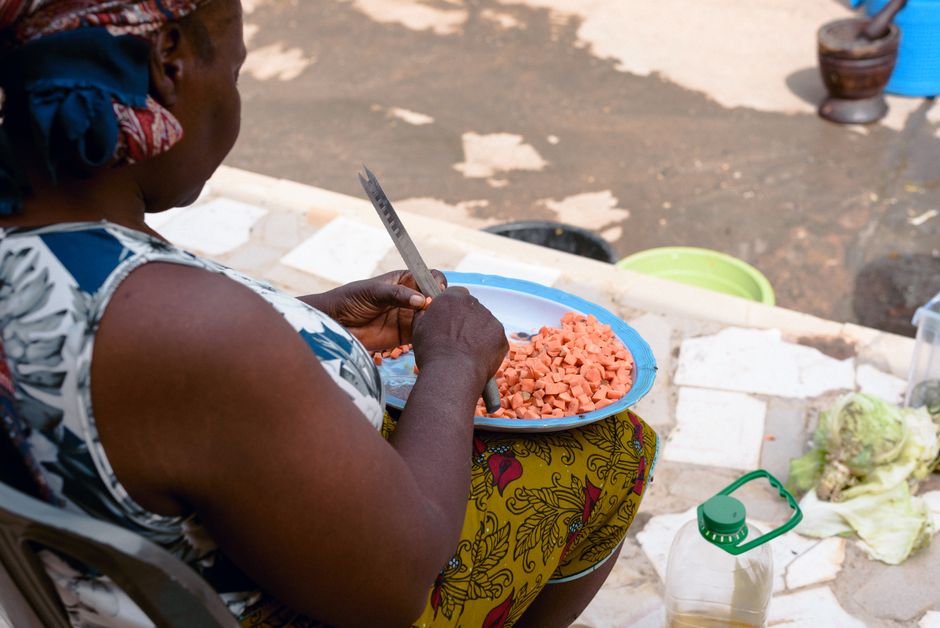
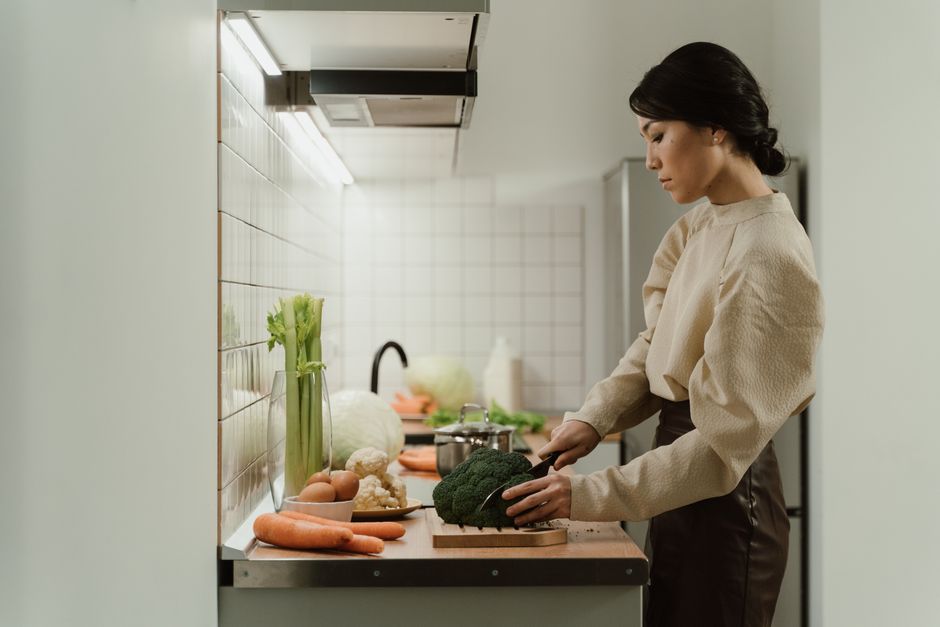
To start meal prepping, you'll need some basic tools such as airtight containers, a set of measuring cups, a sharp knife, and a cutting board. These will help keep your meals fresh and make the preparation process smoother.
Consider investing in reusable containers that are both microwave and dishwasher safe, as these will be used frequently.
Choose Your Meals Wisely
When selecting meals to prep, opt for recipes that store well and can be easily reheated. In Nigerian cuisine, dishes like egusi soup, okra soup, and yam porridge are excellent choices.
Balance your meals by including a variety of proteins, carbohydrates, and vegetables, ensuring you get all necessary nutrients.
Meal Planning and Grocery Shopping
Create a Weekly Menu
Plan your meals for the week by deciding which dishes you'll prepare. Consider your schedule and choose meals that align with your time constraints and dietary needs.
Having a menu helps streamline your grocery shopping and ensures you buy only what's necessary, thus reducing food waste.
Smart Grocery Shopping
- Bulk Buying: Purchase grains and non-perishable items like rice and beans in bulk to save money.
- Local Produce: Visit local markets early to get fresh fruits and vegetables and support local farmers.
- Seasonal Shopping: Buy fruits and vegetables that are in season for better prices and freshness.
Cooking and Storing Meals
Batch Cooking Techniques
Batch cooking involves making large quantities of a particular dish that can be portioned out throughout the week. This is where one-pot meals shine, such as jollof rice or fried rice, which can serve as a complete meal.
Try making a large pot of soup, stewing your protein in bulk, or baking a whole chicken that can later be shredded and used in different dishes.
Storing Prepared Meals
Proper storage is crucial to keep your meals fresh. Use airtight containers to prevent spoilage, and label each container with the meal name and date.
For meals that won't be eaten within three days, consider freezing them to extend their shelf life. When ready to eat, simply thaw them in the fridge overnight and reheat.
Maintaining Variety and Flavor
Mix It Up
To avoid monotony, rotate your recipes each week. This not only keeps your taste buds excited but also ensures you're consuming a variety of nutrients.
Experiment with different seasonings and spices, which are a staple in Nigerian cooking, to enhance the flavor of your meals without relying on unhealthy additives.
Utilize Leftovers Creatively
- Repurpose: Transform last night's stew into a delicious breakfast by pairing it with yam or plantain.
- Combine Ingredients: Mix and match proteins and vegetables from different meals to create unique dishes.
"Meal prepping is not just about saving time; it's about taking control of your diet and ensuring you are nourishing your body with the best foods available." - Nutrition Expert
Final Thoughts
Meal prep offers Nigerian families and individuals a sustainable way to manage their nutrition amidst busy schedules. By planning, preparing, and enjoying meals from home, you can maintain a healthy lifestyle, save money, and enjoy the rich flavors of Nigerian cuisine every day.
Whether you're a beginner or a seasoned chef, incorporating meal prep into your routine can be both a rewarding and life-changing experience. So, why not give it a try? Your future self will thank you!