In the hustle and bustle of daily life, balancing work, family, and personal time can be quite a challenge. For many Nigerians, meal preparation often falls to the wayside, leading to last-minute unhealthy food choices. But what if there was a way to enjoy nutritious, home-cooked meals without the daily stress of preparation? Enter meal prepping, a strategy that has taken the world by storm, simplifying lives one meal at a time.
Meal prepping is not just a trend; it's a lifestyle change that empowers you to take control of your nutrition. By planning and preparing your meals in advance, you can enjoy healthier choices, save time, and even cut costs. It's especially beneficial in Nigeria, where the variety of local ingredients offers endless possibilities for delicious and nutritious meals.
Whether you're a busy professional, a student, or a parent juggling multiple responsibilities, mastering the art of meal prep can significantly improve your dietary habits and overall well-being. In this comprehensive guide, we'll explore practical tips to make meal preparation seamless and tailored to the Nigerian lifestyle. Are you ready to get started?
Understanding the Basics of Meal Prep
What is Meal Prep?
Meal prep involves preparing meals and snacks ahead of time, to be consumed over the coming days. It’s an efficient way to ensure you have healthy meals available when time is limited.
- Batch cooking: Preparing large quantities of one recipe to be divided into individual portions.
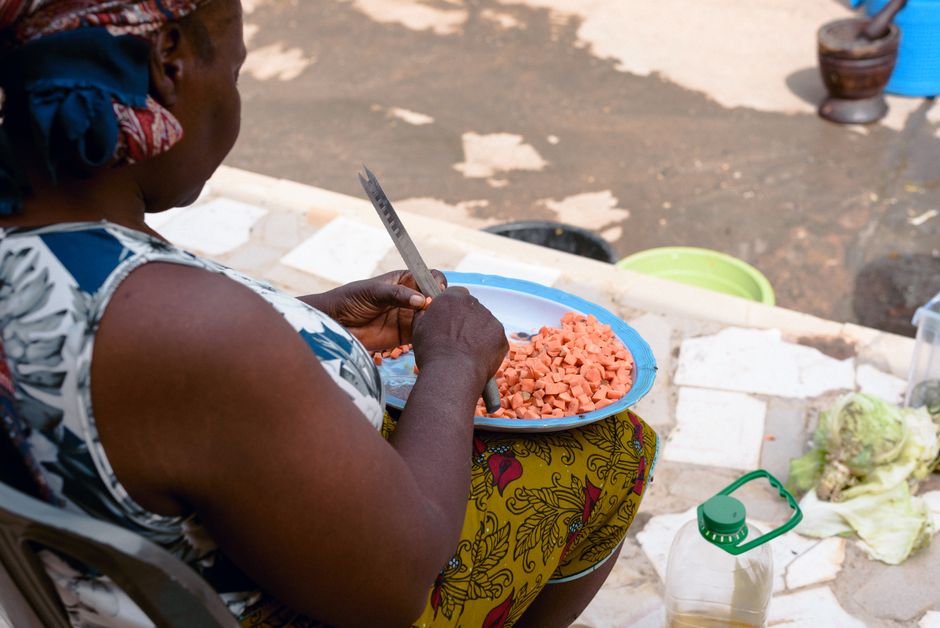
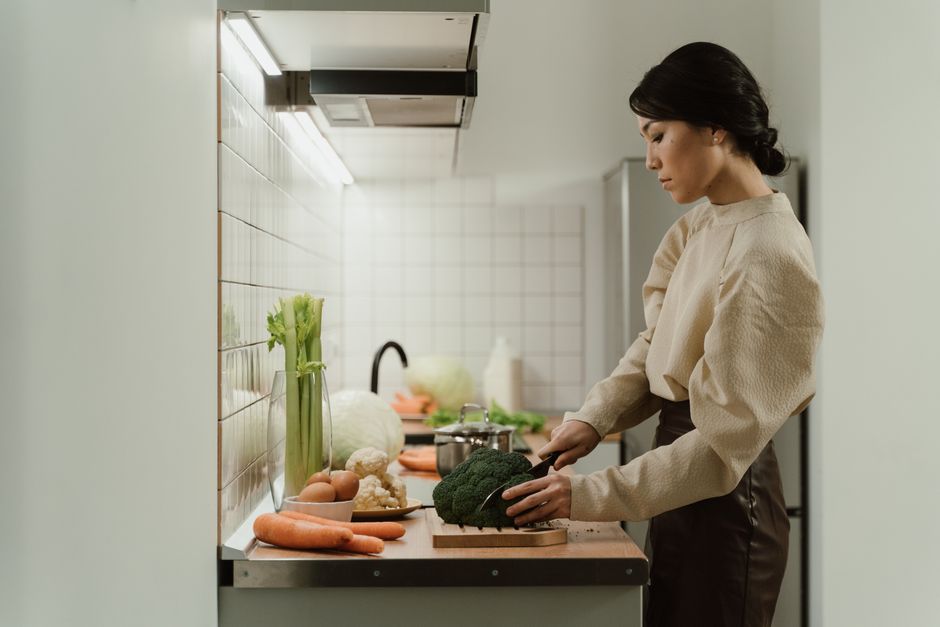
- Pre-portioning ingredients: Chopping and storing ingredients separately for quick assembly later.
- Freezing meals: Cooking meals and freezing them for future use.
Why Meal Prep is Ideal for Nigerians
With Nigeria's vibrant culinary culture, meal prepping allows you to enjoy traditional meals conveniently. Whether it's jollof rice, egusi soup, or suya, you can have these favorites ready to go.
"Meal prepping in Nigeria means incorporating rich flavors and traditions into your everyday routine without the hassle."
Practical Tips for Effective Meal Prep
Planning Your Meals
Before diving into cooking, plan your meals for the week. Take into account your schedule, dietary needs, and food preferences.
- Set a weekly menu: Decide what meals you'll prepare for breakfast, lunch, and dinner.
- Variety is key: Incorporate different proteins, vegetables, and grains to keep meals interesting.
- Balance your diet: Ensure each meal has a good mix of macronutrients.
Shopping Smart
Having a well-organized grocery list can save you time and money. Shop locally for the freshest ingredients.
- Buy in bulk: For staples like rice, beans, and yam, buying in bulk can be cost-effective.
- Choose seasonal produce: Seasonal fruits and vegetables are fresher and often cheaper.
- Don't forget the spices: Stock up on spices to add depth and flavor to your dishes.
Efficient Cooking Techniques
Batch Cooking
Once you've gathered your ingredients, it's time to cook. Batch cooking is a great way to prepare multiple meals at once.
- Use versatile recipes: Prepare dishes that can be easily modified or served with different sides.
- Invest in quality containers: Store your meals in airtight containers for freshness.
- Label your meals: Clearly label containers with the date and meal type to avoid confusion.
Freezing and Storing Meals
Proper storage is crucial to maintaining the quality and safety of your prepped meals.
- Cool before freezing: Allow cooked meals to cool before storing them in the freezer.
- Use freezer-friendly bags: These save space and reduce the risk of freezer burn.
Incorporating Nigerian Flavors
Utilizing Spices and Herbs
Nigerian cuisine is known for its rich flavors, often achieved through a careful blend of spices and herbs. Incorporate these into your meal prep for authentic taste.
- Ginger and garlic: Common in many dishes, they add aroma and flavor.
- Chili peppers: Adjust the heat to your preference for a spicy kick.
- Local spices: Experiment with spices like iru, ogiri, or ehuru for unique flavors.
Traditional Dishes Made Easy
Many traditional Nigerian dishes can be adapted for meal prep without losing their essence.
- Jollof rice: A one-pot wonder, perfect for batch cooking and freezing.
- Egusi soup: Prepare and store in portions, ready to be paired with different swallows.
- Beans and plantain: A nutritious combo that reheats well.
Overcoming Common Meal Prep Challenges
Dealing with Time Constraints
Time management is crucial in meal prepping. Allocate specific times during the week for cooking and storing meals.
- Weekend prep sessions: Dedicate a few hours on weekends to prepare the bulk of your meals.
- Multitask: Cook multiple dishes simultaneously using different kitchen appliances.
Maintaining Meal Variety
A common concern is getting bored with meals. Keep things interesting by continuously trying new recipes and ingredients.
- Rotate recipes: Change your menu every couple of weeks to avoid monotony.
- Incorporate global cuisines: Add international flavors for variety.
Conclusion
Embarking on a meal prep journey is one of the best decisions you can make for your health and lifestyle. This practice not only empowers you to take charge of your nutrition but also allows you to savor the rich and diverse flavors of Nigerian cuisine with ease. By planning, shopping wisely, and cooking efficiently, you can enjoy delicious, homemade meals every day without the stress of daily cooking.
Remember, meal prepping is a personal journey. Start small, experiment with different methods, and gradually find what works best for you. With these tips, you're well on your way to mastering meal prep in a way that complements your lifestyle and satisfies your taste buds. So, why not start today and transform the way you approach your meals?