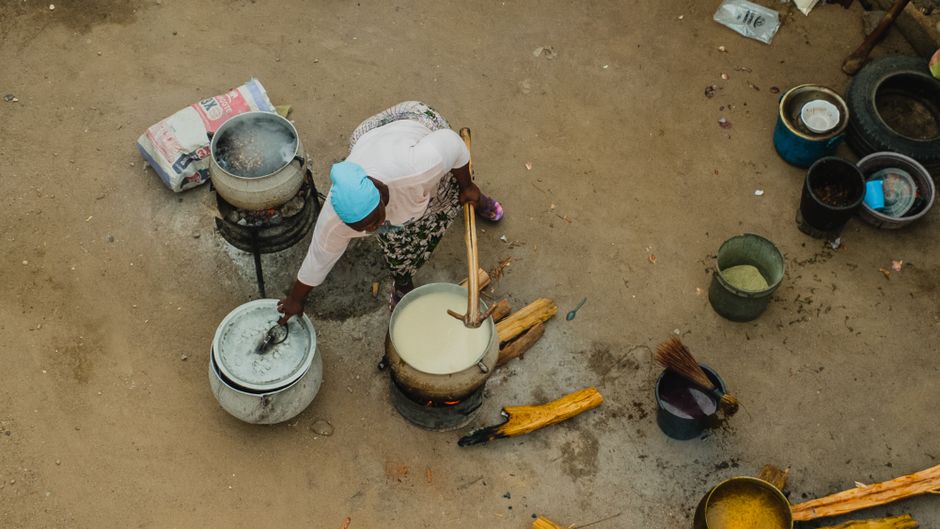
Have you ever found yourself spending too much time in the kitchen, or worse, resorting to fast food because you just couldn't whip up a meal in time? You're not alone. Many Nigerians face this challenge daily. But what if there was a way to enjoy the richness of our local cuisine without the constant hustle? Enter meal prep—a game changer for maintaining a healthy and stress-free lifestyle. Meal prep is not just about preparing meals in advance; it's about efficiency, nutrition, and making conscious decisions about what we eat. As we delve deeper into this topic, we'll explore how you can adapt meal prep to fit the Nigerian context, drawing inspiration from our vibrant culinary heritage.
Before we dive in, let's set the stage with why meal prep is so crucial. With the increasing demands of modern life, from work commitments to family obligations, finding time to cook a nutritious meal can be daunting. Meal prep offers a solution by allowing you to plan, prepare, and enjoy wholesome meals without the last-minute rush. Moreover, it's an excellent way to save money, reduce food waste, and even support your health goals. Ready to transform your kitchen habits? Let's explore how you can master Nigerian meal prep.
Understanding the Basics of Meal Prep
Meal prep refers to the practice of preparing whole meals or dishes ahead of schedule. It’s a strategy that can help you deal with the hurried nature of daily life while ensuring you consume healthy and balanced meals. But what does meal prep entail when it comes to Nigerian cuisine?
What is Meal Prep?
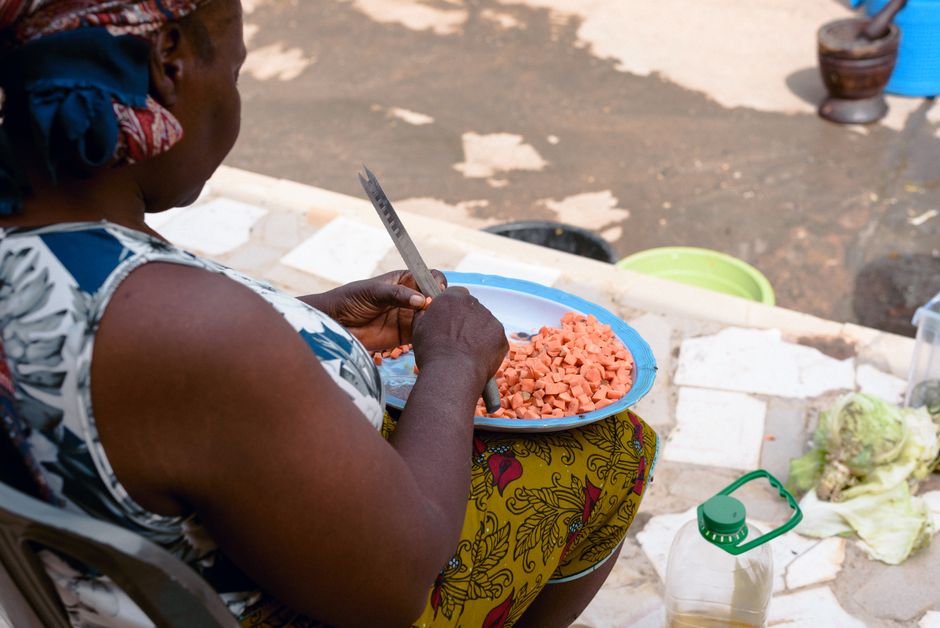
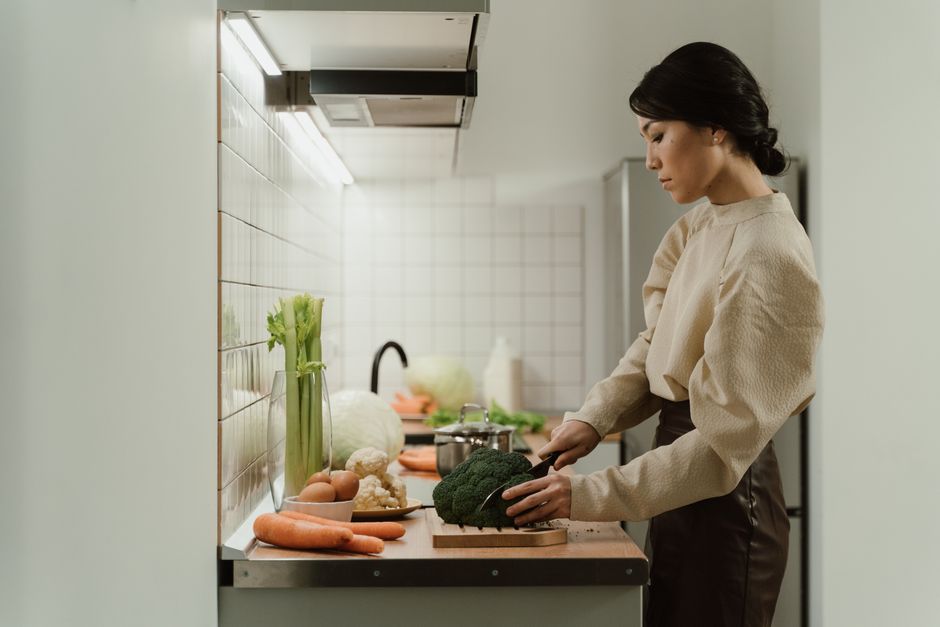
Meal prep involves planning and preparing your meals in advance. It can be as simple as pre-cooking ingredients or as complex as cooking full meals that can be reheated throughout the week. The idea is to streamline your cooking process, save time, and ensure you always have nutritious food available.
"Meal prep is like a life hack for nutrition—especially with the diverse and rich options in Nigerian cuisine."
Benefits of Meal Prep
- Time-saving: Spend less time in the kitchen during busy weekdays.
- Cost-effective: Buying ingredients in bulk can significantly cut grocery bills.
- Healthier choices: Avoid the temptation of fast food with ready-to-eat, healthy meals.
- Waste reduction: Plan meals to minimize food waste.
Adapting Meal Prep to Nigerian Dishes
Nigerian cuisine is known for its vibrant flavors and rich diversity. However, some traditional dishes can be time-consuming. Here's how to integrate meal prep into local favorites:
Planning Your Meals
Start by creating a menu for the week. Consider incorporating a variety of dishes like Jollof rice, egusi soup, and efo riro. Think about meals that can be easily cooked in large quantities and stored.
Shopping for Ingredients
Purchase ingredients in bulk from local markets to save money. Look for fresh vegetables, proteins, and staples like rice and beans. Select seasonal produce to enjoy fresher and more affordable food.
Cooking and Storing
- Batch cooking: Cook large quantities of staples such as rice and beans. Store them in portioned containers to use throughout the week.
- Storing: Invest in good quality, airtight containers for storing meals. Label them with dates to avoid confusion.
- Freezing: Some stews and soups freeze well. Prepare a big pot, portion it, and freeze for later use.
Making Meal Prep a Routine
Consistency is key when it comes to meal prep. Here's how to make it a regular part of your lifestyle:
Setting a Schedule
Choose a specific day for meal prepping—often, Sundays work well for most people. Allocate a few hours to cook and store your meals for the upcoming week.
Getting the Family Involved
Include your family in meal prep activities. Assign tasks like washing vegetables or portioning meals. It not only eases your workload but makes it a fun family activity.
"Meal prep isn't just about food—it's about building a healthier lifestyle for you and your family."
Staying Organized
- Keep a meal prep calendar to plan meals and shopping lists.
- Organize your kitchen to make meal prepping smoother.
- Regularly review and adjust your meal prep routine based on what works best for you.
Common Challenges and How to Overcome Them
Like any new routine, meal prep has its hurdles. Here’s how to tackle them:
Limited Time
Feeling pressed for time? Start small. Prep ingredients ahead of time, like chopping vegetables, rather than cooking whole meals initially.
Boredom with Meals
Switch up your meal plans regularly. Try new recipes or variations of your favorite dishes to keep things exciting.
Storage Issues
Invest in quality storage solutions. If space is an issue, use stackable containers or vacuum-sealed bags to maximize storage efficiency.
Conclusion
Meal prep offers a practical solution to the challenges of modern life, especially in a fast-paced environment like Nigeria. By planning and preparing meals in advance, you can enjoy the benefits of healthy, home-cooked food without the stress of daily cooking. Whether you're a busy professional or a family of six, adapting meal prep to fit your lifestyle can be a transformative experience. So why not give it a try? With a bit of planning and creativity, you can savor the rich flavors of Nigerian cuisine every day while staying healthy and stress-free.