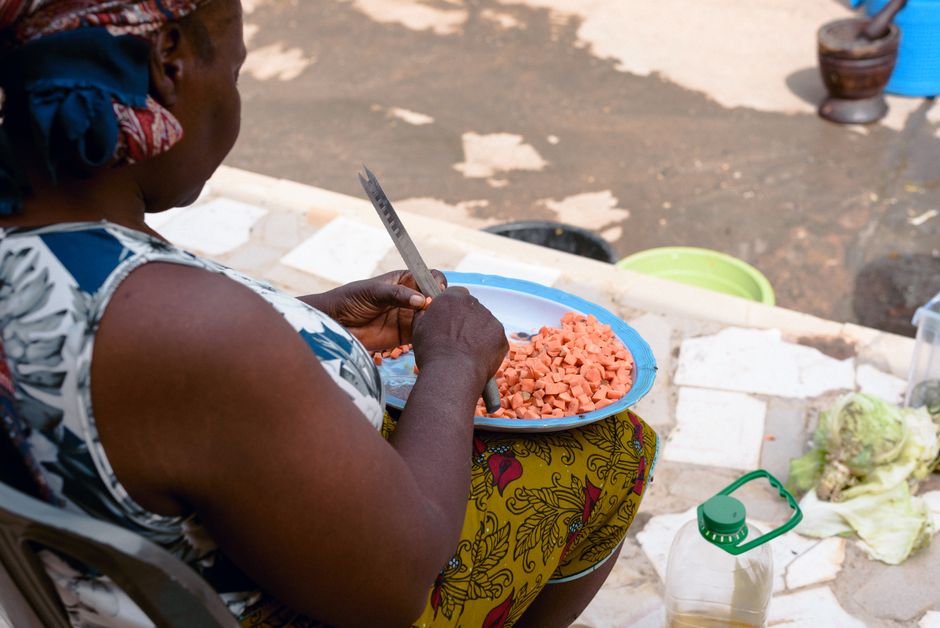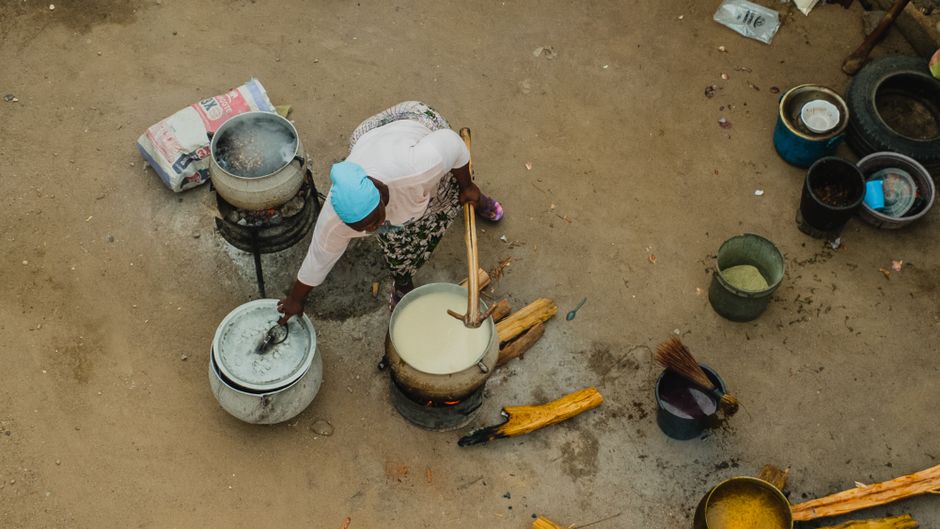
In today's fast-paced world, eating healthy is more important than ever. Yet, with the busy schedules that many Nigerians juggle, from bustling Lagos streets to the serene villages in Benue, finding time to prepare nutritious meals can be daunting. Enter meal prep, the unsung hero of the health-conscious! This strategy not only saves time but also ensures you have healthy meals ready to go, reducing the temptation of fast food and unhealthy snacks.
Meal prep involves planning and preparing your meals in advance and can significantly impact your health journey. But how can you adapt this concept to the rich and diverse Nigerian palate? Let’s dive into the art of Nigerian meal prep.
Understanding the Basics of Meal Prep
Meal prep can be as simple or as complex as you want it to be. It typically involves choosing a day to plan, shop, and prepare meals for the coming days. This can include complete meals or just prepping ingredients to cook them quickly later on.
Why Meal Prep?
- Saves Time: Prepping meals ahead means less time in the kitchen daily.
- Healthier Choices: Having meals ready reduces the temptation of eating out.
- Cost-Effective: Buying in bulk and preparing meals reduces grocery costs over time.
- Reduces Waste: Planning meals can help reduce food wastage, a significant issue in many homes.
“By failing to prepare, you are preparing to fail.” – Benjamin Franklin
Essential Meal Prep Tools
To start meal prepping, you'll need some basic tools:
- Storage Containers: Invest in good quality reusable containers that can be refrigerated or frozen.
- Freezer Bags: These are perfect for portioning and freezing ingredients or meals.
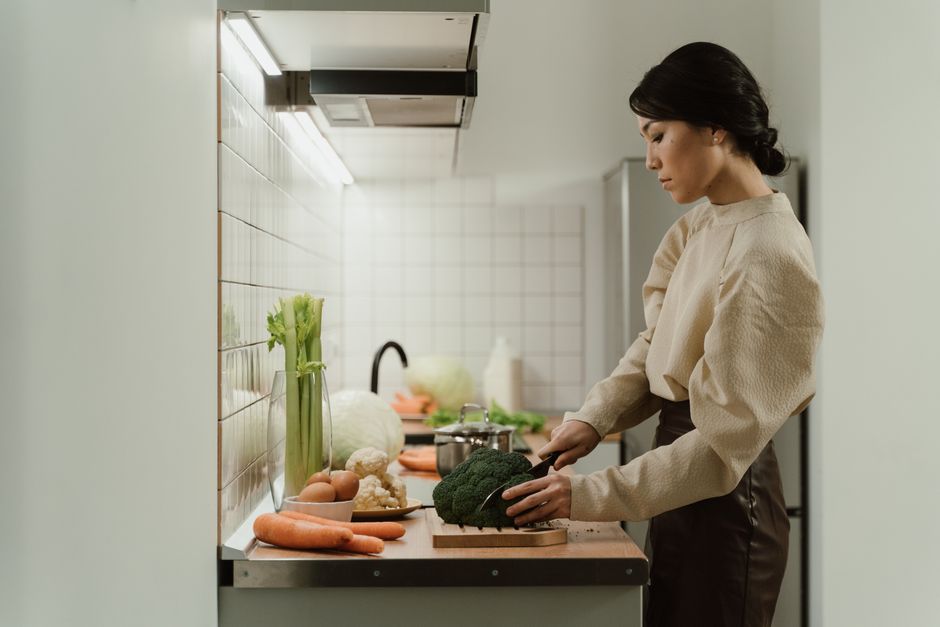
- Sharp Knives: A good knife set can make all the difference when chopping and dicing.
- Blender or Food Processor: Useful for prepping sauces, soups, and smoothies.
Planning Your Nigerian Meals
When planning meals, consider what Nigerian dishes you enjoy, how they align with your nutritional goals, and their ease of preparation.
Selecting Ingredients
Focus on local, seasonal produce to ensure freshness and support local farmers. Ingredients like yams, plantains, beans, and leafy greens are staples in Nigerian cuisine and are nutritious and versatile.
- Proteins: Chicken, fish, beans, and tofu are excellent choices.
- Grains: Choose whole grains like brown rice or millet over refined options.
- Vegetables: Incorporate a variety of colorful veggies to ensure a range of nutrients.
- Spices: Don't forget the spices! They add flavor without extra calories.
Sample Meal Plan
Here’s a sample meal plan that balances traditional Nigerian flavors with meal prep convenience:
- Breakfast: Overnight oats with honey and bananas.
- Lunch: Grilled fish with jollof rice and steamed vegetables.
- Dinner: Egusi soup with pounded yam.
- Snacks: Roasted groundnuts or fruit salad.
Prepping Techniques for Longevity
Properly storing and preparing your meals can extend their shelf life and preserve their nutritional value. Here are some tips to keep your meals fresh and delicious:
Refrigeration and Freezing
- Cool Before Storing: Let meals cool before placing them in the refrigerator or freezer to prevent bacteria growth.
- Label and Date: Always label containers with the date to keep track of freshness.
- Use Airtight Containers: Airtight containers help prevent freezer burn and keep food fresh longer.
Batch Cooking
Batch cooking involves preparing large quantities of a meal to be divided into portions for the week. Dishes like stews and soups are ideal as they freeze well and often taste better after reheating.
Adapting Meal Prep for Family and Special Diets
Meal prep isn't only for individuals. It can be tailored for families, adapting it to cater to dietary needs such as vegetarian, diabetic, or gluten-free diets.
Inclusive Meal Prep
Consider the dietary preferences and needs of your family members when meal prepping. This could mean preparing different protein options or sides to cater to everyone.
Dietary Adjustments
- Vegetarian: Swap animal proteins for beans, lentils, or tofu.
- Gluten-Free: Use grains like millet or quinoa instead of wheat-based products.
- Diabetic-Friendly: Focus on low GI foods and monitor portion sizes.
Conclusion
Meal prep, particularly when adapted to the Nigerian diet, can be a powerful tool to enhance your health and well-being. It offers a path to mindful eating and allows you to enjoy the flavors of home while meeting your health goals. As you embark on your meal prep journey, remember it's about progress, not perfection. Start small, stay consistent, and relish the journey towards a healthier you.