In today's fast-paced world, meal prepping has emerged as a lifesaver, especially for those juggling multiple commitments. For the Nigerian household, where traditional meals are both a cultural treasure and a comfort, integrating meal prep can seem like a daunting task. But it doesn't have to be! Imagine having your favorite dishes from Egusi soup to Jollof rice ready in advance, saving you time and stress during the week.
Meal prepping involves preparing your meals or meal components in advance. It's more than just cooking; it's about planning, organizing, and creating a system that works for you and your family. By mastering the art of Nigerian meal prep, you can ensure that you and your loved ones enjoy nutritious home-cooked meals without the daily hustle.
Let's dive into how you can effectively incorporate meal prep into your routine, embrace Nigerian ingredients, and enjoy a seamless kitchen experience.
The Basics of Nigerian Meal Prep
Getting Started: Plan Your Meals
Before you start cooking, planning is crucial. Consider the variety of meals you want to prepare for the week. Think about breakfast, lunch, dinner, and even snacks. For instance, you might want to have Moi Moi for breakfast, Ogbono soup for lunch, and a light Yam porridge for dinner.
- Identify your family's favorite meals.
- Consider the nutritional balance in your weekly plan.
- Plan meals that can be easily stored and reheated.
"Meal prepping is not just about saving time, it's about ensuring your family eats healthy, delicious meals made with love."
Shopping Smart: Embrace Local Ingredients
Nigeria is blessed with a variety of fresh, local ingredients. Shopping at local markets not only supports farmers but also ensures you get the freshest produce.
- Buy seasonal vegetables like Ugu, Ewedu, and Bitter leaf.
- Select protein sources such as fish, chicken, or beef based on your recipes.
- Don't forget pantry staples like crayfish, palm oil, and spices.
Strategies for Effective Meal Prep
Batch Cooking: Cook Once, Eat Multiple Times
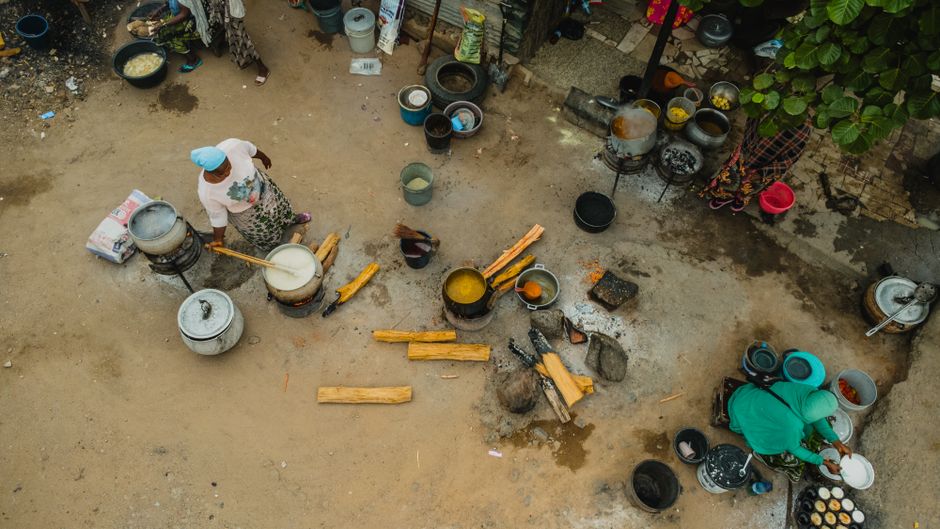
One of the key benefits of meal prep is batch cooking. Prepare large quantities of meals and portion them out for the week. This technique is perfect for soups and stews like Banga soup and Afang soup.
- Cook in bulk on weekends when you have more time.
- Use airtight containers to store individual portions.
- Label your meals with names and dates for easy identification.
Time Management: Efficient Kitchen Practices
Efficient meal prep requires good time management. Set aside specific times during the week dedicated to cooking and prep work.
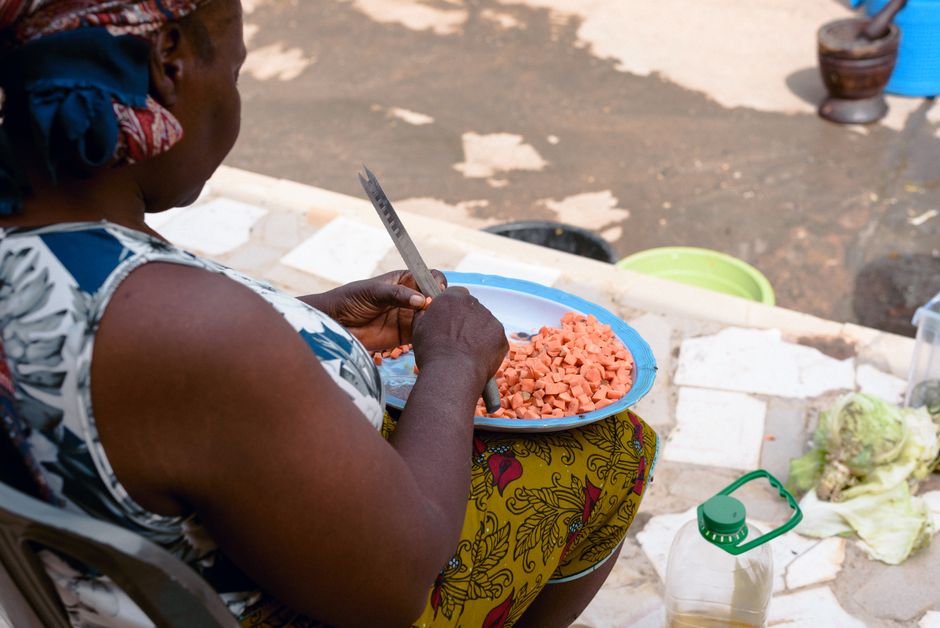
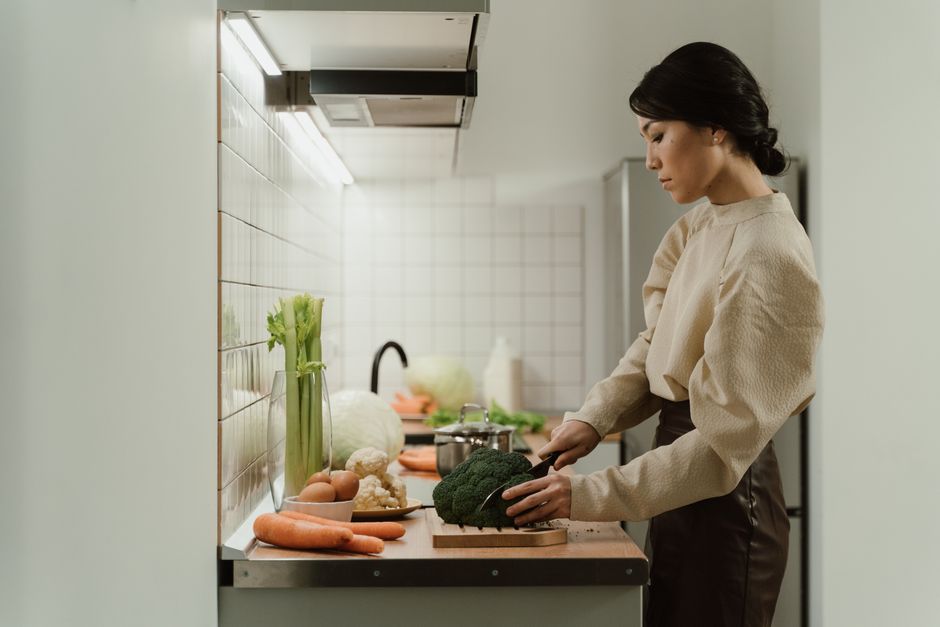
- Chop vegetables and marinate proteins in advance.
- Use kitchen gadgets like slow cookers or pressure cookers to save time.
- Clean as you cook to maintain a tidy workspace.
Storage Solutions for Nigerian Meals
Keeping Meals Fresh: Proper Storage Techniques
Proper storage is essential to keep your meals fresh and prevent spoilage. Nigerian dishes often have strong flavors that may intensify over time, so storing them correctly is key.
- Use glass containers for longer-lasting storage.
- Freeze meals that you plan to eat later in the week to retain freshness.
- Ensure your refrigerator is organized to easily see what you have.
Reheating: Maintain Flavor and Texture
Reheating your meals can be done in several ways to maintain their original taste and texture. Knowing the right method for each dish is important.
- Soups and stews can be reheated on the stove for even heating.
- Use a microwave for quick reheating but cover the food to prevent drying out.
- For fried foods, consider using an oven to regain their crispiness.
Overcoming Challenges in Nigerian Meal Prep
Dealing with Picky Eaters
Incorporating meal prep in a household with picky eaters can be challenging. However, it can also be an opportunity to introduce new foods gradually.
- Get your family involved in choosing meals and ingredients.
- Experiment by adding variety and new recipes each week.
- Keep portions small for new dishes to encourage tasting without pressure.
Adapting to Dietary Restrictions
If anyone in your family has dietary restrictions, meal prep can help ensure their needs are met without extra stress.
- Plan meals that can be easily adapted to include or exclude certain ingredients.
- Always have alternative ingredients on hand, like substitutes for common allergens.
- Label meals clearly to avoid confusion.
Conclusion
Meal prepping is a valuable practice that, when tailored to suit Nigerian cuisine, can dramatically enhance your kitchen efficiency and nutritional intake. With thoughtful planning, smart shopping, and strategic cooking, you can transform the way your family eats. Remember, the goal is to simplify your cooking process while ensuring that everyone enjoys delicious and healthy meals. So why not start today and embrace the art of Nigerian meal prep?