For many Nigerians, balancing the rich tapestry of traditional cuisine with modern dietary advice can be a thrilling yet challenging endeavor. The Nigerian diet is known for its vibrant flavors, hearty ingredients, and cultural significance, but how can one enjoy these meals while also focusing on health? Whether you're seeking to maintain a healthy weight, manage a medical condition, or simply eat better, understanding how to navigate Nigerian dietary habits is crucial. In this article, we'll explore practical tips for incorporating healthy eating practices into the Nigerian diet without sacrificing flavor or tradition.
Understanding the Nigerian Diet
Before diving into tips and strategies, it's essential to appreciate the unique aspects of the Nigerian diet. Typically characterized by a variety of starchy staples, leafy greens, and proteins, Nigerian cuisine is both diverse and delicious.
Staples and Their Nutritional Value
Yam, cassava, rice, and plantains dominate Nigerian meals. These carbohydrate-rich staples provide energy but require careful management to prevent overconsumption.
- Yam: Rich in carbohydrates and fiber, yams can be part of a balanced diet when complemented with proteins and vegetables.
- Cassava: A versatile root very common in Nigerian cooking. It must be processed properly to reduce its cyanide content.
Proteins and Legumes
Proteins such as chicken, beef, fish, and legumes like beans and lentils are crucial for maintaining muscle and overall health.
- Beans: High in protein and fiber, beans are an affordable source of nutrition.
- Fish: Particularly in coastal areas, fish provides essential fatty acids and omega-3s.
Essential Tips for Healthy Eating
Embracing healthy eating habits doesn't mean abandoning Nigerian cuisine. Instead, it's about making mindful choices and managing portion sizes.
Portion Control
One of the simplest ways to eat healthily is to focus on portion sizes. Nigerian dishes are often hearty, so consider using smaller plates to control portions without feeling deprived.
- Use smaller serving spoons to dish out food.
- Fill half your plate with vegetables at every meal.
Incorporating Vegetables
Vegetables are a cornerstone of healthy eating. Nigeria is blessed with a variety of leafy greens and colorful vegetables that can enhance meals.
- Spinach and Ugu: These leafy greens are rich in iron and vitamins.
- Include vegetables in stews and soups for added nutrients.
Meal Planning and Preparation
Planning your meals in advance can significantly impact your diet's healthiness, saving you time and reducing the temptation of unhealthy choices.
Weekly Meal Plans
Establish a weekly plan that includes a variety of foods. Balance your meals to include all food groups.
- Create a shopping list to avoid impulse buying.
- Prepare ingredients in bulk to ease weekday cooking.
Cooking Techniques
The way food is prepared can affect its nutritional content. Opt for healthier cooking methods whenever possible.
- Favor grilling, steaming, or boiling over frying.
- Use herbs and spices to add flavor without added sodium.
Embracing Local Ingredients
Support local agriculture by incorporating indigenous ingredients. This not only boosts the economy but also ensures freshness and nutrient retention.
Exploring Nigerian Markets
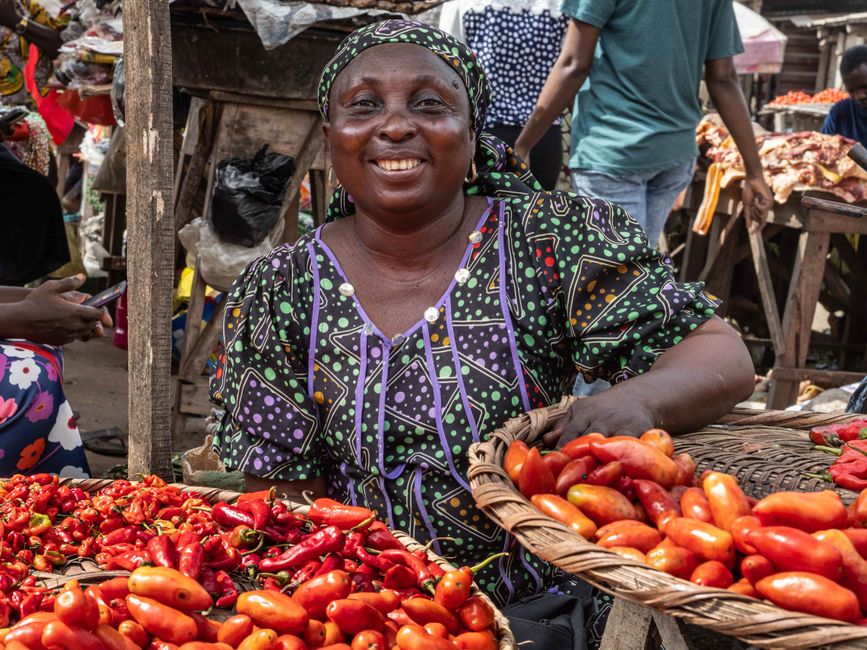
Markets in Nigeria offer a treasure trove of local produce. Shopping at these markets can inspire new recipes and contribute to a healthier diet.
- Engage with vendors to learn about seasonal produce.
- Experiment with unfamiliar ingredients to diversify meals.
Health Benefits of Local Foods
Many traditional ingredients are superfoods in their own right. Embrace these for their health benefits and cultural significance.
- Okra: High in fiber and antioxidants, it supports digestive health.
- Egusi: Provides healthy fats and is a delicious stew base.
By understanding and utilizing the nutritional power of local foods, you can enhance your diet and well-being.
Conclusion
Adopting healthy eating habits within the Nigerian diet is about balance, variety, and mindfulness. By embracing local ingredients, planning meals, and practicing portion control, you can enjoy the richness of Nigerian cuisine while supporting your health goals. With these tips, you're well on your way to a healthier lifestyle that honors tradition and promotes wellness.