In the hustle and bustle of daily life, finding time to cook nutritious meals can often feel like a daunting task. For many Nigerians, balancing work, family, and personal responsibilities leaves little room for elaborate meal planning. Enter meal prep — a practical solution that saves time, money, and stress, while ensuring you always have healthy meals on hand.
Meal prep isn't just a trend; it's a lifestyle change that can transform how you approach your diet. By dedicating a few hours each week to plan and prepare your meals, you can enjoy the peace of mind that comes with knowing your nutrition is taken care of, even on the busiest days. In this guide, we'll explore meal prep strategies tailored specifically for the Nigerian diet, using local ingredients and flavors you love.
Understanding Meal Prep
What is Meal Prep?
Meal prep involves planning, cooking, and storing meals in advance. This could mean preparing full meals for the week, or prepping ingredients that make it quicker to cook fresh meals daily. The goal is to reduce the time and effort spent cooking each day, without compromising on nutrition or taste.
Benefits of Meal Prep
- Time-saving: Spend less time in the kitchen on weekdays.
- Cost-effective: Buy ingredients in bulk and reduce food waste.
- Healthier choices: Control portions and use fresh ingredients.
- Stress reduction: Eliminate daily cooking decisions.
Getting Started with Nigerian Meal Prep
Choosing the Right Ingredients
Start with staple Nigerian ingredients such as rice, beans, yams, plantains, and various vegetables. These provide a nutritious base for many meals and can be seasoned in countless delicious ways.
Simple Meal Prep Techniques
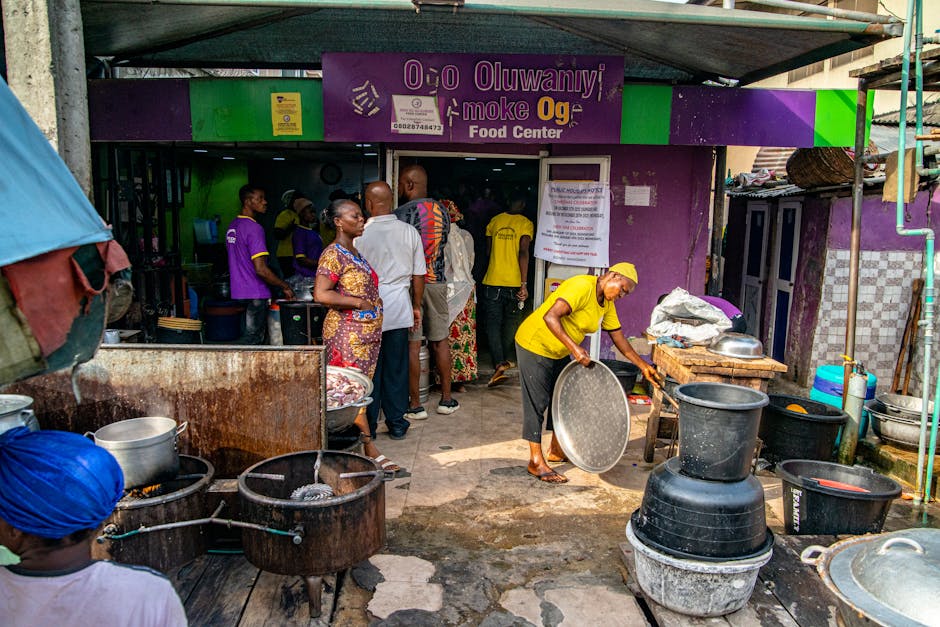
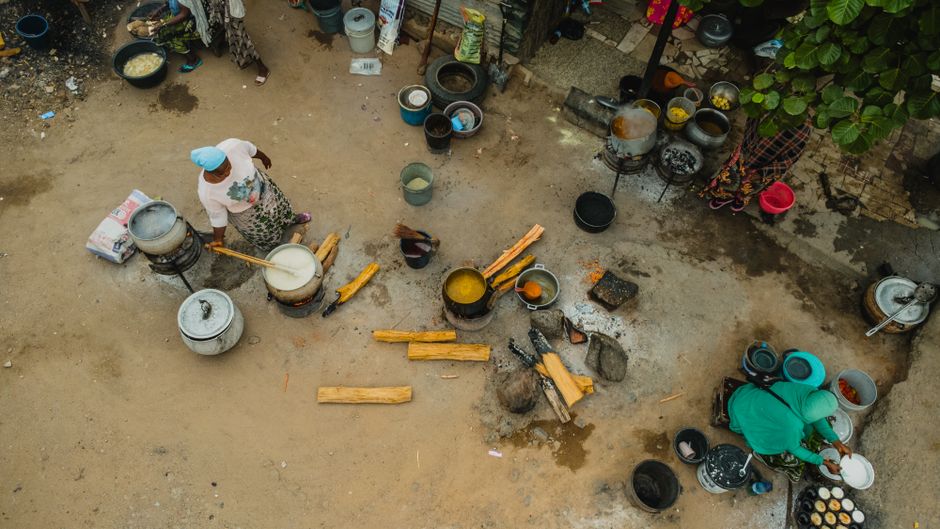
- Batch Cooking: Prepare large quantities of basics like jollof rice or egusi soup, then portion and store.
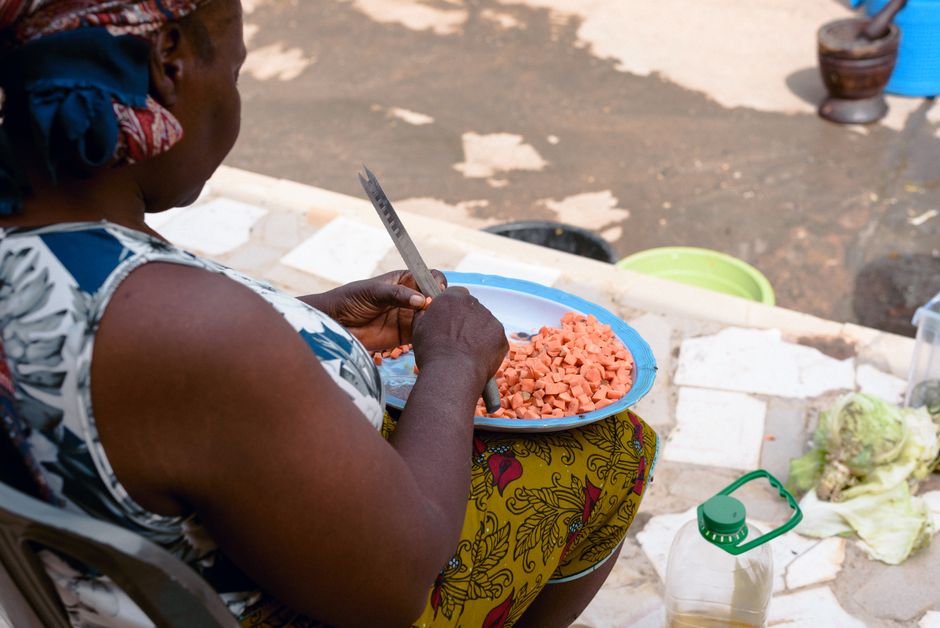
- Ingredient Prep: Chop and store vegetables like carrots, peppers, and onions in airtight containers, ready to be used throughout the week.
- Freezing: Cooked stews and soups can be frozen in portions, preserving flavor and nutrition.
Planning Your Weekly Meals
Creating a Meal Plan
Begin with a simple plan. Choose two or three proteins (such as chicken, fish, or beans), a couple of grains (like rice or quinoa), and a variety of vegetables. Mix and match these throughout the week to keep your meals exciting.
Using Local Flavors
Enhance your meals with Nigerian spices and herbs. Experiment with ginger, garlic, thyme, and cayenne pepper to add depth and richness to your dishes.
Overcoming Meal Prep Challenges
Time Management
Dedicate a specific day for meal prep, such as Sunday. Use this day to cook, portion, and store your meals, freeing up the rest of your week.
Storage Solutions
- Refrigeration: Store meals for the week in airtight containers.
- Freezing: For longer storage, freeze meals in portion-sized containers and thaw as needed.
- Labeling: Clearly mark containers with contents and dates to avoid confusion.
Maintaining Nutrition and Variety
Balancing Your Diet
Ensure each meal includes a balance of macronutrients: carbohydrates, proteins, and fats. This balance will keep you energized and satisfied.
Variety is Key
Change up your recipes and try new combinations of ingredients to keep your meals exciting. Consider swapping regular rice with brown rice, or incorporating more leafy greens into your diet.
"Meal prep is more than just preparing food; it's about setting yourself up for a week of success and health."
— Nutritionist Nkechi Oyele
Final Thoughts
Meal prep tailored to the Nigerian diet can revolutionize your approach to nutrition. Not only does it simplify your weekly routine, but it also ensures you enjoy hearty, homemade meals infused with flavors you love. By investing a little time upfront, you can reap the rewards of a healthier, more organized lifestyle that leaves you more time to focus on what truly matters.