Meal prepping can be a game-changer, especially for busy Nigerians striving to maintain a balanced diet amidst hectic schedules. Imagine having delicious, healthy meals ready to go, without the daily stress of cooking after a long day. Not only does it save time, but it also helps in maintaining portion control and reducing food wastage. Whether you're juggling work, family, or both, mastering meal prep can lead to a healthier, more organized lifestyle.
In this article, we'll delve into practical meal prep tips specifically tailored for Nigerian dietary preferences, taking into account local ingredients, cultural flavors, and common challenges faced by individuals in Nigeria. Get ready to transform your kitchen routine!
Understanding Nigerian Dietary Preferences
Staple Foods in the Nigerian Diet
Nigerians have a rich culinary heritage with staple foods such as rice, yams, beans, plantains, and various soups and stews. Rice is often a centerpiece in many meals, enjoyed with different sauces and proteins. Yams and plantains also play significant roles, offering versatility in preparation from boiling to frying.
Nutritional Needs and Meal Balance
A balanced Nigerian meal usually consists of carbohydrates, proteins, and vegetables. For example, a typical meal might include jollof rice, grilled chicken, and a side of steamed vegetables. Understanding this balance is crucial for effective meal prep, ensuring that your meals are both nutritious and culturally satisfying.
Setting Up Your Meal Prep Plan
Start with a Meal Plan
Creating a meal plan is the foundation of effective meal prep. Consider your weekly schedule, dietary requirements, and preferred dishes. Plan for at least one week at a time, and be realistic about your cooking capabilities and time constraints.
- Choose dishes that share ingredients to minimize waste.
- Include a variety of meals to prevent monotony.
- Plan for leftovers to save time and resources.
Shopping Smart: Local Markets and Supermarkets
Shopping efficiently is key to successful meal prep. Visit local markets for fresh produce, where you can find affordable and organic options. Supermarkets are great for bulk items like rice, beans, and spices.
Expert Tip: "Buy in bulk and split costs with friends or family to save money and reduce food waste."
Meal Prep Techniques
Batch Cooking Basics
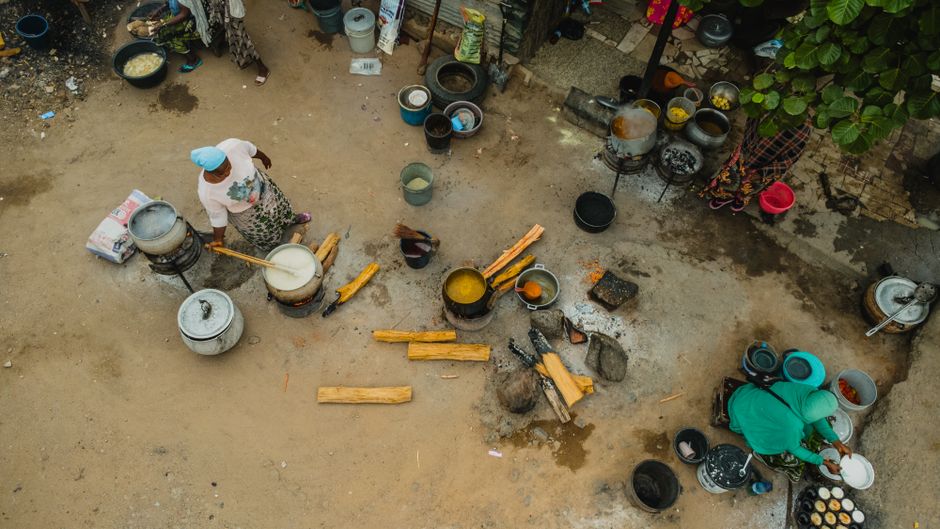
Batch cooking involves preparing large quantities of a single food or dish at once. This method is ideal for foods like stews, grilled chicken, and rice dishes, which can be refrigerated or frozen for later use.
Prepping Ingredients Ahead of Time
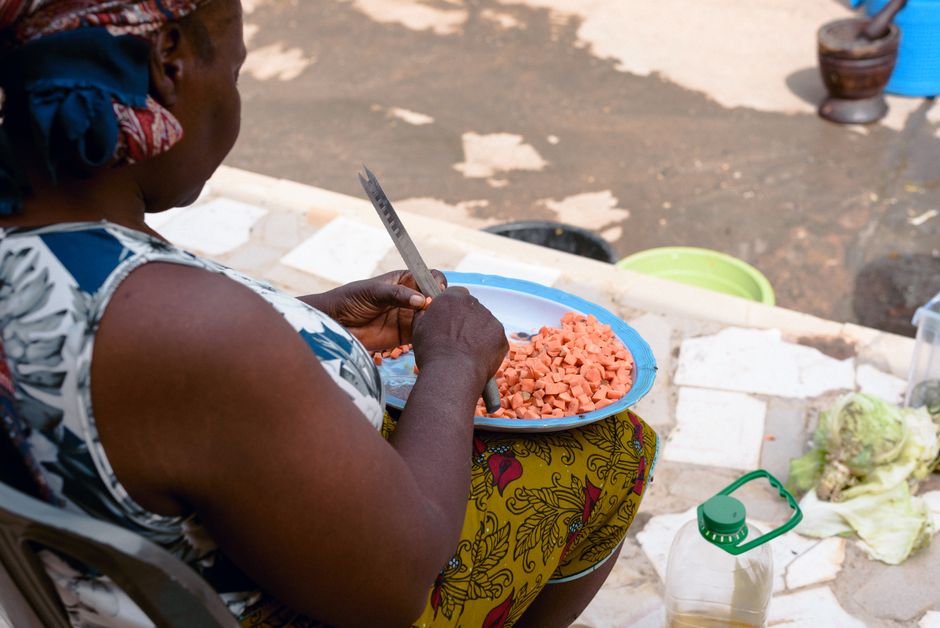
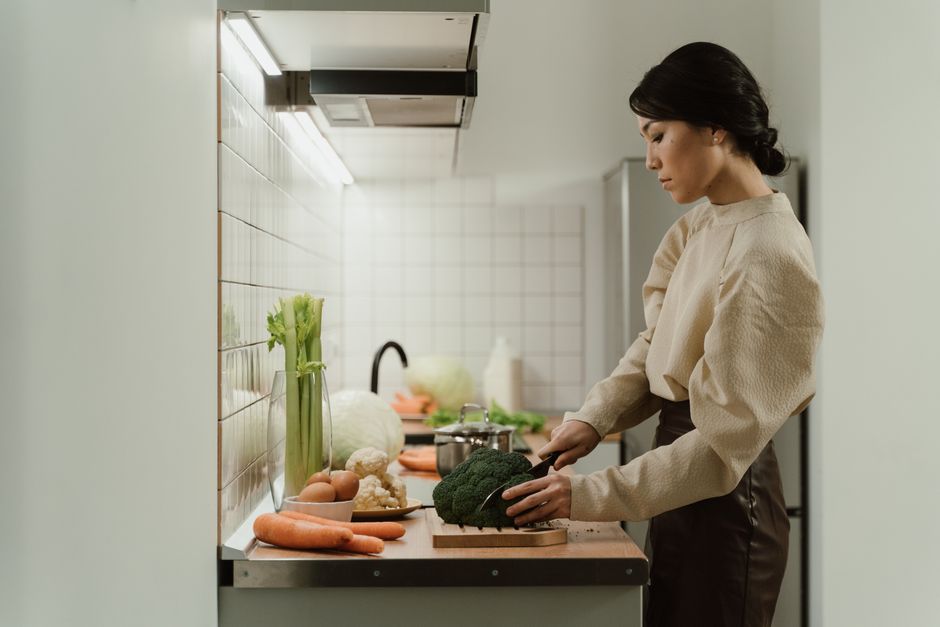
Chop vegetables, marinate proteins, and measure out spices ahead of time to streamline your cooking process. Use airtight containers to maintain freshness and organization.
- Store chopped vegetables in clear containers for easy identification.
- Label containers with dates to track freshness.
- Freeze herbs in olive oil to preserve flavor.
Storage Solutions and Safety
Choosing the Right Containers
Investing in quality containers is crucial for maintaining the freshness of your prepped meals. Choose containers that are BPA-free and microwave-safe, and consider compartmentalized options for portion control.
Proper Food Storage Techniques
Store meals in the refrigerator for short-term use and in the freezer for meals intended for later in the week. Adhere to food safety guidelines to prevent spoilage and maintain nutritional value.
Key Takeaway: "Rotate your meals to ensure older prepped meals are consumed first, reducing the risk of spoilage."
Incorporating Nigerian Flavors in Meal Prep
Spices and Seasonings
The vibrant flavors of Nigerian cuisine come from a rich array of spices and seasonings such as thyme, curry powder, and suya spice. Incorporate these flavors into your meal prep to keep your meals exciting and culturally authentic.
Experimenting with Traditional Recipes
Don't shy away from traditional recipes. Many can be adapted for meal prep, like making a large batch of egusi soup to pair with different proteins throughout the week.
Conclusion
Meal prepping tailored to Nigerian diets presents a practical solution for maintaining a nutritious lifestyle amidst the hustle and bustle of daily life. By understanding local dietary preferences, planning effectively, and utilizing smart storage solutions, you can enjoy delicious, homemade meals every day. Start small, be consistent, and watch as meal prep transforms both your kitchen and your well-being.