Meal prep is more than just a trend; it's a lifesaver for busy Nigerians who want to enjoy home-cooked, nutritious meals daily. By planning ahead, you not only save time but also reduce stress and waste. Imagine opening your fridge and seeing neatly packed containers filled with delicious jollof rice, spicy suya, or savory egusi soup, ready to eat in minutes. Sounds like a dream? Let's make it a reality!
In this guide, we dive deep into the art of meal prepping specifically tailored for the vibrant flavors and textures of Nigerian cuisine. Whether you're a busy professional, a student, or a multitasking parent, these strategies will simplify your cooking routine without sacrificing the rich tastes you love.
Understanding the Basics of Meal Prep
What is Meal Prep?
Meal prep involves preparing ingredients or entire meals in advance. This could mean chopping vegetables, marinating meats, or cooking full dishes ahead of time.
It's a strategic approach to cooking that maximizes efficiency and minimizes daily kitchen time.
Why Meal Prep?
- Time-Saving: Spend one day prepping to free up your weekdays.
- Cost-Effective: Buying in bulk and avoiding takeout saves money.
- Healthier Choices: Control ingredients and portion sizes.
Getting Started with Nigerian Meal Prep
Stock Up on Essentials
Your meal prep success starts with a well-stocked pantry. Essential Nigerian ingredients like rice, beans, spices, and palm oil should always be on hand.
"Having a pantry filled with staples ensures you're never caught off guard."
Plan Your Meals
Decide on the meals you want for the week. Consider a mix of protein, grains, and vegetables for balanced nutrition.
- Example Weekly Plan: Monday - Jollof rice, Tuesday - Egusi soup with fufu, Wednesday - Grilled fish, etc.
Preparing Ingredients Ahead
Chopping and Marinating
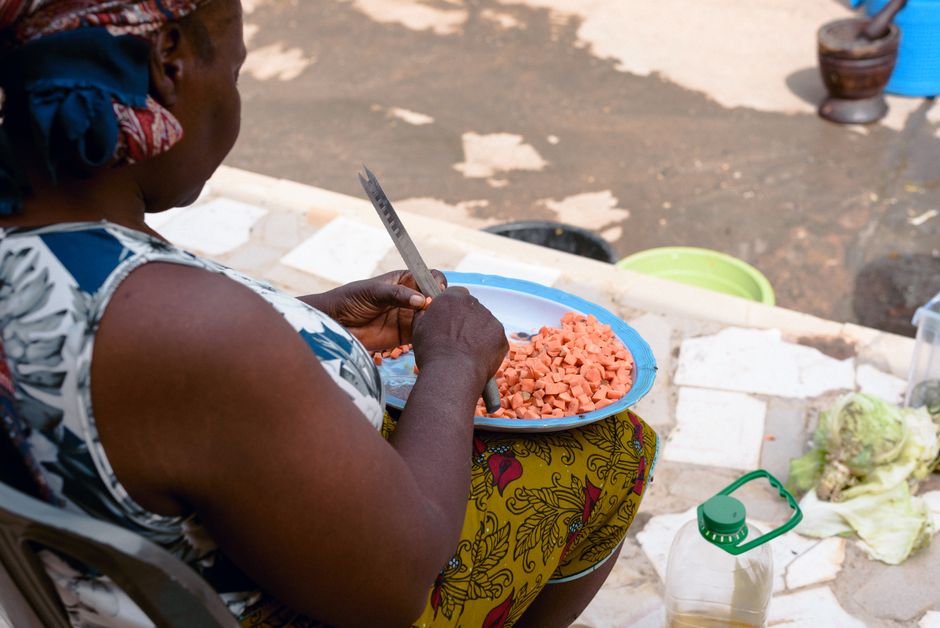
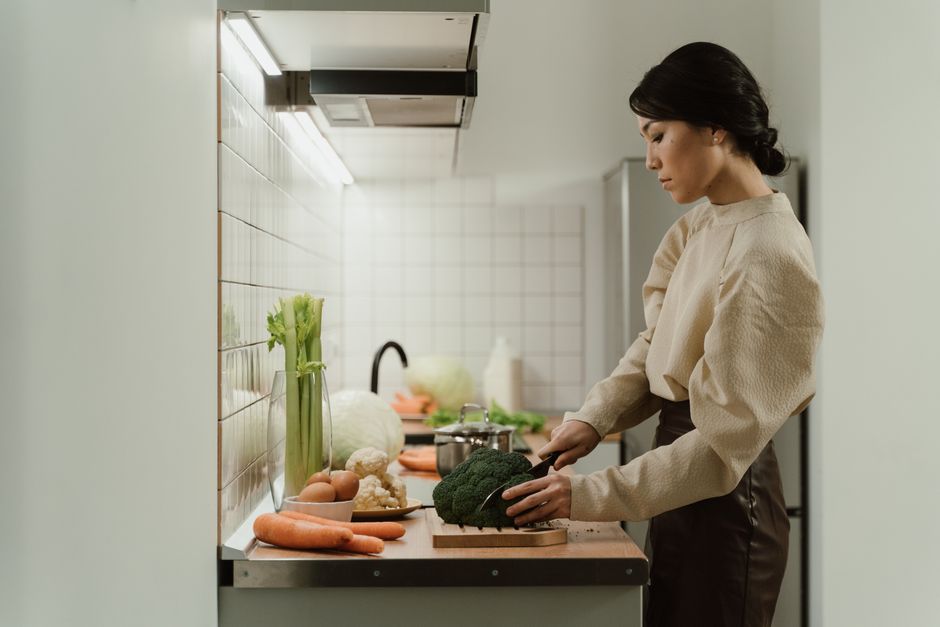
Chop onions, peppers, and tomatoes in bulk. Store them in airtight containers to use throughout the week.
Marinating meats like chicken or beef in advance infuses flavors and tenderizes the proteins.
Batch Cooking
Cook large batches of beans or rice and portion them into single servings. This method not only saves time but also ensures consistency in flavor.
- Use the pot-in-pot method for cooking multiple items simultaneously.
Storage Tips for Freshness
Choosing the Right Containers
Invest in quality containers that are microwave safe and have tight-sealing lids to keep your meals fresh.
"Glass containers are eco-friendly and don't retain odors like plastic ones do."
Freezing and Reheating
For meals that won't be consumed soon, freezing is an excellent option. Label each container with the date and contents.
- Reheat meals thoroughly to avoid foodborne illnesses.
Overcoming Common Meal Prep Challenges
Dealing with Repetition
Avoid meal fatigue by varying your menu. Introduce different spices or sides to make each meal exciting.
Staying Motivated
Turn meal prep into a family activity. Involve children or partners in the process to lighten the load and make it fun.
Remember, the effort put into meal prep is rewarded with stress-free, tasty meals all week long.
Conclusion
Meal prepping is a game-changer for anyone looking to simplify their cooking routine without compromising on the flavors and healthiness of Nigerian dishes. By following these strategies, you not only bring convenience to your kitchen but also ensure that you're enjoying home-cooked meals bursting with familiar tastes. Start small, build your confidence, and soon enough, you'll be a meal prep master, ready to inspire others with your culinary efficiency!