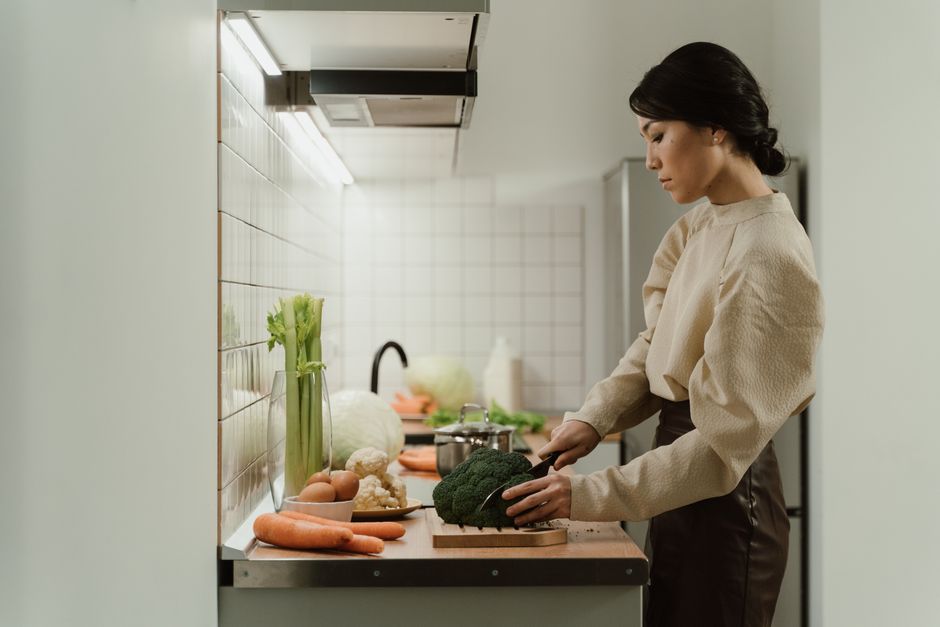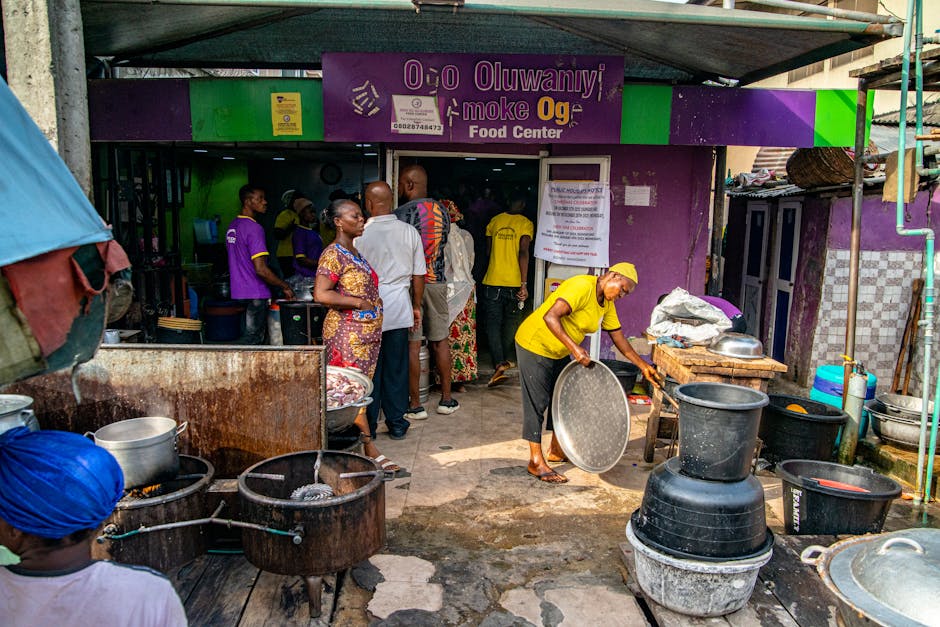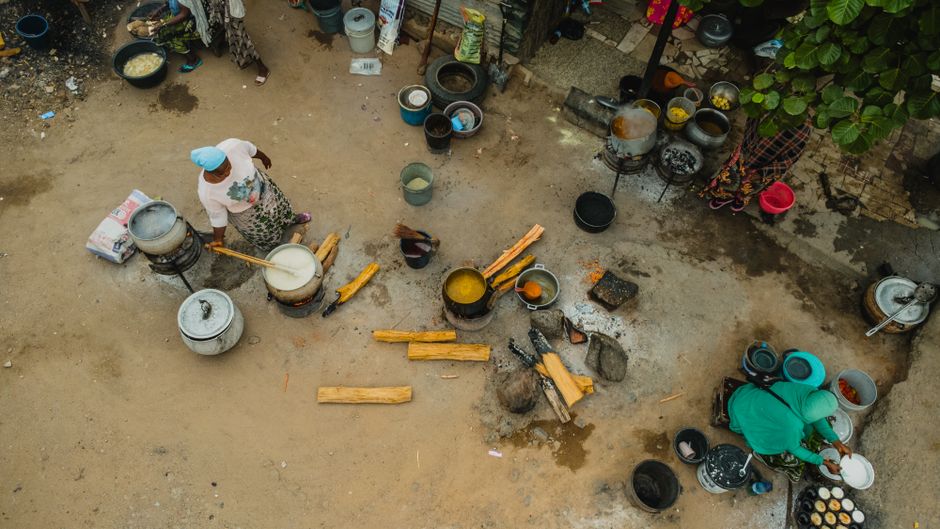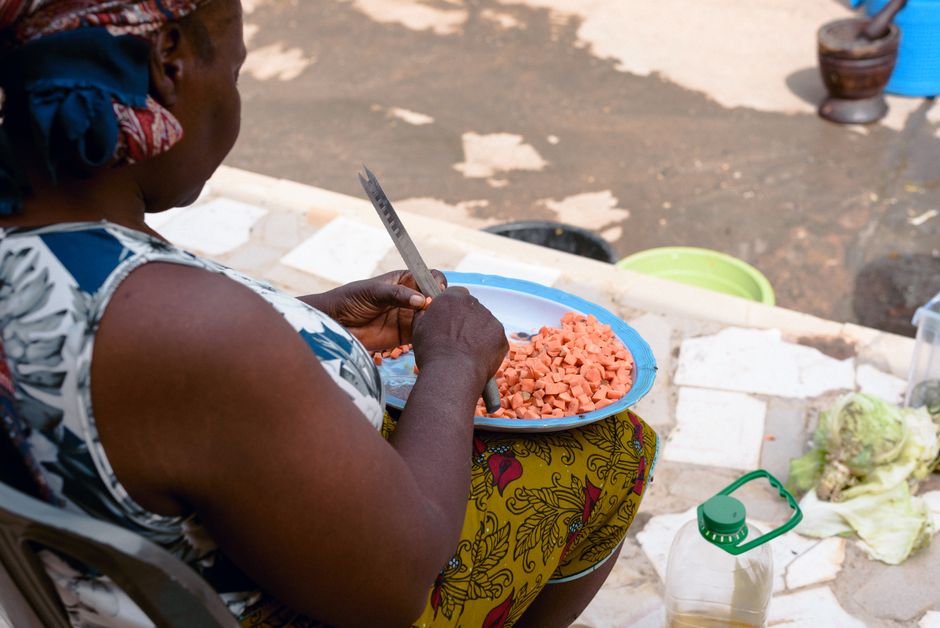
In today's fast-paced world, balancing work, family, and personal time can be quite a challenge, especially when it comes to maintaining a healthy diet. For many Nigerians, the solution lies in effective meal prep. This practice not only saves time but also ensures that you have nutritious meals ready whenever you need them. Whether you're a busy professional or a parent juggling multiple responsibilities, meal prepping can be a game-changer in achieving your dietary goals.
The beauty of meal prepping is in its simplicity and efficiency. With a bit of planning, you can enjoy delicious, home-cooked meals every day. But what exactly does meal prepping entail, and how can you tailor it to suit a typical Nigerian diet? In this comprehensive guide, we'll dive into everything you need to know to master the art of meal prep while embracing the rich culinary traditions of Nigeria.
Understanding Meal Prep Basics
Before you start, it's important to understand the fundamentals of meal prepping. The concept revolves around the idea of preparing meals or meal components ahead of time, so you're never caught off-guard during meal times.
Benefits of Meal Prep
- Time-saving: By dedicating a few hours once or twice a week, you can significantly cut down on daily cooking time.
- Cost-effective: Planning meals in advance helps you buy only what you need, reducing food waste and grocery bills.
- Nutritional balance: Prepping meals allows you to plan balanced portions, ensuring adequate nutrient intake.
- Stress reduction: Knowing your meals are sorted reduces daily stress and decision fatigue.
Essential Meal Prep Tools
Investing in the right tools can make meal prep more efficient. Consider items like quality food storage containers, a sharp set of knives, and a slow cooker for stews and soups.
Navigating Nigerian Cuisine in Meal Prep
Traditional Nigerian meals are rich and diverse, offering a variety of flavors and textures. Incorporating these into your meal prep can be both rewarding and delicious.
Key Ingredients
- Staples: Yams, plantains, rice, and beans are great for bulk cooking and storing.
- Proteins: Stock up on chicken, fish, and legumes like black-eyed peas for protein-rich meals.
- Vegetables: Leafy greens like ugu and bitter leaf add essential nutrients.
Recipe Ideas
- Jollof Rice: A classic dish that can be cooked in large batches and stored for several meals.
- Egusi Soup: This hearty soup can be refrigerated and paired with different side dishes.
- Moi Moi: These steamed bean cakes make for a protein-packed addition to any meal.
Planning Your Meal Prep Routine
Creating a successful meal prep routine involves a bit of planning. Start by setting aside a specific day for prepping your meals, ideally when you have a few free hours.
Weekly Meal Planning
Take time to plan your meals for the week. Consider your schedule and the days you'll have less time to cook, ensuring you have meals ready for those days.
Batch Cooking Techniques
Batch cooking is a cornerstone of meal prep. Cook large quantities of items like rice, beans, or stews, and portion them out for the week.
Maintaining Variety and Enjoyment
One of the challenges of meal prep is avoiding repetition. No one wants to eat the same thing every day, so it's crucial to maintain variety.
Mix and Match
Prepare a few different proteins, grains, and vegetables. Mix and match these components throughout the week for diverse meals.
Spice It Up
Don't skimp on spices and herbs. Nigerian cuisine is known for its bold flavors, so use spices to keep your meals exciting.
Storing and Reheating Your Prepped Meals
Proper storage is key to maintaining freshness and flavor. Use airtight containers and store meals in the refrigerator or freezer as needed.
Best Practices for Storage
- Refrigeration: Most prepped meals can last 3-5 days in the fridge.
- Freezing: Foods like soups and stews can be frozen for up to three months.
- Labeling: Clearly label containers with the date of preparation to keep track of freshness.
Reheating Tips
Reheat meals evenly by stirring occasionally and adding a splash of water or broth to retain moisture, especially for rice and stews.
Conclusion
Mastering meal prep can transform the way you approach your diet, providing a seamless blend of convenience and nutrition. By integrating meal prep into your lifestyle, you can enjoy the rich flavors of Nigerian cuisine without the daily hassle. Remember, the key to successful meal prep is consistency and creativity. Take the time to experiment with different recipes and techniques, and soon you'll wonder how you ever managed without it.