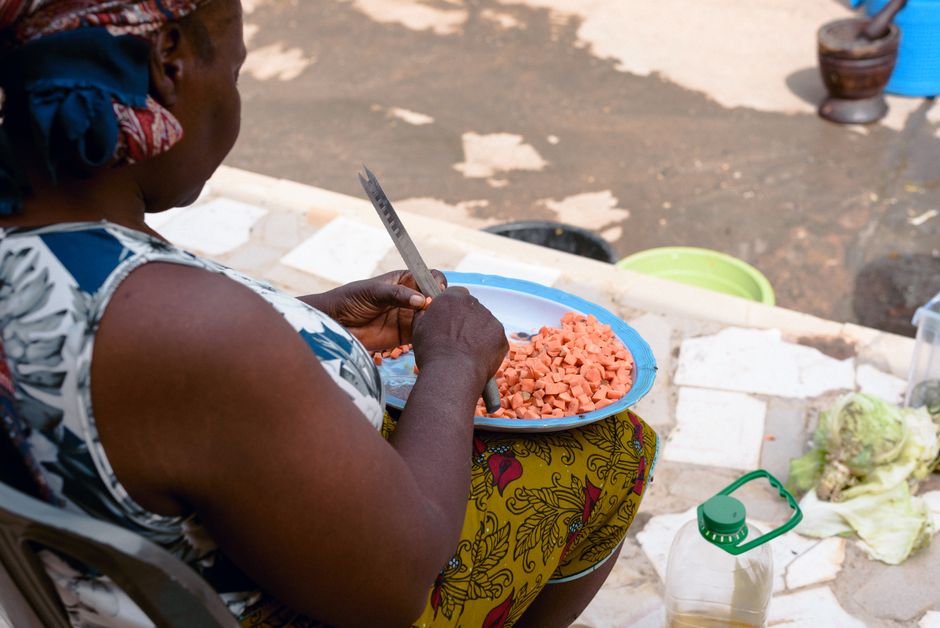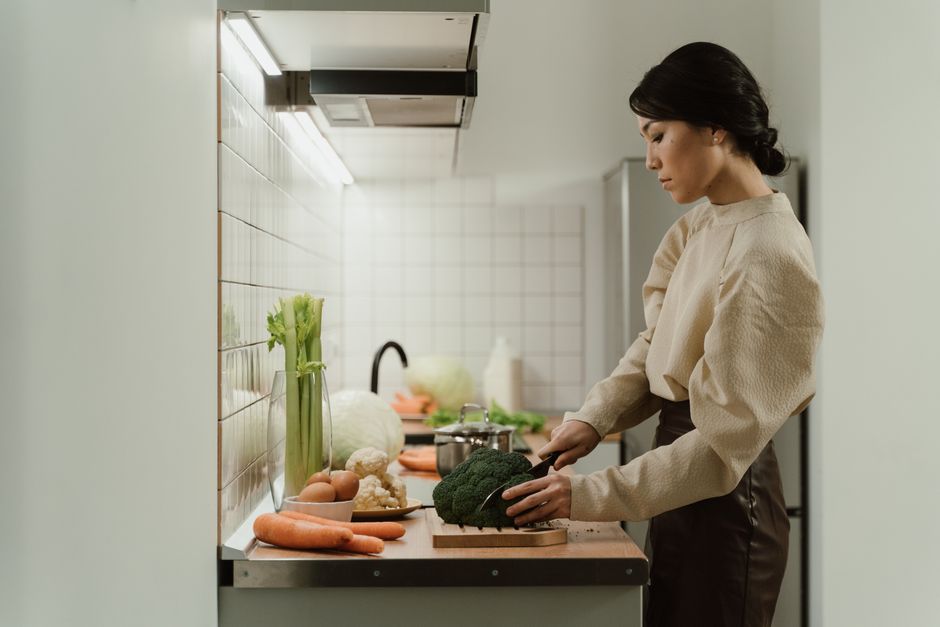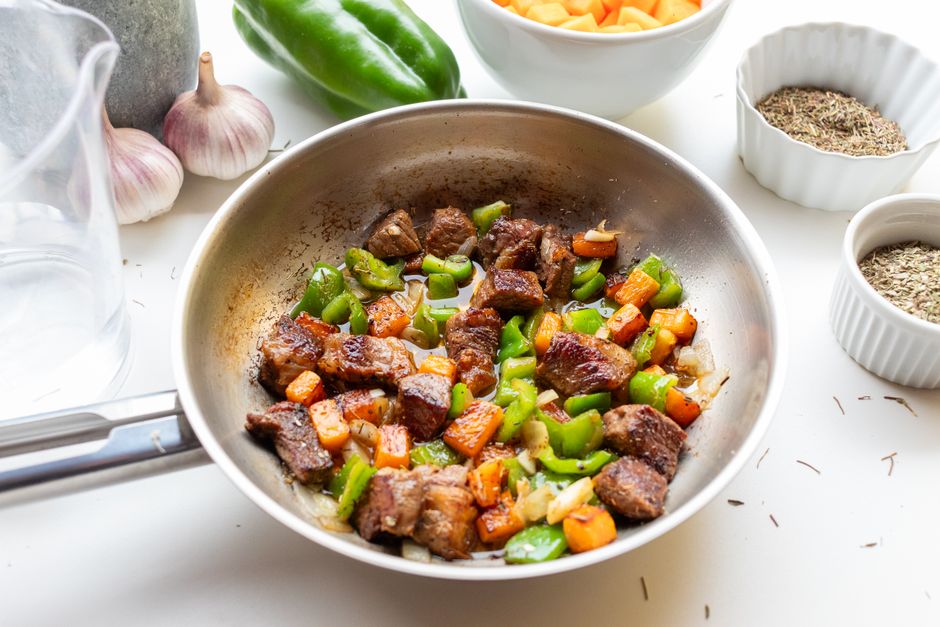
Incorporating healthy eating habits into your daily routine can often feel like an overwhelming task. However, there's a simple and efficient strategy to make this process smoother: meal prepping. Whether you're looking to save time, eat healthier, or manage your food budget better, meal prep is a game-changer. For Nigerians, who enjoy a rich and diverse culinary culture, meal prep tailored to local ingredients and recipes can lead to a more balanced diet and lifestyle.
Meal prepping doesn't have to mean eating bland, repetitive meals. In fact, it can be an exciting way to enjoy your favorite Nigerian dishes while ensuring you're consuming a variety of nutrients. Imagine transforming your love for jollof rice, egusi soup, or akara into meal prep specials that keep you satisfied and healthy all week long. Let's dive into some practical strategies for meal prepping with a Nigerian twist.
Understanding the Basics of Meal Prep
Before diving into the specifics, it's important to understand what meal prepping entails. Essentially, it's the process of planning and preparing meals in advance. This could mean cooking entire meals or preparing ingredients for easy assembly later. By making a plan, you minimize waste, save time, and ensure you're eating a variety of food groups.
Benefits of Meal Prepping
- Time-saving: Spend less time cooking during the week.
- Cost-effective: Reduces impulse buying and food waste.
- Healthier choices: Ensures balanced and nutritious meals.
"Meal prep is not just about convenience. It's a lifestyle that promotes better nutrition and sustains health." - Nigerian Nutritionist
Tools Needed for Effective Meal Prep
To start meal prepping efficiently, you need the right tools. Consider investing in quality containers, a food scale for portion control, and a sharp set of knives. These tools make prepping easier and more organized.
Planning Your Nigerian Meal Prep
Planning is the backbone of successful meal prepping. Start by listing your favorite Nigerian dishes and thinking about how they can be incorporated into your weekly menu. Reflect on the types of ingredients you have access to and your dietary needs.
Create a Weekly Menu
Begin with a simple plan. Choose balanced meals with a variety of proteins, vegetables, and carbohydrates. Popular dishes like moi moi, pepper soup, or suya can be integrated into your weekly menu.
- Proteins: Opt for chicken, fish, or beans.
- Vegetables: Incorporate spinach, tomatoes, and okra.
- Carbohydrates: Include rice, yam, and plantains.
Shopping for Meal Prep
Once your menu is set, write a detailed shopping list. Prioritize fresh, seasonal produce available in local markets. This not only supports local farmers but also ensures you're getting the freshest ingredients.
"Shopping with a list not only saves money but ensures you select nutritious options." - Local Market Expert
Cooking and Storing Nigerian Dishes
Cooking in bulk is a cornerstone of meal prepping. Prepare large batches of your chosen dishes, like stews or soups, and portion them out for the week. This means fewer hours in the kitchen and more free time.
Batch Cooking Techniques
Focus on recipes that can be cooked in large quantities without losing flavor. Stews, soups, and baked dishes are ideal for this. Remember to adjust spices and seasoning to maintain the authentic taste of Nigerian cuisines across several reheats.
Proper Storage
Proper storage is key to maintaining freshness. Use airtight containers and store meals in the refrigerator or freezer. Labeling each container with the date and contents helps track freshness and reduces food waste.
Incorporating Variety and Balance
One concern with meal prep is the potential for repetitive meals. To combat this, ensure a diverse range of foods and flavors in your prep process. This not only keeps your palate excited but also ensures a balanced diet.
Experiment with Flavors
Feel free to swap spices or try new combinations. If you love peppery dishes, introduce variations by switching up the types of peppers or adding different herbs.
Balancing Nutritional Needs
A balanced diet is essential for maintaining energy and health. Ensure each meal includes a proper balance of macronutrients: proteins, fats, and carbohydrates, alongside the rich flavors Nigeria is known for.
Conclusion
Meal prepping isn't just a trend; it's a practical approach to achieving a healthier lifestyle. For Nigerians, it means enjoying the flavors and diversity of local cuisine while ensuring nutritional balance and saving time. By incorporating these strategies into your routine, you can enjoy delicious, home-cooked meals without the daily stress of planning and cooking. Start small, be creative, and watch as meal prep transforms your eating habits and overall health.