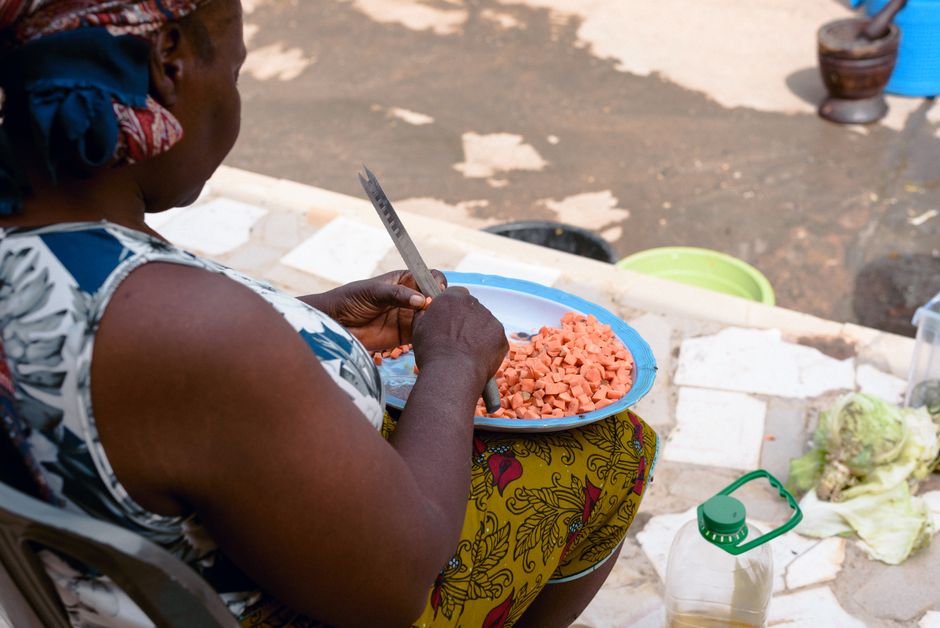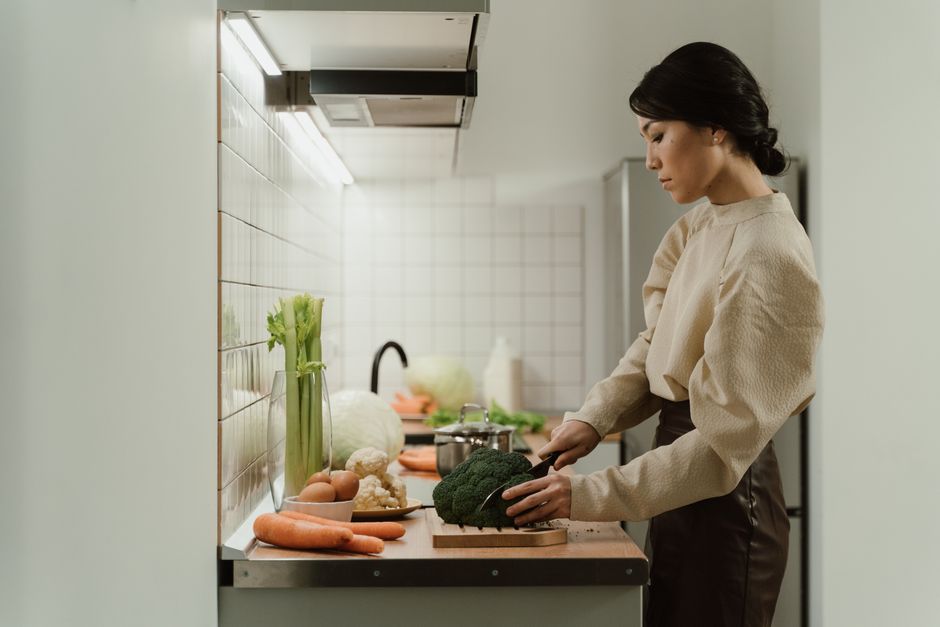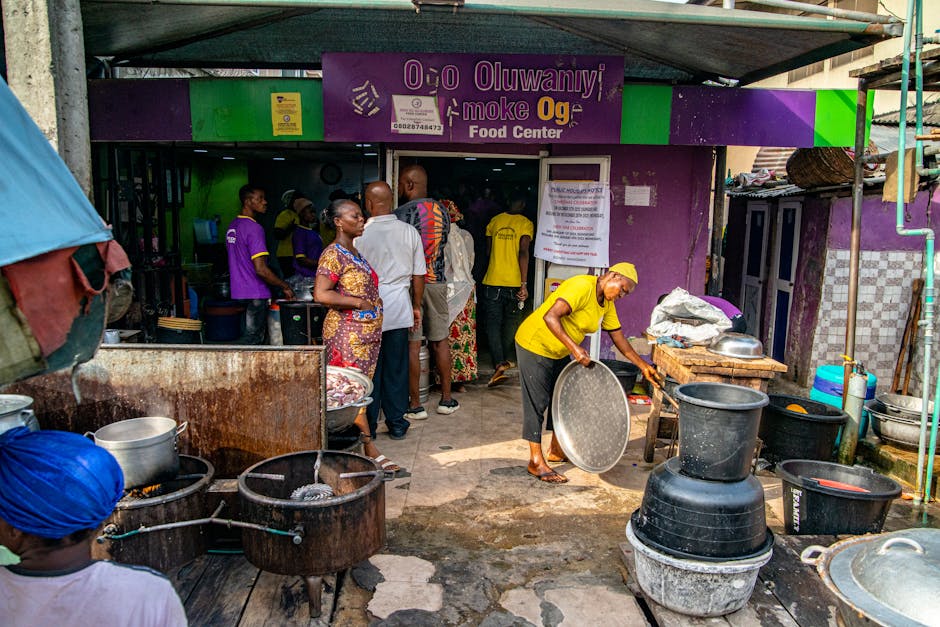
In today's fast-paced world, finding the time to cook healthy meals can be a real challenge, especially for those of us balancing work, family, and social commitments. But what if there was a way to streamline the process, save time, and still enjoy nutritious home-cooked meals? Enter meal prepping. Meal prepping is a game-changer, particularly for busy Nigerians striving to maintain a balanced diet despite hectic schedules. By investing a little time upfront, you can set yourself up for success with ready-to-eat, healthy meals all week long.
For those unfamiliar with the concept, meal prepping involves preparing meals or meal components in advance, often in large batches, so that you can enjoy home-cooked food even on the busiest days. It’s about being strategic and organized, ensuring you always have something nutritious to eat without the daily grind of cooking. So, how do you get started? Let’s dive into practical meal prep tips specifically tailored for Nigerians!
Understanding the Basics of Meal Prep
Before diving into the details, it's important to understand what meal prepping truly entails. At its core, it's all about planning and preparing meals or snacks ahead of time to save both time and stress during the workweek.
Why Meal Prep?
- Convenience: Having meals ready to go can drastically reduce the time you spend cooking each day.
- Healthier Choices: Meal prepping allows you to control ingredients and portion sizes, promoting healthier eating habits.
- Cost-Effective: Purchasing ingredients in bulk and reducing food waste can lead to significant savings.
- Stress Reduction: Knowing what you'll eat in advance can reduce the anxiety associated with daily meal planning.
Common Misconceptions
Some people think meal prep means eating the same meal every day or investing an entire weekend in the kitchen. However, with the right strategies, it can be varied and efficient.
"Meal prepping isn't about eating bland, repetitive meals; it's about smart planning to enjoy delicious diversity efficiently."
Getting Started with Meal Prep
For Nigerians, meal prep can be adapted to incorporate local ingredients and traditional flavors. Here’s how you can begin:
Choose Your Meals Wisely
Start by deciding which meals are most beneficial to prep. Breakfasts and lunches are great starting points, especially if mornings are hectic and lunch options at work are limited.
Plan Your Menu
Think about a week’s worth of meals. Incorporate dishes that complement each other and share similar ingredients for efficiency. Consider a mix of proteins, carbohydrates, and vegetables to balance the diet.
Shopping List Essentials
- Make a list of ingredients based on your planned menu.
- Buy in bulk where possible to reduce cost.
- Choose fresh, seasonal produce for the best flavor and nutrition.
Efficient Meal Prep Techniques
Now that you have a plan and the necessary ingredients, it's time to get prepping. Here are techniques to maximize efficiency:
Batch Cooking
Cook large portions of staple foods such as rice, beans, or stews. These can be refrigerated or frozen and used throughout the week.
Multi-Purpose Ingredients
Prepare versatile ingredients that can be used in various meals. For example, grilled chicken can be used in salads, wraps, or with rice dishes.
Proper Storage
Invest in quality airtight containers. Label each with contents and the date prepared to keep track of freshness.
"Airtight containers and proper labeling are key to maintaining the quality and safety of prepped meals."
Incorporating Nigerian Flavors
Meal prep doesn't mean abandoning traditional Nigerian flavors. You can easily incorporate beloved dishes into your routine.
Traditional Nigerian Dishes
- Jollof Rice: Prepare a large batch and enjoy it with different proteins throughout the week.
- Egusi Soup: Make a pot and serve with swallow like eba or pounded yam.
- Moi Moi: Cook in advance and pair with rice or bread.
Adapting Recipes for Prep
Adjust recipes for simplicity. For instance, when making soups, consider using slow cookers to reduce active prep time.
Maintaining Nutrition and Variety
Variety is crucial to prevent meal prep fatigue. Here’s how to keep your meals interesting:
Rotate Ingredients
Every week, change up your proteins and vegetables. This keeps meals fresh and ensures a wide nutrient intake.
Explore New Recipes
Try integrating one new recipe each week. This not only broadens your skills but also keeps your palate excited.
"Rotating ingredients and exploring new recipes are effective ways to keep meal prep exciting and nutritionally balanced."
Conclusion
Meal prepping can transform your approach to eating, making it easier to maintain a healthy, balanced diet even with a busy lifestyle. By planning and preparing meals ahead of time, you can save money, reduce stress, and ensure you’re eating nutritious, home-cooked food. With these tips and the flexibility to include beloved Nigerian dishes, meal prepping can be a sustainable, enjoyable practice for anyone. Start small, stay organized, and watch how this simple habit improves your daily routine.