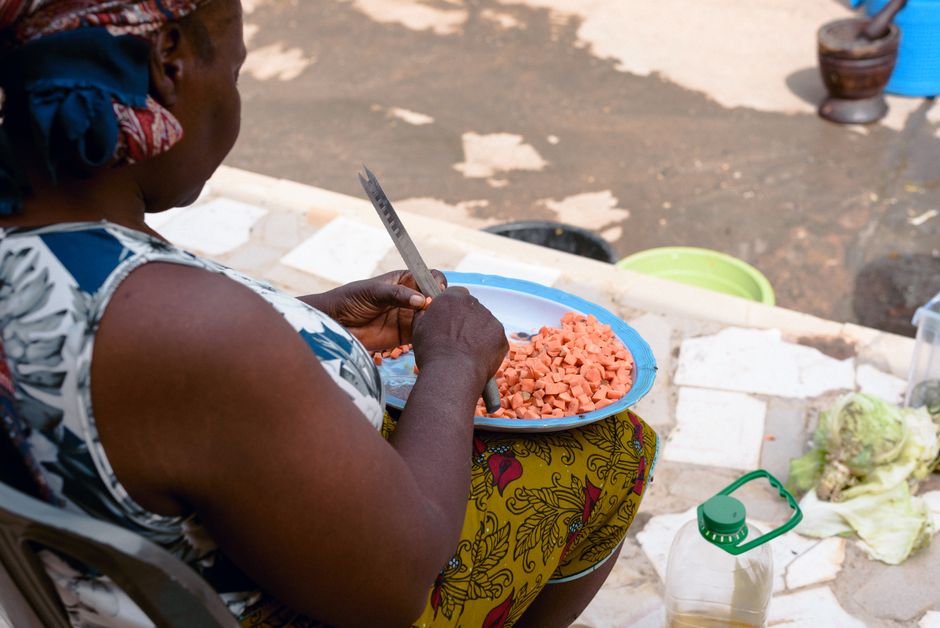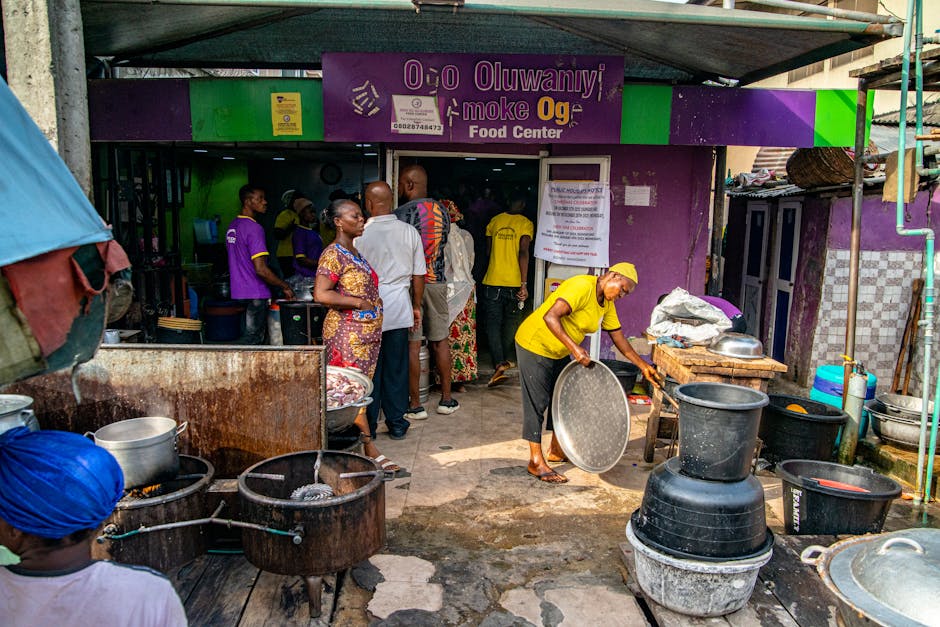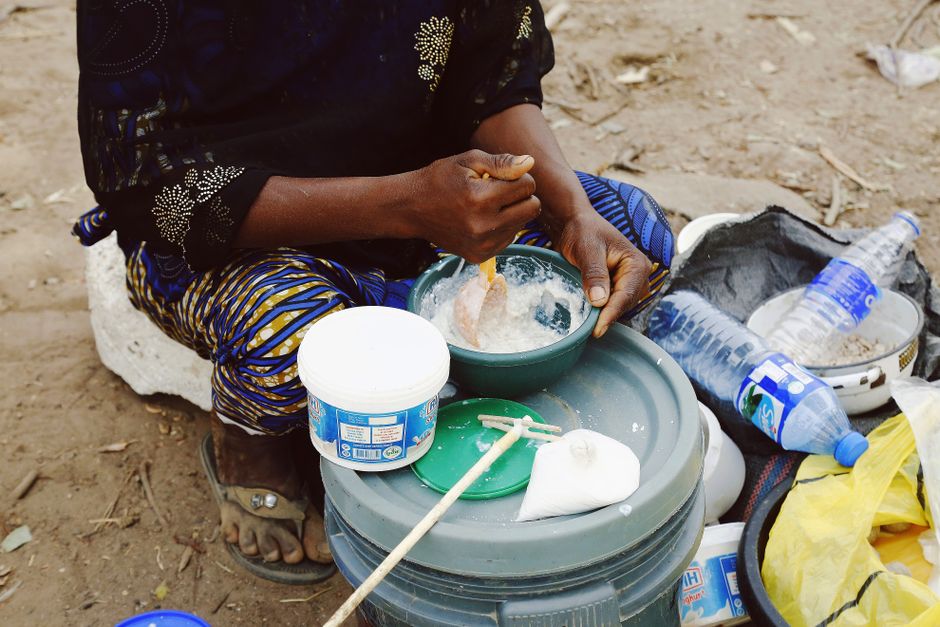
In a world where healthy eating has become synonymous with bland salads and green smoothies, the idea of maintaining a traditional Nigerian diet while still nurturing one's health might seem like an impossible task. Nigeria is a country teeming with rich culinary heritage—think jollof rice, egusi soup, and pounded yam. Yet, with rising concerns about health and lifestyle diseases, many Nigerians find themselves at a crossroads: how do we embrace our cherished dishes without compromising our health? This is where a balanced approach to the Nigerian diet comes into play, blending tradition with modern nutritional insights to create a healthier lifestyle.
Many Nigerians might feel the pressure to abandon traditional meals in favor of Western dietary patterns. However, it’s crucial to remember that the solution doesn’t lie in abandoning our food heritage but in adapting it. With thoughtful adjustments and an informed approach, we can enjoy the richness of Nigerian cuisine while also reaping the health benefits. This article will delve into practical Nigerian diet tips that will help you balance your traditional foods with healthy eating habits, ensuring your well-being while preserving the cultural essence of your meals.
Understanding the Basics of a Healthy Nigerian Diet
Importance of Balance and Moderation
A healthy diet is all about balance and moderation. This means consuming a variety of foods to ensure we get all the nutrients necessary for our bodies to function optimally. Nigerian diets tend to be carbohydrate-heavy, which is great for energy, but balance comes from including proteins, fats, and micronutrients.
"A balanced diet is not about eliminating your favorite foods. It’s about enjoying them in moderation and making healthier choices within your cultural context."
Identifying Nutrient-Dense Foods
Nigeria offers a plethora of nutrient-dense foods such as beans, vegetables like ugu and ewedu, and fruits like pawpaw and mango. Incorporating these into your diet ensures you're getting essential vitamins and minerals.
- Beans and legumes: Rich in protein and fiber.
- Vegetables: Ugu, spinach, and ewedu are excellent sources of vitamins.
- Fruits: Mangoes, oranges, and bananas provide important vitamins and antioxidants.
Incorporating Superfoods into Traditional Meals
What Are Superfoods?
Superfoods are nutrient powerhouses that provide large doses of antioxidants, polyphenols, vitamins, and minerals. Including them in your diet can enhance your health and well-being.
Adding Superfoods to Nigerian Cuisine
Integrating superfoods into traditional Nigerian dishes is easier than you might think. For example, add moringa leaves to soups or sprinkle chia seeds onto your ogi (fermented cereal). These small changes can boost the nutritional value of your meals significantly.
- Moringa: Add to soups and stews for a nutritional boost.
- Chia seeds: Sprinkle on pap or cereal.
- Ginger: Use in teas or marinades for its anti-inflammatory properties.
Adapting Cooking Techniques for Healthier Meals
Embracing Traditional Cooking Methods
Nigerian cooking methods like steaming and boiling are inherently healthy. However, frying is also a staple in many dishes. When frying, opt for healthier oils like olive or coconut oil, and try to minimize the frequency of deep-frying.
Healthier Ingredient Substitutions
Consider substituting some ingredients for healthier options. For example, brown rice can be used instead of white rice, and yam can be baked instead of fried.
- Brown rice: A more nutritious alternative to white rice.
- Baked yam: Retains nutrients better than fried yam.
- Olive oil: A healthier alternative for frying.
Managing Portions and Meal Frequency
Understanding Portion Sizes
Portion control is key to a balanced diet. It's easy to overeat when the food is delicious, but being mindful of portion sizes can help maintain a healthy weight and prevent lifestyle diseases.
"A simple trick to manage portions is using smaller plates and bowls. It helps control the amount of food you consume without feeling deprived."
Regular Meal Patterns
Eating regularly throughout the day can help maintain energy levels and prevent overeating. Try to have three balanced meals and two healthy snacks daily.
- Balance: Ensure each meal contains a mix of carbs, protein, and fats.
- Snacks: Opt for fruits or nuts to satisfy hunger between meals.
- Hydration: Drink plenty of water to aid digestion and overall health.
Final Thoughts
Embracing a healthy Nigerian diet doesn't mean you have to forgo your favorite meals or reinvent your culinary world. Instead, it's about making informed choices, moderating portions, and incorporating nutrient-rich foods into your diet. By doing so, you can enjoy the best of both worlds—savoring the flavors of Nigeria while promoting your health and well-being. Remember, the journey to healthy eating is a personal one, paved with choices that honor both your body and your cultural heritage.