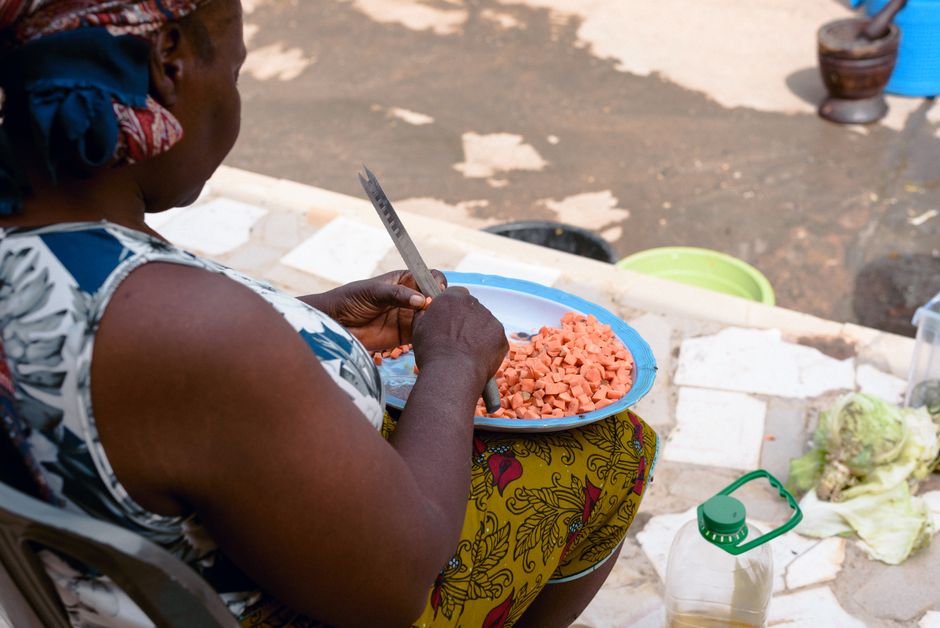
In Nigeria, food is more than just a means of sustenance; it's a celebration of culture, family, and tradition. However, in recent years, many have become more aware of the importance of healthy eating, aiming to balance traditional flavors with nutritional value. This is where Nigerian diet tips come into play, offering you a way to enjoy your meals while keeping your health in check.
Whether you’re looking to lose weight, maintain your current size, or just embrace a healthier lifestyle, these tips will guide you on how to adjust your eating habits without sacrificing taste or culture. Ready to dive into the blend of tradition and nutrition? Let’s explore!
Understanding Nigerian Dietary Staples
The Nigerian diet is rich and diverse, encompassing a variety of staples such as cassava, yams, rice, and beans. These foods form the backbone of many meals and are loved for their ability to provide sustenance and energy.
Cassava and Its Versatility
Cassava is a staple food that can be prepared in numerous ways, including as eba, fufu, or garri. It's low in fat and a great source of carbohydrates, making it a fundamental part of the Nigerian diet.
"Cassava-based meals, when paired with vegetable-rich soups, can significantly boost your nutritional intake."
The Nutritional Power of Yams
Yams are not just filling; they're also packed with fiber, vitamins, and minerals. They can be cooked, fried, or pounded into pounded yam, complementing a wide range of Nigerian soups and stews.
Incorporating More Vegetables and Fruits
While staples provide energy, vegetables and fruits supply essential vitamins and minerals. They are crucial for a balanced diet and can be easily incorporated into traditional meals.
Local Vegetables to Add to Your Diet
- Ugwu (fluted pumpkin): Great for soups and stews, rich in iron and vitamins.
- Bitter leaf: Known for its medicinal properties and used in bitter leaf soup.
- Okra: Perfect for dishes like okra soup, providing dietary fiber.
Adding these vegetables to your regular meals not only increases nutritional content but also adds a variety of flavors and textures.
Fruits for Snacking
Fruits make excellent snacks or desserts and are abundant in Nigeria. Consider adding bananas, pineapples, and mangoes to your diet for a sweet, nutritious treat.
Balancing Traditional Meals with Modern Health Trends
While traditional Nigerian meals are delicious, modern health trends emphasize the importance of portion control and balance. Here's how you can enjoy both worlds.
Portion Control Tips
- Use smaller plates to naturally reduce portion sizes.
- Fill half of your plate with vegetables for a balanced meal.
- Limit the quantity of high-calorie foods like palm oil-heavy dishes.
Healthier Cooking Methods
Instead of deep frying, try grilling or steaming to retain the nutritional value of your ingredients. This can dramatically reduce the fat content in your meals.
Embracing Whole Foods
Whole foods are minimally processed and provide more nutrients compared to refined options. Integrating them into your diet is a key step towards healthier eating.
Choosing Whole Grains
Swap white rice with brown rice or ofada rice, and use whole wheat flour instead of refined flour when making baked goods. These swaps will increase your intake of fiber.
Snacking on Nuts and Seeds
Nuts and seeds like groundnuts, tiger nuts, and sesame seeds are nutritious snacks that offer healthy fats, protein, and important minerals.
Final Thoughts
Making small, conscious changes to your diet can lead to significant improvements in your health. By understanding the nutritional benefits of traditional Nigerian foods and integrating modern health practices, you can enjoy a diet that is both satisfying and nutritious.
Remember, the goal is not to completely overhaul your diet but to make sustainable changes that fit into your lifestyle. By doing so, you'll not only honor your cultural heritage but also pave the way for a healthier future.