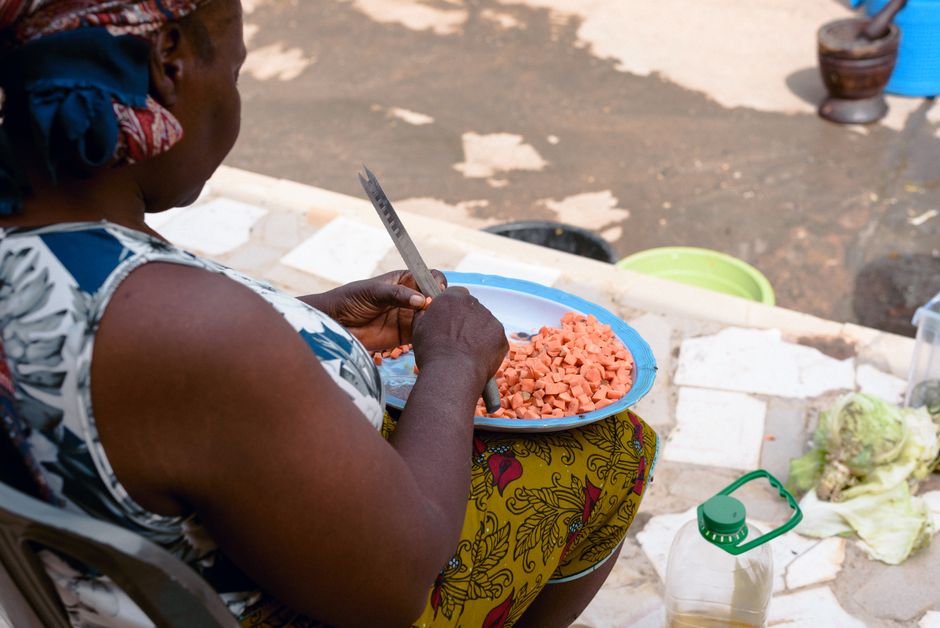
In today's fast-paced world, maintaining a healthy diet can be quite challenging, especially when you're trying to balance tradition with modern health needs. For Nigerians, the challenge is even more profound given the rich and diverse culinary heritage that the country boasts. This article aims to provide insightful tips on how to enjoy your beloved Nigerian meals while ensuring they contribute positively to your health and well-being.
The primary focus here is to help you understand how to incorporate healthier practices into your daily meals without losing the essence and flavor of traditional Nigerian cuisine. Whether it's reducing oil in your soups or choosing healthy snacks, these tips are designed to be practical and easy to implement in everyday life.
Understanding the Basics of Nigerian Cuisine
Nigerian cuisine is as diverse as its people. With over 250 ethnic groups, each with its unique culinary style, the variety is endless. However, some staples are common across the board, including rice, beans, yams, and a wide variety of soups and stews.
The Importance of Staple Foods
Staple foods like yam, cassava, and plantain are not just filling but also packed with essential nutrients. However, it's crucial to balance them with other food groups to ensure a well-rounded diet.
- Yam: Rich in carbohydrates and fiber, yams are a great energy source. Opt for boiling or roasting instead of deep frying.
- Cassava: High in calories but low in protein and other nutrients, pair it with protein-rich foods like beans or fish.
- Rice: A staple for many Nigerians, consider brown rice for added nutrients and fiber.
Savoring Soups and Stews
Soups and stews are central in Nigerian meals, often rich and spicy. While delicious, they can be high in fats and calories.
- Ogbono and Egusi: Use lean meats and add plenty of vegetables to increase nutrient content.
- Vegetable Soups: Efo Riro or Afang soup can be nutrient-packed when prepared with less oil and more greens.
Balancing Tradition and Nutrition
Navigating through traditional foods while striving for a healthier diet requires a conscious effort. Here are some tips to help balance tradition with nutrition.
Portion Control
Enjoying your favorite meals in moderation is key. Use smaller plates to help control portions and prevent overeating.
"Portion control is crucial. It allows you to enjoy your favorite dishes without the guilt," says Dr. Funmi Akinola, a renowned nutritionist.
Healthy Cooking Methods
Altering your cooking methods can significantly impact the nutritional value of your meals.
- Grilling: Try grilling meats instead of frying to reduce fat intake.
- Steaming: Steam vegetables to retain their nutrients and flavor.
Incorporating More Vegetables and Fruits
While Nigerian meals are flavorful and rich, they often lack adequate servings of fruits and vegetables. Here’s how to change that.
Adding Vegetables to Every Meal
Vegetables are essential for a well-balanced diet. They are rich in vitamins, minerals, and fiber.
- Spinach and Pumpkin Leaves: Incorporate them into soups and stews for added nutrition.
- Okra: A versatile vegetable that can be added to soups or eaten as a side dish.
Fruits as Desserts or Snacks
Fruits can serve as a healthy alternative to sugary desserts and snacks.
- Pawpaw and Mango: These are not only delicious but also packed with vitamins A and C.
- Bananas: A quick and healthy snack option rich in potassium.
Reducing Salt and Sugar Intake
Excessive salt and sugar can lead to health problems such as high blood pressure and diabetes.
Opt for Natural Sweeteners
Reduce sugar by using natural sweeteners like honey or dates in your meals and beverages.
Limit Processed Foods
Processed foods often contain high levels of salt. Opt for fresh ingredients whenever possible.
Final Thoughts
Adopting healthier eating habits doesn't mean sacrificing your cultural heritage or the delicious flavors of Nigerian cuisine. It’s about making informed choices that enhance your health while allowing you to enjoy the rich tapestry of tastes that Nigerian food offers. Remember, the journey to health is ongoing, and every small step counts.