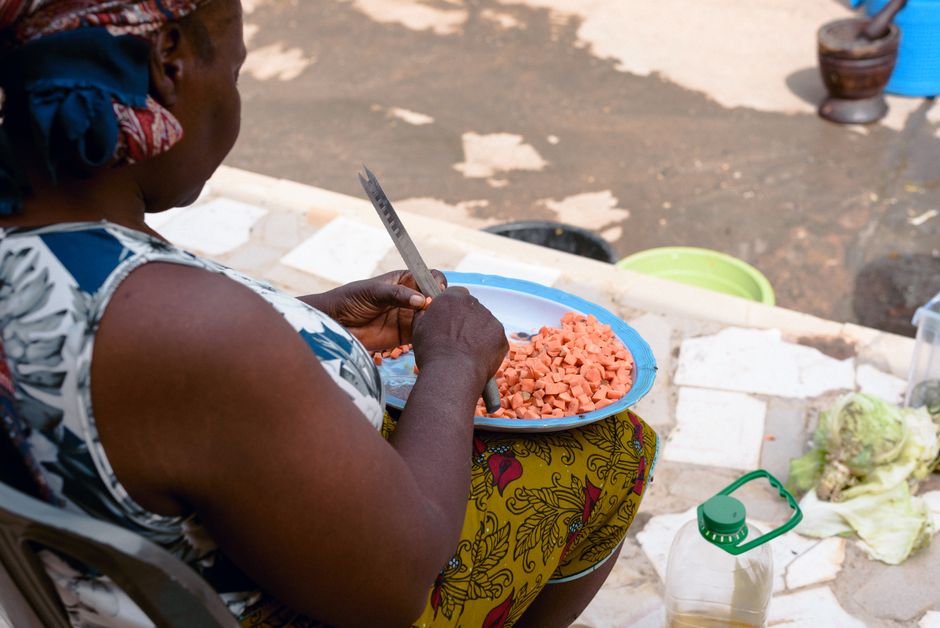
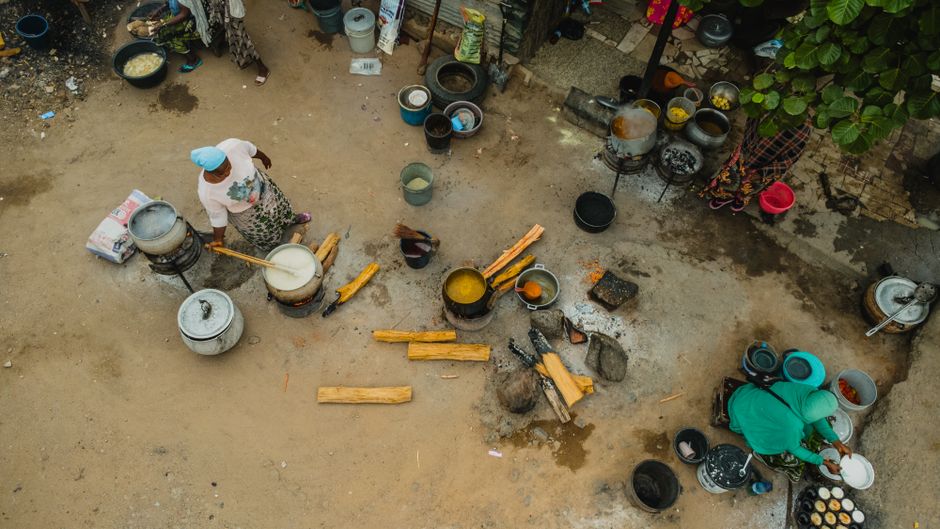
The importance of eating a balanced diet is universally acknowledged, but when it comes to the diverse and rich culinary landscape of Nigeria, it can sometimes be challenging to navigate the best options for optimal health. Whether you're trying to lose weight, manage a health condition, or simply eat healthier, understanding how to incorporate local foods into a nutritious diet is key. In this article, we'll delve into practical Nigerian diet tips, exploring everything from meal prep strategies to making the most of local ingredients.
Eating healthily in Nigeria doesn't have to be complicated or expensive. In fact, with the right knowledge and a little planning, you can enjoy the flavors of Nigerian cuisine without compromising on nutrition. So, if you're ready to take control of your diet and nurture your body with the best Nigeria has to offer, let's get started!
Understanding the Basics of a Nutritious Nigerian Diet
Before diving into practical tips, it's crucial to grasp the fundamentals of what constitutes a nutritious diet. In Nigeria, we have access to a wide range of local foods that are both delicious and packed with essential nutrients.
Key Components of a Healthy Diet
- Carbohydrates: Sources like cassava, yam, rice, and plantains are staples in the Nigerian diet, providing the energy needed for daily activities.
- Proteins: Options such as beans, fish, and lean meats like chicken are excellent protein sources that support muscle health and repair.
- Fats: Healthy fats can be found in palm oil, groundnut oil, and avocado, essential for brain health and hormone production.
- Vitamins and Minerals: Vegetables like spinach, okra, and tomatoes are rich in vitamins and antioxidants, vital for maintaining a robust immune system.
The Role of Portion Control
While enjoying these foods, portion control is vital. Balancing your plate with appropriate portions of carbohydrates, proteins, and fats will help maintain a healthy weight and ensure your body gets all the nutrients it needs.
Meal Prep Strategies for Nigerian Homes
Meal prepping can save time, reduce food waste, and help maintain healthy eating habits. By planning your meals ahead, you can avoid the temptation of unhealthy takeout and ensure you always have a nutritious meal ready.
Planning Your Meals
- Create a Weekly Menu: Start by outlining a weekly menu that includes breakfast, lunch, and dinner options. Incorporate a variety of foods to keep meals interesting and balanced.
- Shopping for Ingredients: Make a shopping list based on your menu and stick to it. This will help you avoid unnecessary purchases and focus on fresh, healthy foods.
Cooking in Batches
Cooking in batches allows you to make the most of your time in the kitchen. Prepare large quantities of staple foods like jollof rice or stew, which can be stored in the fridge or freezer for quick meals during the week.
Incorporating Local Ingredients
One of the best aspects of Nigerian cuisine is its diversity. Leveraging local ingredients not only supports local farmers but also ensures that you are consuming fresh and nutritious foods.
Exploring Local Markets
Visit local markets to find the freshest produce. Fruits and vegetables sourced directly from farmers can be cheaper and more nutritious than supermarket alternatives.
Experimenting with Traditional Dishes
Many traditional Nigerian dishes are naturally healthy. Dishes like egusi soup, moi moi, and nkwobi can be prepared in a healthy manner by reducing oil and increasing the proportion of vegetables.
Overcoming Common Nutritional Challenges
Despite the availability of nutritious foods, there are challenges many Nigerians face in maintaining a healthy diet. Let's address some common issues and how to overcome them.
Dealing with Food Sensitivities
Some individuals may have food sensitivities or allergies. It's important to identify these and find suitable alternatives. For example, those with lactose intolerance can opt for plant-based milk like soy or almond milk.
Budget-Friendly Nutrition
Eating healthily does not have to be expensive. Focus on buying seasonal produce, which is often cheaper, and consider bulk buying staples like rice and beans.
Conclusion
Navigating a nutritious diet in Nigeria is both a rewarding and achievable goal. By understanding the basics of nutrition, planning your meals, embracing local ingredients, and overcoming common challenges, you can enjoy a healthy lifestyle that supports your well-being. Remember, the journey to better health begins with small, consistent steps. So take those steps daily, and watch as they transform your health and vitality.