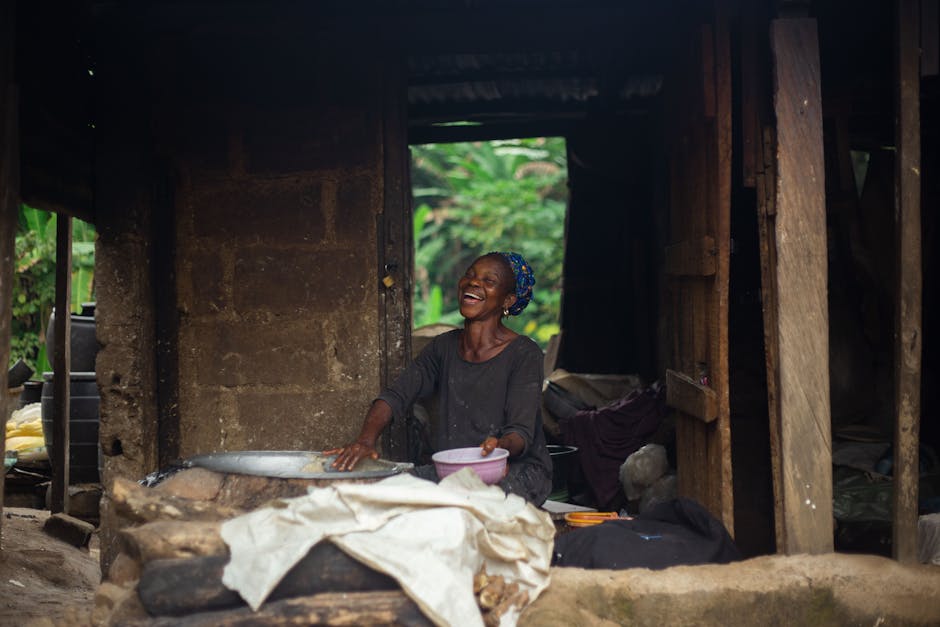
In today's fast-paced world, finding the time to prepare healthy meals can be a challenge, especially for the busy Nigerian who's juggling work, family, and social commitments. Enter meal prep, a growing trend that promises to save you time, money, and stress while ensuring you eat nutritious meals throughout the week. But how do you adapt meal prep to fit the rich and diverse Nigerian cuisine? This article will guide you through practical steps to master Nigerian meal prep, transforming your diet and lifestyle.
Whether you're a busy Lagos entrepreneur, a student in Ibadan, or a mom in Abuja, meal prepping can make a world of difference. Not only does it help in maintaining a balanced diet, but it also reduces the temptation to order takeout or indulge in unhealthy snacks. Let's explore how you can incorporate Nigerian flavors into your meal prepping routine without sacrificing taste or nutrition.
We'll delve into selecting the right ingredients, choosing easy-to-cook recipes, and managing your time efficiently. With a little planning and organization, meal prep can become a rewarding part of your weekly routine, helping you stay healthy and energized.
The Basics of Meal Prep
Understanding Meal Prep
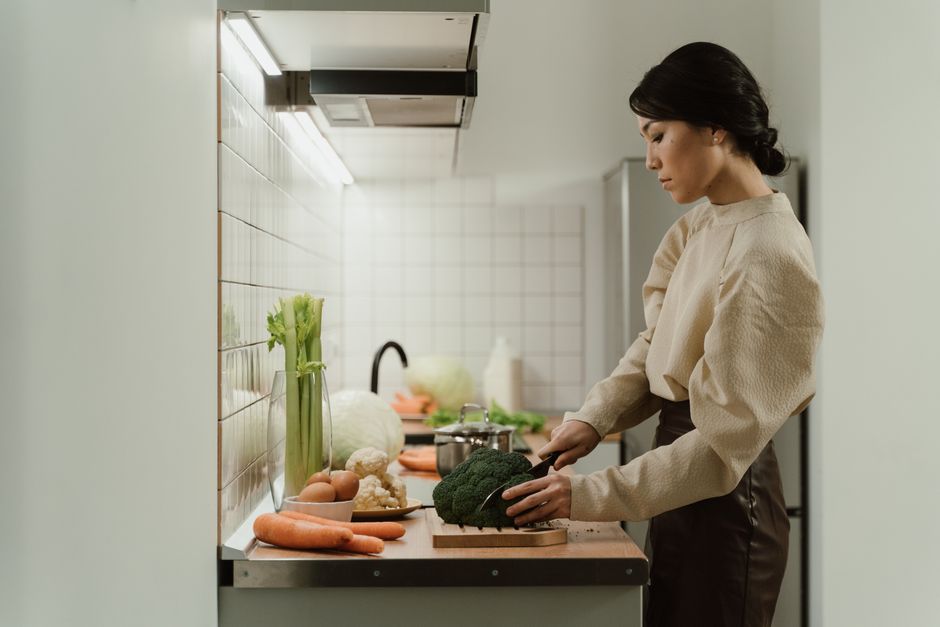
Meal prepping involves preparing meals ahead of time and storing them for later consumption. This can be done by cooking full meals or prepping ingredients for easy assembly during the week. The goal is to streamline your cooking process, making it faster and more efficient.
"Meal prep is not just about saving time; it's about making healthy eating convenient and accessible."
Why Meal Prep?
- Time-Saving: Spend less time cooking during the week by preparing meals in advance.
- Healthier Eating: Control your portions and ingredients for healthier meals.
- Cost-Effective: Save money by buying in bulk and reducing food waste.
Choosing the Right Ingredients
Focus on Freshness
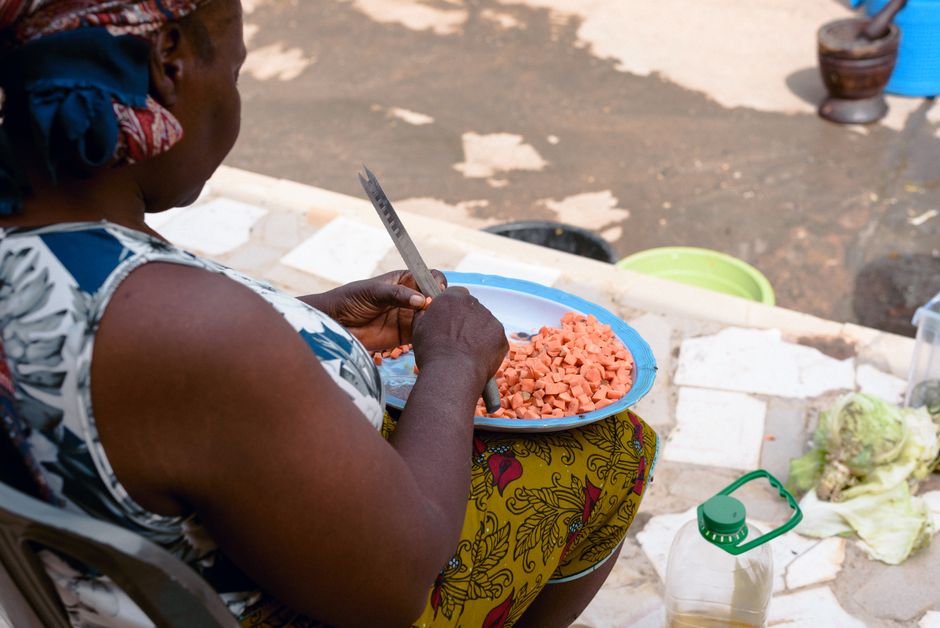
Fresh ingredients are key to tasty and nutritious meals. Visit local markets to source seasonal produce, which is not only fresher but also more affordable. In Nigeria, ingredients like leafy greens, tomatoes, yams, and peppers are staples that can be used in various dishes.
Protein Options
Incorporate a variety of proteins like chicken, beef, fish, and legumes. Beans, in particular, are a staple in many Nigerian dishes and are an excellent source of protein and fiber.
- Chicken: A versatile protein that can be grilled, baked, or fried.
- Fish: Tilapia and catfish are popular choices, rich in omega-3 fatty acids.
- Beans: Affordable and nutritious, perfect for stews and soups.
Meal Prep Ideas for Nigerian Dishes
Staple Nigerian Recipes
Embrace the rich flavors of traditional Nigerian dishes by prepping meals like jollof rice, egusi soup, and akara (bean cakes). These meals can be made in large batches and stored for later use.
- Jollof Rice: Prepare a large pot and store in portioned containers.
- Egusi Soup: Make a big batch and freeze it.
- Akara: Pre-mix the batter for easy frying.
Quick and Easy Recipes
Select recipes that are quick to prepare and require minimal ingredients. This makes meal prep less daunting and more manageable.
- Vegetable Stir-fry: A quick dish using available veggies and spices.
- Spicy Chicken Wings: Marinate and bake in bulk.
- Bean Salad: Mix cooked beans with fresh vegetables for a nutritious meal.
Efficient Time Management
Planning Your Menu
Start by planning your meals for the week. Decide which meals you'll have for breakfast, lunch, and dinner, and make a shopping list based on these meals. This helps you stay organized and reduces last-minute grocery trips.
Batch Cooking
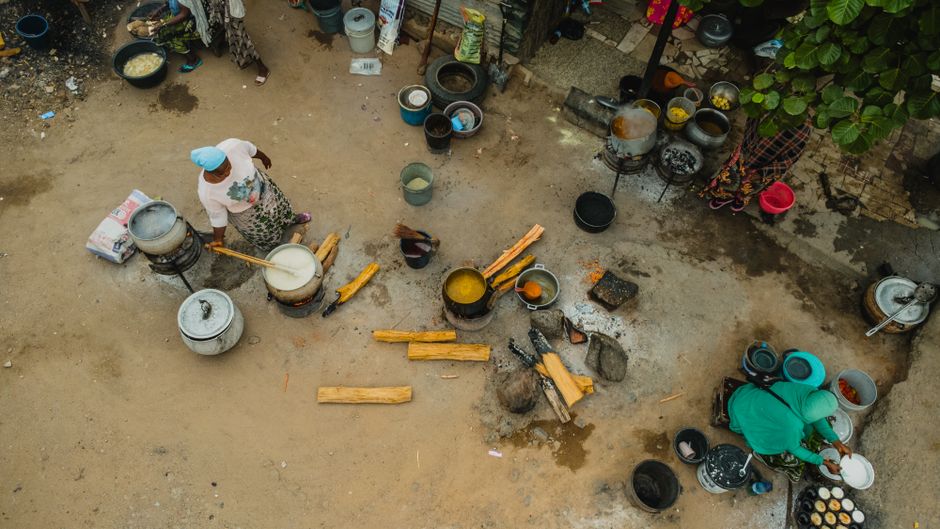
Batch cooking is the process of cooking large quantities of food at once. This is especially useful for dishes that taste better with time, such as stews and soups.
"Batch cooking not only saves time but also enhances the flavor of your meals as they sit and the ingredients meld together."
Storage Solutions
Choosing the Right Containers
Invest in good-quality storage containers that are durable and leak-proof. Glass containers are ideal as they are microwave-safe and keep food fresh longer.
Labeling and Organizing
Label your containers with the contents and date of preparation. This ensures you know what to eat first and reduces the chances of food spoilage.
- Labeling: Use adhesive labels or a marker to note the meal and preparation date.
- Organizing: Arrange containers in your fridge or freezer by date to ensure older meals are consumed first.
Conclusion
Meal prepping is a game-changer for anyone looking to maintain a healthy diet while managing a busy lifestyle. By incorporating traditional Nigerian dishes into your meal prep routine, you can enjoy the best of both worlds: delicious, home-cooked meals that are ready whenever you are.
Start small by prepping one or two meals a week and gradually increase as you become more comfortable with the process. Remember, the key is to make meal prepping a sustainable habit that fits your lifestyle. With these tips and tricks, you're well on your way to becoming a meal prep pro.
Embrace the flavors of Nigeria, save time, and nourish your body with thoughtfully prepared meals. Your health and taste buds will thank you!