In the bustling cities and serene villages of Nigeria, maintaining a healthy diet can sometimes feel like a daunting task. Whether you're a busy professional in Lagos or a homemaker in Enugu, finding time to prepare nutritious meals daily can be challenging. However, with the right strategies, meal prep can be your best friend in achieving a balanced diet effortlessly.
Meal prepping not only saves time but also ensures that you have healthy options readily available, preventing impulse buys of unhealthy snacks. In this article, we'll explore practical meal prep tips tailored for the Nigerian lifestyle, helping you incorporate fresh, local ingredients into your diet while managing your time efficiently.
Understanding the Basics of Meal Prep
Before diving into the specifics, it's important to understand what meal prep entails. Essentially, meal prep is the act of planning and preparing meals in advance. This can range from chopping vegetables for the week to cooking entire meals to store for later use.
The Benefits of Meal Prepping
- Saves Time: By dedicating a few hours weekly, you save time on daily meal preparations.
- Reduces Waste: Planning meals helps utilize ingredients fully, minimizing food waste.
- Healthier Choices: Pre-planned meals reduce the temptation of unhealthy options.
- Cost-effective: Buying in bulk and reducing takeout can save money.
"Meal prepping is not just about saving time; it's about investing in your health and well-being." — Nutrition Expert
Planning Your Meals
Setting Realistic Goals
When starting with meal prep, it's crucial to set achievable goals. Begin by planning for a few days a week and gradually increase as you become more comfortable.
Creating a Menu
Choose meals that you enjoy and are easy to prepare. Incorporate a variety of dishes to ensure nutritional balance. For instance, aim to include proteins, carbohydrates, and vegetables in each meal.
Shopping for Ingredients
Make a shopping list based on your planned menu. Focus on fresh, local produce readily available in Nigerian markets, such as okra, tomatoes, and yam.
Nigerian Ingredients for Meal Prep
Staples to Include
- Yam and Plantain: Versatile and nutritious, these can be boiled, fried, or mashed.
- Beans: A source of protein and fiber, ideal for stews and soups.
- Greens: Ugu and spinach are excellent for soups and sides.
- Fish and Chicken: These proteins can be grilled or stewed.
Utilizing Spices
Nigerian cuisine is rich in flavors. Use spices like curry, thyme, and pepper to enhance your meals without adding extra calories.
Meal Prep Techniques
Batch Cooking
Prepare large batches of staple foods like jollof rice or egusi soup, which can be portioned and stored for future meals.
Freezing and Storing
Invest in quality storage containers. Cool meals before freezing to maintain texture and flavor. Label containers with contents and dates for easy identification.
Efficient Use of Time
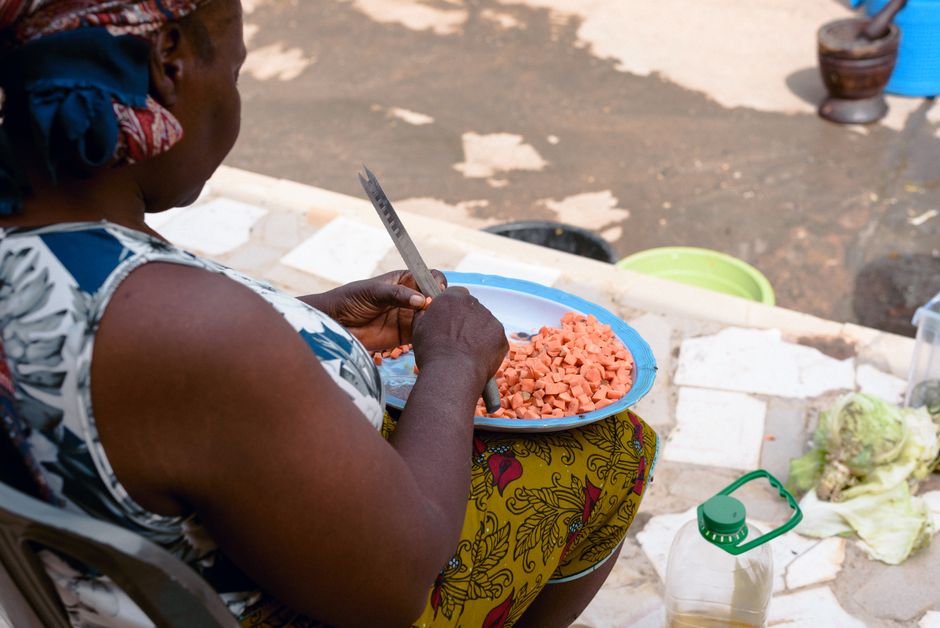
Prepare ingredients in bulk, such as chopping vegetables or marinating proteins, to streamline cooking during the week.
Overcoming Challenges
Limited Time
Even with a busy schedule, meal prep can be manageable. Consider prepping on weekends or splitting tasks over a few days.
Keeping Meals Interesting
Avoid monotony by alternating recipes weekly and experimenting with new ingredients or spices.
Final Thoughts
Meal prepping is more than a trend; it's a lifestyle choice that promotes health and efficiency. By following these tips, you can seamlessly integrate meal prep into your routine, making nutritious eating a simple and enjoyable part of your life. Remember, the key is to start small, adapt as you go, and enjoy the journey towards a healthier you.