In today's fast-paced world, maintaining a healthy diet can sometimes feel like an uphill battle, especially when juggling work, family, and personal commitments. However, meal prepping—an increasingly popular trend—offers a solution that not only saves time but also ensures that you stay on track with your nutritional goals. This is particularly relevant for many Nigerians who are looking to balance traditional cuisine with health-conscious choices. In this article, we'll dive into practical meal prep tips that are specifically tailored for a Nigerian lifestyle, making healthy eating both convenient and enjoyable.
Imagine having delicious, healthy meals ready to go, without the daily stress of cooking from scratch. With the right strategies, meal prep can revolutionize your approach to nutrition. Whether you're new to meal prep or looking to refine your strategy, these tips will guide you through the process, incorporating Nigerian favorites and healthy options.
Let's explore how you can embark on a journey towards a healthier and more organized lifestyle through effective meal prep.
Understanding the Basics of Meal Prep
Before diving into the specifics, it's important to understand the fundamentals of meal prepping. Essentially, meal prep involves preparing meals or meal components ahead of time, which can then be stored and consumed throughout the week. This process saves time, reduces food waste, and helps maintain portion control.
Benefits of Meal Prep
Meal prep isn't just about convenience—it's a lifestyle change that offers numerous benefits:
- Time-Saving: Spend a few hours prepping meals and save time during the week.
- Cost-Effective: Buying ingredients in bulk can reduce overall food costs.
- Portion Control: Pre-portioned meals help manage calorie intake.
- Reduced Stress: No more last-minute decisions about what to eat.
Common Challenges and How to Overcome Them
While meal prepping offers numerous benefits, it's not without its challenges. Common issues include lack of variety, storage limitations, and simply running out of ideas. Here's how to tackle these hurdles:
- Variety: Rotate recipes weekly and incorporate seasonal produce.
- Storage: Invest in quality containers and label meals with expiration dates.
- Inspiration: Follow meal prep blogs or join online communities for fresh ideas.
Nigerian Ingredients for Meal Prep
The beauty of meal prepping lies in its adaptability. You can incorporate your favorite Nigerian foods while keeping meals nutritious and balanced. Here are some ideas:
Staples to Include
Consider incorporating these staples into your meal prep for a touch of traditional Nigerian flavor:
- Rice: Opt for brown rice or local varieties like ofada, which are higher in fiber.
- Beans: An excellent source of protein and fiber.
- Yam and Plantains: Versatile and can be prepared in various ways.
- Vegetables: Ugu (pumpkin leaves), okra, and spinach add nutrients and flavor.
Protein Sources
Protein is crucial for muscle maintenance and overall health. Here are some protein sources you can include:
- Fish: Mackerel and tilapia are both available and affordable.
- Chicken: Opt for skinless chicken breast.
- Legumes: Lentils and chickpeas are great plant-based options.
- Eggs: Hard-boiled eggs are a quick protein boost.
Step-by-Step Meal Prep Guide
Ready to start meal prepping? Follow this step-by-step guide to streamline your process:
Plan Your Meals
Start by planning your meals for the week. Consider how many meals you need and for how many people. Use a calendar or meal prep app to organize your ideas.
Tip: Balance your meals with a mix of protein, carbohydrates, and vegetables.
Shopping and Organizing Ingredients
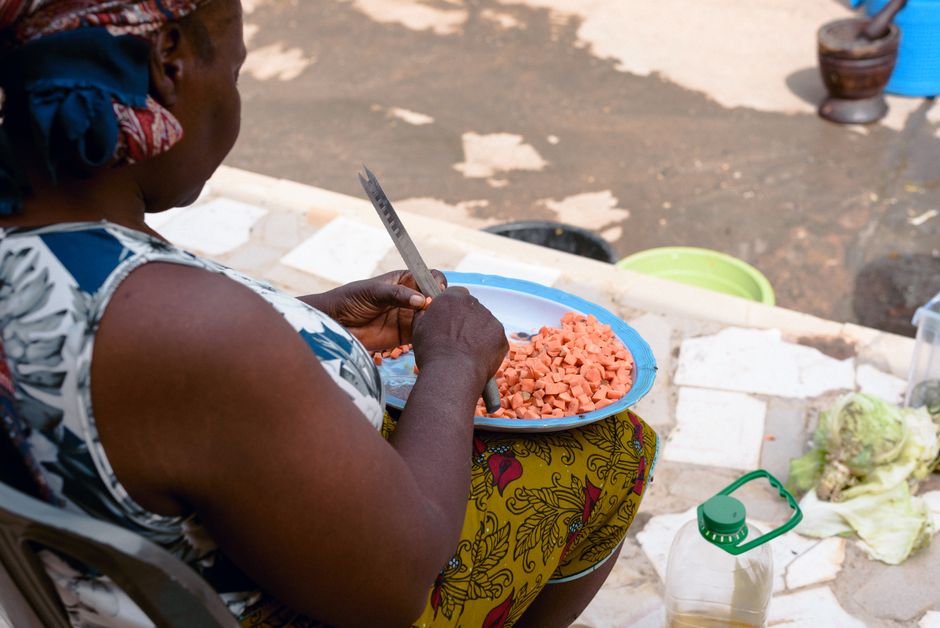
Once you've planned your meals, create a shopping list. Stick to your list to avoid impulse buys. When you get home, wash, chop, and organize your ingredients before starting the prep process.
Cooking and Storing
Prepare meals in bulk, cooking multiple servings of each dish. Store them in portioned containers and label each with the date and contents.
Tip: Freeze meals that you won't consume within the next few days to maintain freshness.
Reheating and Enjoying
When you're ready to eat, simply reheat your meals. Microwave-safe containers are great for quick heating. Pair meals with fresh salads or fruits for added nutrients.
Incorporating Healthy Eating Habits
Meal prep is just one part of a healthy lifestyle. Consider these additional tips to maintain a balanced diet:
Mindful Eating
Take time to enjoy your meals, eating slowly and savoring each bite. This can prevent overeating and enhance digestion.
Hydration
Drink plenty of water throughout the day. Consider infusing water with fruits or herbs for added flavor.
Limit Processed Foods
Aim to cook from scratch as much as possible. Processed foods often contain hidden sugars and unhealthy fats.
Conclusion
Meal prepping is a powerful tool that can transform your approach to eating, making it easier to maintain a healthy diet even with a busy schedule. By incorporating traditional Nigerian ingredients and following a structured meal planning process, you can enjoy flavorful, nutritious meals all week long. Remember, the key to successful meal prep lies in planning, organization, and a willingness to experiment with new recipes and flavors. So, why not give it a try and see how this practice can enhance your lifestyle?