Imagine coming home after a long day, and instead of worrying about what's for dinner, you have a delicious, nutritious meal waiting for you. Sounds like a dream, right? For many Nigerians juggling work, family, and personal time, this can become a reality with the right meal prep strategies.
Meal prep isn't just about saving time; it's a powerful tool for maintaining a healthy diet. By planning and preparing your meals in advance, you ensure that you have access to nutritious food even on the busiest days. In a country like Nigeria, where the diversity of local foods and busy urban lifestyles clash, meal prep can be a game-changer.
Whether you're in Lagos dealing with the hustle and bustle or enjoying a quieter life in Enugu, these meal prep tips will help you make the most of your culinary efforts while keeping health at the forefront.
Understanding Meal Prep Basics
Before diving into specific strategies, it's crucial to understand the fundamentals of meal prep. Essentially, meal prep involves planning and preparing your weekly meals in advance. This preparation can range from fully cooked meals ready to be heated, to chopped ingredients that can be quickly assembled.
The Benefits of Meal Prep
- Time-Saving: Spend less time cooking during the week by preparing meals in one go.
- Healthier Eating: Control your portions and ingredients, reducing the temptation to opt for fast food.
- Budget-Friendly: Buying ingredients in bulk and reducing food waste can save money.
Common Meal Prep Methods
There are several approaches to meal prep, and the best one depends on your lifestyle and preferences:
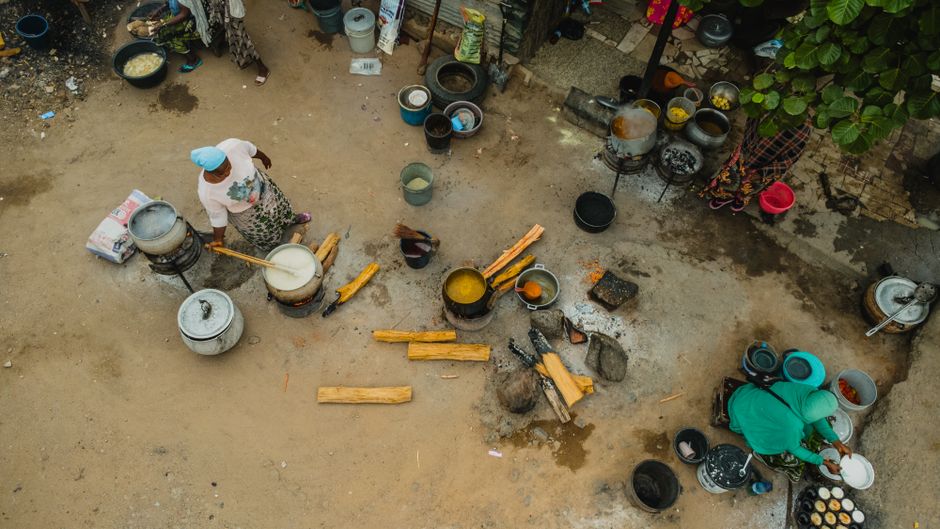
- Batch Cooking: Prepare large quantities of a particular dish and portion it for the week.
- Individually Portioned Meals: Pre-cooked meals that are ready to eat, perfect for busy days.
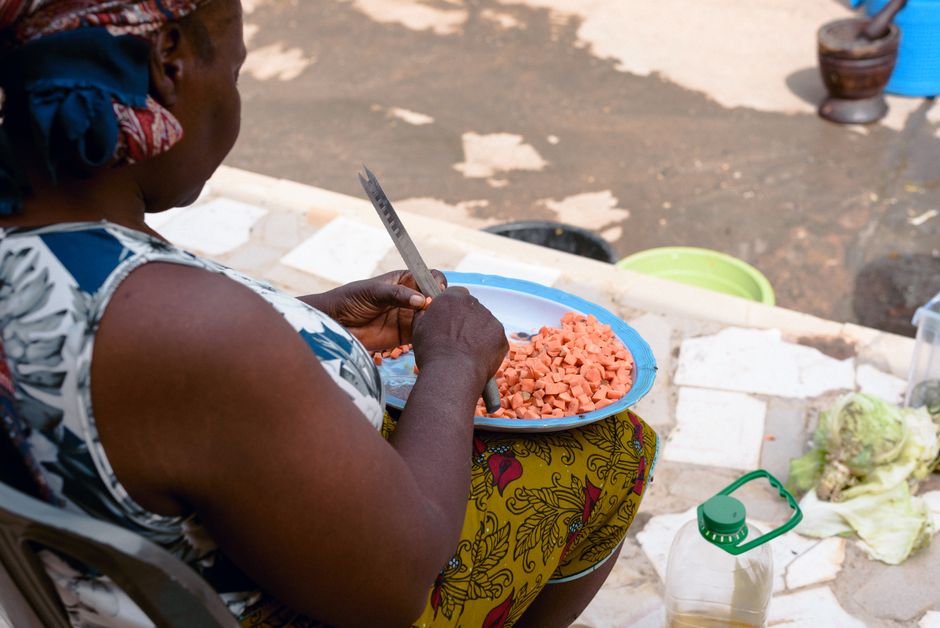
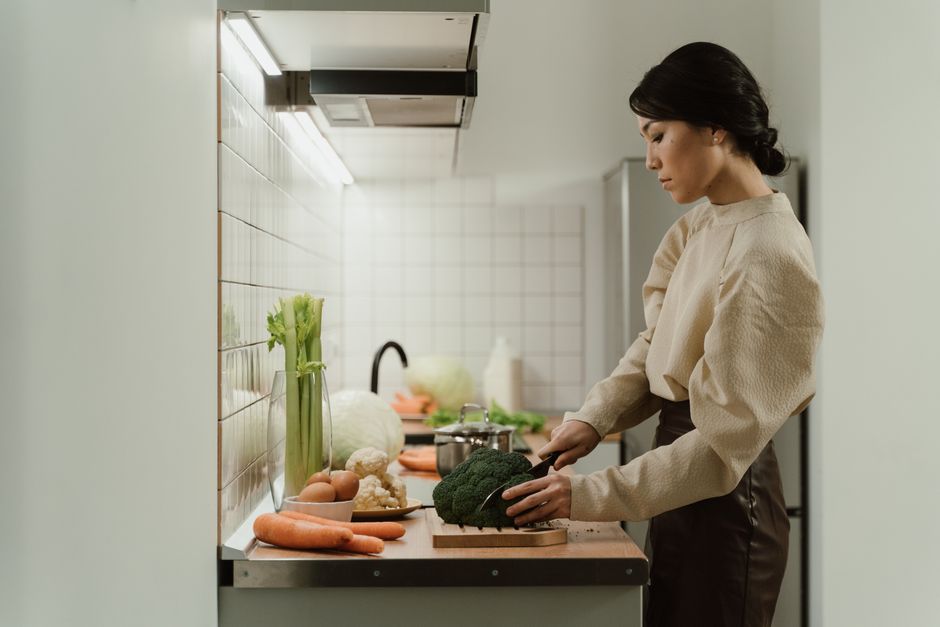
- Ingredient Prep: Wash, chop, and store ingredients for quick assembly later.
Choosing Nigerian Ingredients for Meal Prep
One of the joys of Nigerian cuisine is its rich and diverse array of ingredients. Let's explore how you can incorporate these into your meal prep routine.
Staple Foods to Consider
- Rice: A staple that can be cooked in bulk and used in various dishes throughout the week.
- Yam and Plantains: These can be boiled, fried, or baked ahead of time.
- Beans: Highly nutritious and can be cooked in different ways.
Incorporating Vegetables and Proteins
Vegetables and proteins are essential for a balanced diet. Consider these options:
- Leafy Greens: Spinach, ugu, and bitter leaf can be washed, chopped, and stored.
- Meats and Fish: Chicken, beef, and fish can be marinated and frozen for quick cooking.
- Legumes: Groundnut and lentils add protein and can be cooked in advance.
Practical Meal Prep Tips for Nigerians
Utilizing Local Markets
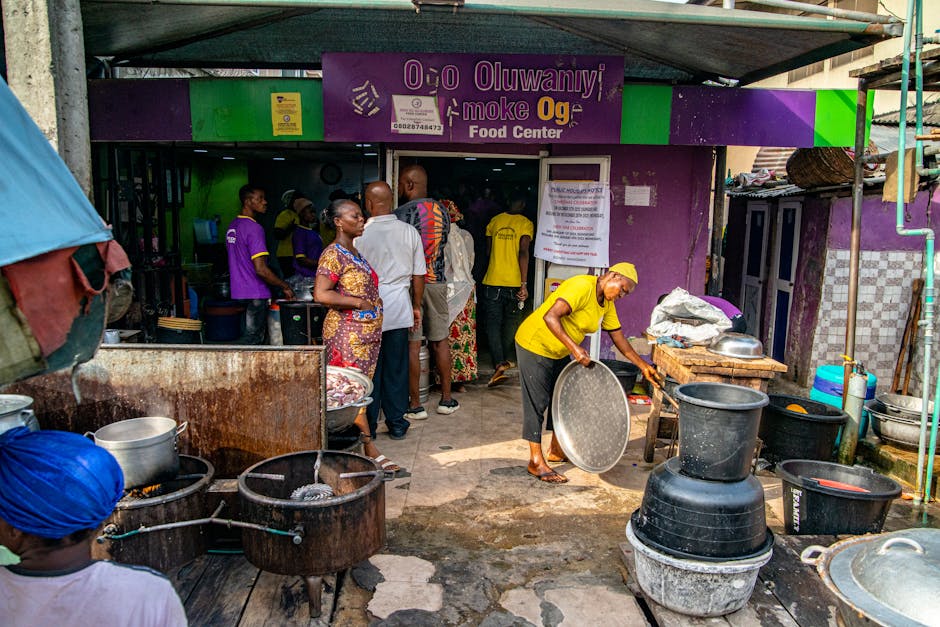
Shopping at your local market not only supports the community but also gives you access to fresh produce. Visit markets early to get the best pick of seasonal fruits and vegetables.
"Early morning visits to the market always yield the freshest ingredients," advises Chinyere, a seasoned home cook from Abuja.
Investing in Quality Storage Containers
Having a variety of storage containers is crucial for keeping your prepped meals fresh. Opt for airtight containers to preserve the flavor and nutrients of your meals.
Setting a Meal Prep Schedule
Consistency is key. Designate one or two days a week for meal prep. Sundays are popular for many, allowing you to start the week prepared. Adjust based on your schedule for flexibility.
Overcoming Common Meal Prep Challenges
While meal prep is beneficial, it can come with challenges. Here’s how to tackle them:
Dealing with Food Boredom
Rotate recipes and incorporate different spices and herbs to keep your meals exciting. Nigerian cuisine offers a plethora of spices like curry, thyme, and pepper.
Managing Time Effectively
If time is a constraint, start small. Gradually increase your meal prep as you get more comfortable. Even prepping one meal per day can make a difference.
Maintaining Nutritional Balance
A balanced diet is crucial. Ensure each meal includes carbohydrates, proteins, and vegetables. Use traditional dishing methods like 'half and half' to keep portions balanced.
Final Thoughts
Meal prepping is a versatile practice that can be adapted to fit the Nigerian lifestyle beautifully. By incorporating traditional ingredients and using efficient methods, you can enjoy the benefits of healthy, home-cooked meals without the weekday stress. Start small, be consistent, and watch as meal prep transforms your eating habits and health. Whether you're cooking for one or a family of five, a little preparation goes a long way in ensuring nutritious meals that satisfy both the body and soul.