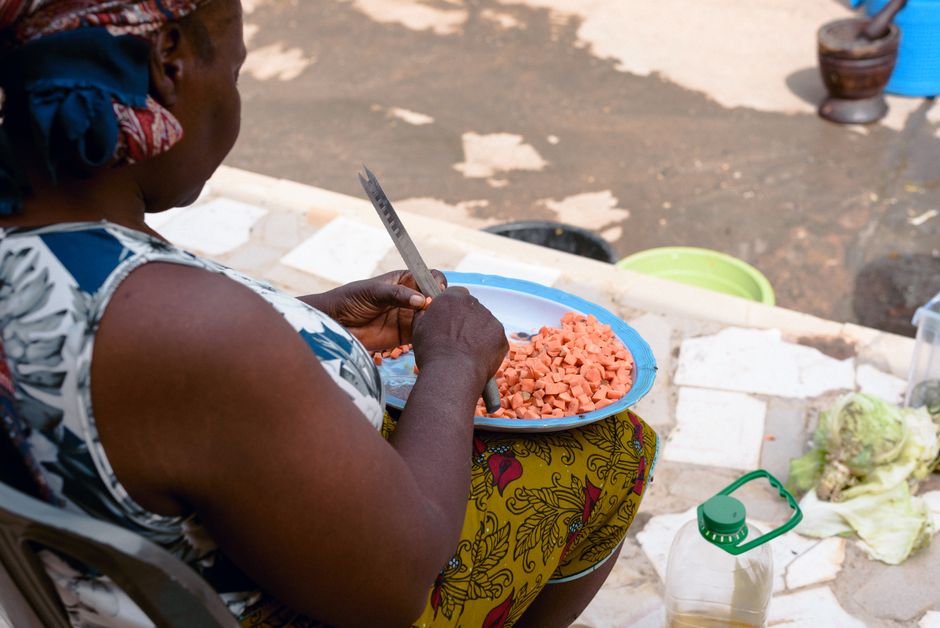
Nigeria is a land rich in culture, flavors, and diverse culinary traditions. However, with the rise of lifestyle diseases and the changing patterns of consumption, it's crucial to adapt our traditional diets to meet today's health needs. Navigating the balance between tradition and nutritional value is key. That's why we're here to provide you with practical Nigerian diet tips that will not only cater to your taste buds but also support a healthier lifestyle. From managing portion sizes to understanding the nutritional value of local foods, these insights are all about making informed, healthier choices without sacrificing the delicious flavors that Nigerian cuisine is known for.
As you embark on this journey to better nutrition, remember that small changes can lead to significant health benefits. Whether it's incorporating more vegetables into your meals or choosing lean proteins, these adjustments can make a lasting impact. Let’s delve into some practical tips to enhance your Nigerian diet for a healthier you.
Understanding the Nutritional Value of Nigerian Foods
Nigerian cuisine is diverse, and each region boasts unique dishes made from locally-sourced ingredients. Understanding the nutritional value of these foods is an important first step in making healthier diet choices.
Staple Foods and Their Nutritional Impact
Staple foods like yam, cassava, and rice are central to many Nigerian meals. While they provide essential carbohydrates, it's important to balance them with proteins and vegetables.
- Yam: Yam is an excellent source of energy and dietary fiber. However, moderation is key to avoid excessive calorie intake.
- Cassava: A versatile ingredient used in different forms such as gari and fufu, cassava is high in carbohydrates. Consider pairing it with protein-rich soups.
- Rice: Opt for local, whole-grain varieties like Ofada rice, which retain more nutrients compared to polished white rice.
Nigerian foods are rich in flavor and nutrition. Balancing traditional meals with modern dietary needs is key to a healthier diet.
The Role of Proteins in Nigerian Diets
Proteins are crucial for repair and growth. Luckily, Nigeria offers a range of protein sources to choose from.
- Fish: Being a coastal nation, fish is abundant. It's rich in omega-3 fatty acids, which are beneficial for heart health.
- Poultry: Chicken is a popular choice. Opt for skinless options to reduce fat intake.
- Beans and Nuts: These are fantastic plant-based proteins that also provide fiber.
Incorporating Vegetables and Fruits
Fruits and vegetables are vital for their vitamins, minerals, and antioxidants. However, they sometimes play a secondary role in Nigerian meals. Let's change that.
Vegetables: Enhancing Your Meals
Adding vegetables not only boosts the nutritional profile of your meals but also adds color and texture.
- Spinach (Efo): This leafy green is packed with iron and vitamins. Use it generously in stews and soups.
- Okra: Known for its slimy texture, it’s rich in vitamins and can be used in a variety of dishes.
- Tomatoes: A staple in many Nigerian dishes, tomatoes are rich in lycopene, which is good for heart health.
Fruits: A Sweet Addition
Fruits are a delicious way to satisfy sweet cravings while adding nutrients to your diet.
- Pawpaw (Papaya): This tropical fruit is rich in antioxidants and vitamin C.
- Mango: While high in sugar, it’s also high in vitamins A and C. Enjoy in moderation.
- Banana: A convenient snack that provides potassium and fiber.
Portion Control and Mindful Eating
Portion control remains a challenge for many, particularly in cultures where food abundance is a sign of hospitality. Eating mindfully can help manage portions and improve digestion.
Portion Sizes Matter
It's easy to overeat when portions are large. Understanding serving sizes can help mitigate this.
- Use Smaller Plates: This simple trick can help control portion sizes without feeling deprived.
- Listen to Your Body: Eat slowly and stop when you feel full to avoid overeating.
Mindful eating is about savoring every bite and being present during meals, which aids in digestion and satisfaction.
Intermittent Fasting: A Cultural Perspective
Intermittent fasting is gaining popularity, and it aligns with traditional fasting practices in Nigeria.
- Time-Restricted Eating: Align meals with natural fasting periods, such as avoiding late-night eating.
- Consider Cultural Practices: Utilize traditional fasting periods for health benefits.
Meal Planning and Preparation
Meal planning is a powerful tool for maintaining a healthy diet. With a bit of organization, you can ensure balanced meals throughout the week.
Plan Your Week's Menu
Having a plan reduces the temptation to make unhealthy food choices.
- Set a Menu: Reserve time each week to plan meals, incorporating a variety of foods.
- Include Snacks: Plan for healthy snacks to prevent hunger and overeating.
Batch Cooking
Save time and energy by preparing meals in bulk.
- Cook in Batches: Prepare large quantities of soups or stews that can be stored and reheated.
- Freeze Leftovers: Utilize your freezer to store meals for busier days.
Conclusion
Adopting a healthy lifestyle within the context of Nigerian culinary traditions is entirely possible. By understanding the nutritional value of local foods, incorporating more vegetables and fruits, practicing portion control, and planning meals effectively, you can enjoy the rich flavors of Nigerian cuisine while prioritizing your health. Remember, consistency is key, and small, manageable changes will lead to lasting benefits. Here's to a healthier, tastier journey through your Nigerian diet!