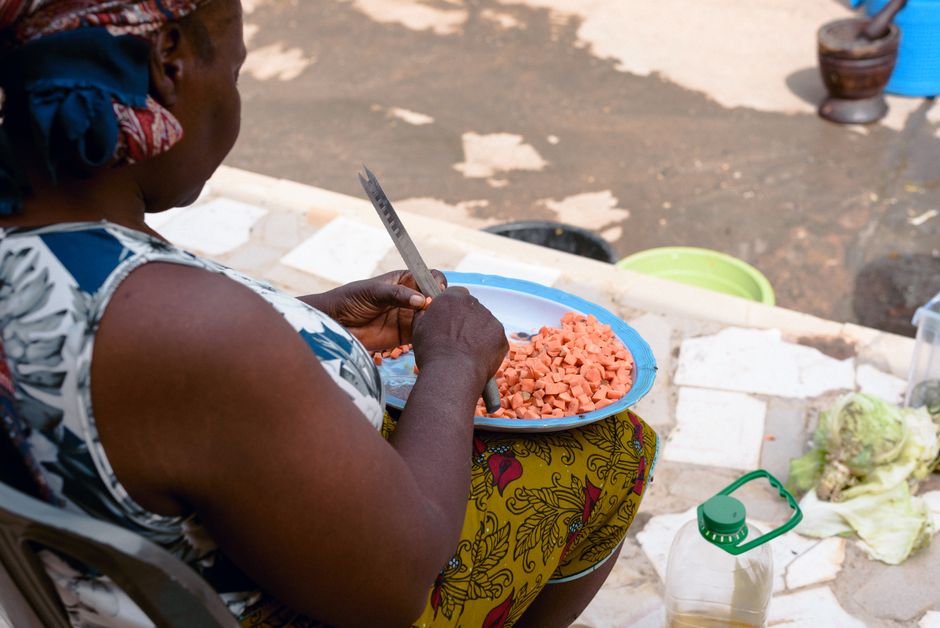
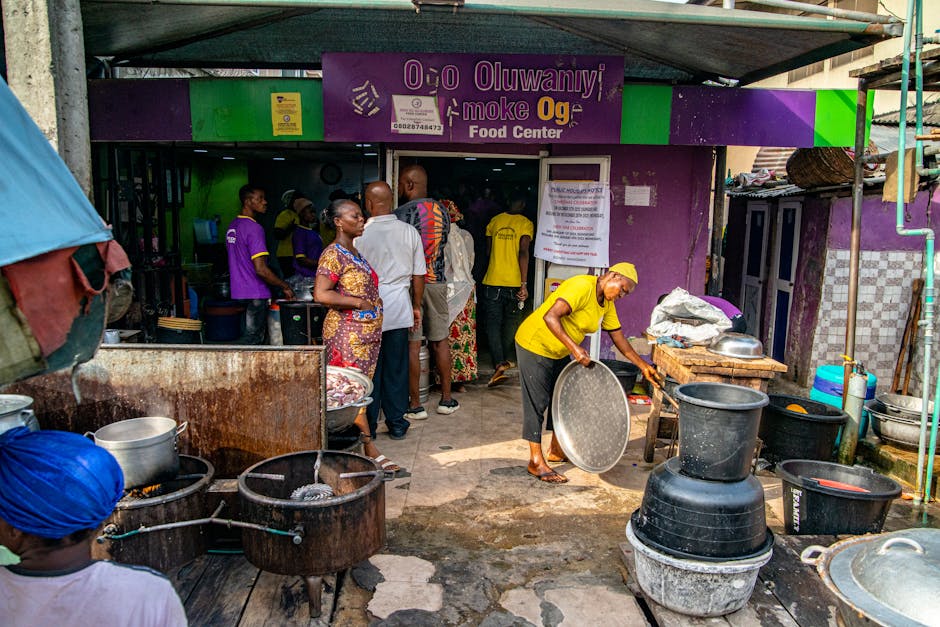
When it comes to maintaining good health, diet plays a pivotal role, especially in Nigeria where a rich variety of foods are available. However, navigating through traditional dishes and modern dietary advice can be challenging. In this article, we’ll explore practical tips tailored to the Nigerian diet that can help you achieve a healthier lifestyle.
These tips will not only focus on what to eat but also how to prepare these foods in a way that preserves their nutritional value. From jollof rice to okra soup, understanding how to incorporate these beloved dishes into a balanced diet can make a significant difference.
Let's dive deeper into the world of Nigerian cuisine and uncover how you can enjoy your favorite meals while also taking care of your health.
Understanding the Nigerian Diet
Nigerian cuisine is as diverse as its people, with each region boasting its own unique dishes. From the spicy soups of the South to the grain-based meals of the North, there’s a wide variety of ingredients and cooking methods to consider.
Common Ingredients
Some staple foods in Nigerian diets include yams, rice, beans, and cassava. These ingredients form the foundation of many popular dishes.
- Yams: Rich in carbohydrates, essential for energy.
- Rice: A versatile staple that can be prepared in various ways.
- Beans: A great source of protein and fiber.
- Cassava: Often used in dishes like garri and fufu.
Understanding these staples can help you make healthier choices by focusing on portion sizes and preparation methods.
Nutritional Challenges
One of the challenges of the Nigerian diet is the high carbohydrate content, which can lead to weight gain if not balanced with proteins and vegetables.
"Balance is key. Pair your carbs with proteins and vegetables to create a well-rounded meal."
Incorporating Healthy Eating Habits
Adopting healthy eating habits doesn’t mean giving up your favorite Nigerian dishes. Instead, it involves making small adjustments that have a big impact.
Portion Control
One of the simplest ways to improve your diet is by controlling portion sizes. Serving smaller portions of your favorite high-carb foods and filling the rest of your plate with vegetables can help balance your meals.
Healthier Cooking Methods
Traditional cooking methods often involve frying, especially when it comes to foods like plantains. Consider healthier alternatives such as grilling, steaming, or baking.
- Grilling: Enhances flavor without excess oil.
- Steaming: Retains nutrients in vegetables and proteins.
- Baking: A healthier alternative for pastries and proteins.
Emphasizing Local and Seasonal Foods
Nigeria is blessed with a variety of vegetables and fruits that are not only nutritious but also affordable when in season.
Benefits of Local Foods
Local foods often contain more nutrients as they are fresher and have traveled less distance from farm to table. They are also more affordable when in season, reducing the cost of healthy eating.
"Eating locally and seasonally is not just good for your health, but also for your wallet."
Examples of Seasonal Nigerian Produce
Depending on the time of year, you can enjoy a wide range of fruits and vegetables that are in abundance.
- Mangoes: Available during the rainy season, rich in vitamins.
- Pawpaw: Available year-round, great for digestion.
- Leafy greens: Such as ugu and spinach, packed with iron and vitamins.
Smart Shopping Tips
Healthy eating starts with smart shopping. Planning your meals and having a list can make a big difference.
Planning Your Meals
Before heading to the market, decide on your meals for the week. This helps in buying only what you need, reducing waste and temptation to buy unhealthy snacks.
Choosing Quality Ingredients
When shopping, go for fresh produce and lean cuts of meat. Avoid processed foods that often contain added sugars and unhealthy fats.
- Fresh produce: Opt for vibrant colors and firm textures.
- Lean meats: Choose cuts with less visible fat.
Final Thoughts
Embracing a healthier diet doesn’t mean giving up on the flavors and meals you love. By understanding your food, making small adjustments to cooking methods, and embracing local produce, you can enjoy a nutritious and delicious Nigerian diet.
Remember, it's about creating a balance that fits into your lifestyle and allows you to enjoy your meals without compromising on health.