Imagine coming home after a long day, stomach rumbling, only to realize you've got nothing ready to eat. We've all been there, but what if you could avoid this stress entirely? Enter the world of meal prepping—a game changer for anyone looking to eat healthily while saving time and money. Especially when it comes to the rich and diverse Nigerian diet, meal prepping can be the secret sauce to maintaining those beloved flavors without compromising on nutrition or convenience.
Whether you're a busy professional in Lagos or a student in Ibadan, learning how to efficiently prepare meals can revolutionize your eating habits. In this guide, we'll delve into the specifics of meal prepping within the Nigerian context to help you keep your meals both nutritious and delicious.
Understanding the Basics of Meal Prep
What is Meal Prep?
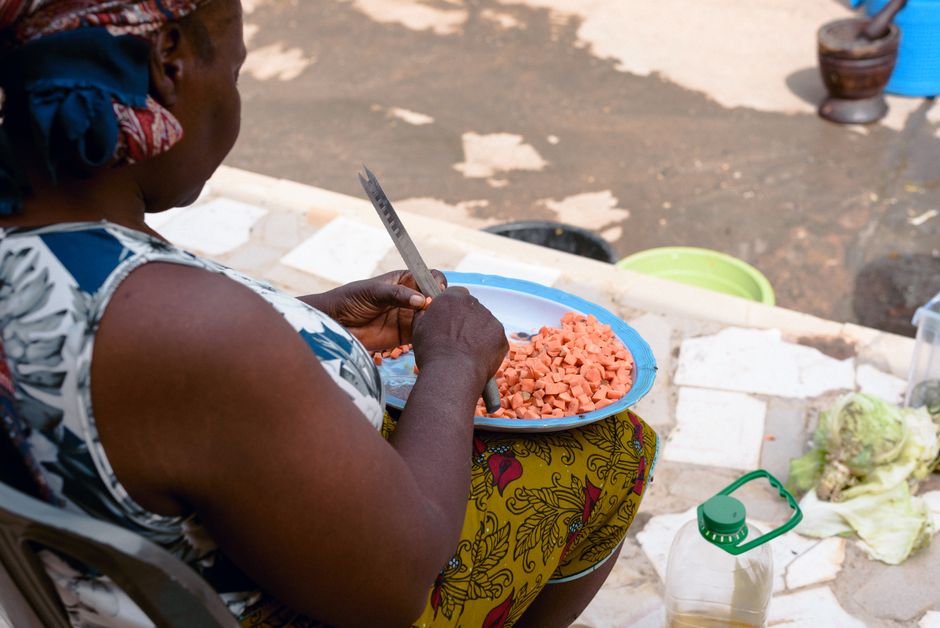
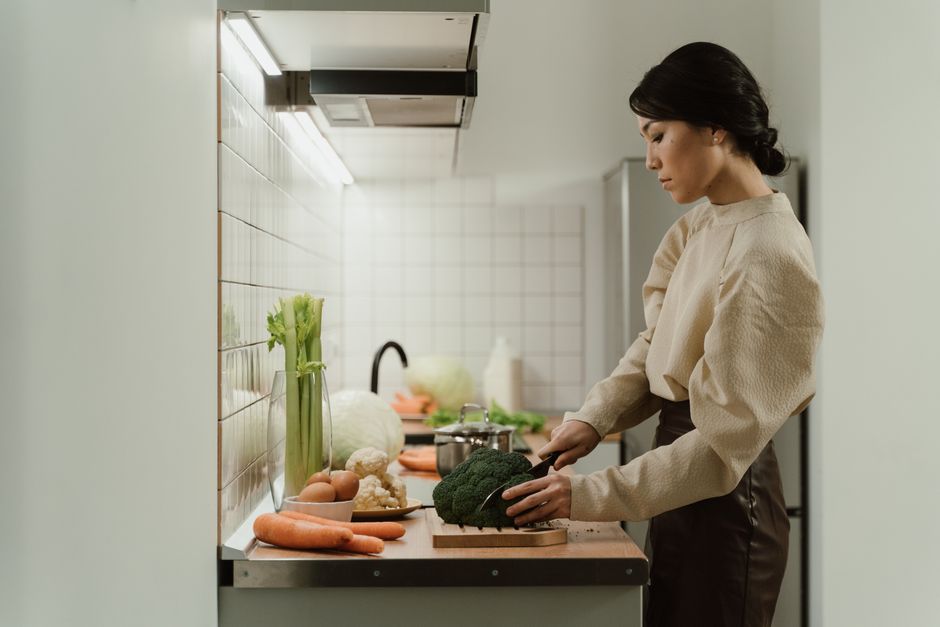
Meal prep involves planning and preparing your meals in advance. It can mean cooking entire meals ahead of time, or simply preparing ingredients for faster cooking later on. This approach not only saves time but also ensures you have healthy meals ready when you need them.
By prepping meals, you can control portion sizes, reduce food waste, and avoid the temptation of unhealthy fast food options. Plus, it makes nutritional planning much easier, ensuring you stick to your dietary goals.
Key Benefits of Meal Prep
- Time-Saving: Spend less time cooking on busy weekdays.
- Cost-Effective: Reduce grocery expenses by buying in bulk.
- Healthier Choices: Pre-made healthy options curb impulsive eating.
- Stress Reduction: Eliminate daily meal planning stress.
"Meal prep is like having your own in-home chef. You get the luxury of no-stress eating, with meals that cater to your tastes and dietary needs."
Meal Prep for the Nigerian Diet
Essential Nigerian Ingredients to Prep
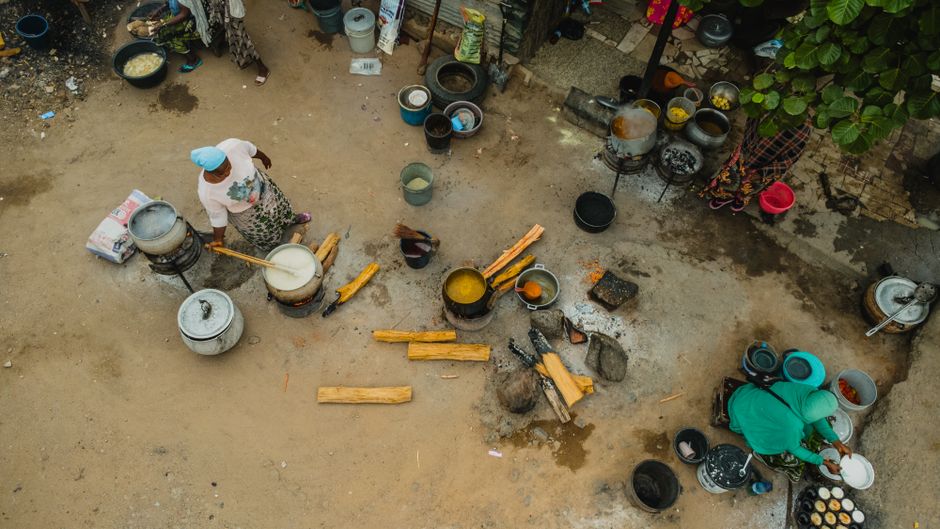
The Nigerian diet is rich in flavors, from the spicy kick of jollof rice to the hearty goodness of egusi soup. When prepping for a Nigerian menu, focus on batch cooking core ingredients like rice, beans, and stews.
- Rice: Cook in large batches and store in portioned containers.
- Beans: Pre-boil and freeze for quick use in dishes like moi moi or akara.
- Stews and Sauces: Prepare and freeze tomato-based stews or pepper sauces.
Meal Prep Techniques for Nigerian Dishes
Adapting traditional Nigerian cooking to meal prep might seem daunting, but it’s simpler than you think. Consider techniques like bulk cooking and freezing, which preserve flavor and texture.
- Double the Recipe: Whenever you cook, make extra to freeze for later.
- Freeze in Portions: Use freezer bags or containers to store meals in individual servings.
- Use Fresh Herbs: Chop and freeze herbs like ugu or scent leaf for easy flavoring.
By using these techniques, you not only enjoy the classic taste of Nigerian cuisine but also the convenience of ready-to-eat meals.
Organizing Your Meal Prep Routine
Creating a Weekly Meal Plan
A successful meal prep starts with a solid meal plan. Decide what you'll eat throughout the week, considering balance and variety. Incorporate proteins, carbohydrates, and plenty of vegetables.
Consider a simple plan: Monday could be jollof rice with chicken, Tuesday beans and plantain, and so on. Vary your proteins and starches to keep meals exciting.
Shopping and Storage Tips
Once your plan is set, it's time to shop. Purchase fresh produce in season for cost savings and flavor.
- Shop Smart: Buy staple items in bulk, such as rice and beans.
- Organize Storage: Label containers with dates and meal types for easy access.
- Use Mason Jars: Perfect for storing ingredients like sauces and dry goods.
"A well-organized kitchen is the backbone of successful meal prep. With everything in its place, your cooking becomes efficient and enjoyable."
Common Challenges and Solutions
Overcoming Prep Fatigue
Prepping meals can become tiresome, especially when starting out. Combat this by setting realistic goals. Don’t try to prep everything at once; start with two or three meals a week and build from there.
Invite family or friends to join you. Meal prepping together can turn into a social event, making it more fun and less of a chore.
Ensuring Nutritional Balance
When prepping meals, it’s crucial to ensure they are balanced in nutrients. Lean proteins, healthy fats, and plenty of vegetables are essential. Don’t forget local superfoods like moringa and baobab powder, which can boost your meals’ nutritional profiles.
Conclusion
Meal prep is a transformative habit that can enhance the way you approach nutrition, particularly within the context of the Nigerian diet. By preparing meals in advance, you can enjoy the rich flavors of Nigerian cuisine without the daily hassle of cooking. Start small, stay consistent, and soon meal prep will become a natural part of your routine, ensuring you eat delicious, healthy food even on the busiest days.