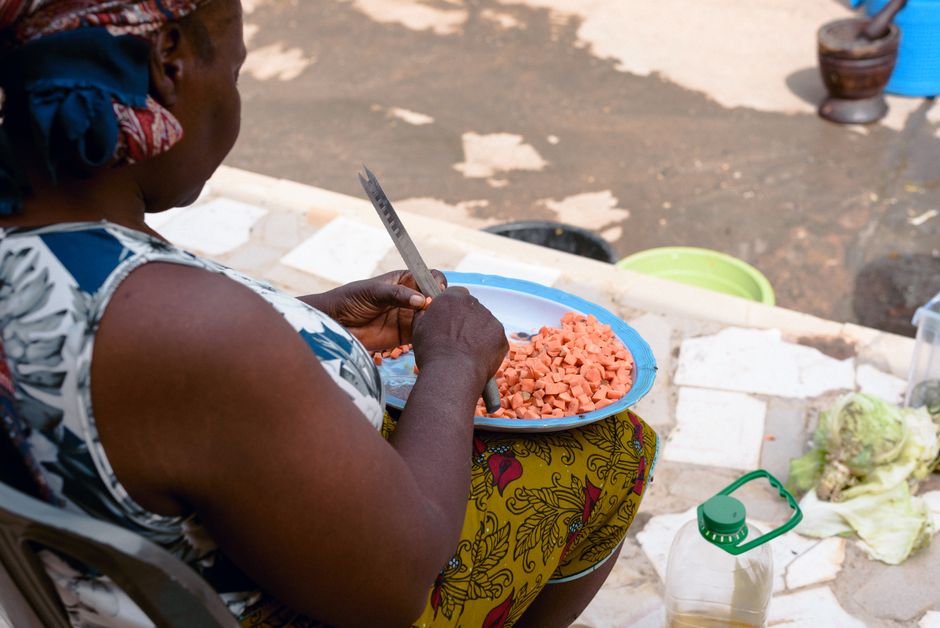
In Nigeria, with its bustling cities and vibrant culture, health and wellness have taken center stage as individuals strive to lead healthier, more fulfilling lives. Yet, with the array of sumptuous local dishes, maintaining a balanced diet can sometimes seem daunting. So, how can one enjoy the rich tapestry of Nigerian cuisine while keeping fit and healthy? Let’s dive into some practical Nigerian diet tips that will transform your nutrition journey and ensure you enjoy the best of both worlds.
The key to a healthy diet lies in balance and moderation. By incorporating traditional Nigerian foods with modern nutritional insights, you can create meals that are both delicious and beneficial to your health. Whether you're navigating the bustling markets of Lagos or enjoying a quiet meal in your home, these tips are designed to be practical, relatable, and easy to implement.
Understanding the Basics of Nigerian Nutrition
Traditional Nigerian Foods
Nigerian cuisine is rich in diversity, with each ethnic group offering unique dishes. Some staples include yam, rice, beans, and plantains, which are not only delicious but also packed with essential nutrients.
Understanding these food items can help you make informed choices about what to include in your daily meals.
Nutritional Value of Common Ingredients
- Yam: A great source of carbohydrates and energy.
- Beans: Packed with proteins and fibers.
- Fruits and Vegetables: Crucial for vitamins and minerals.
- Fish and Lean Meat: Essential sources of protein and healthy fats.
Awareness of the nutritional content of these foods can help you balance your diet effectively.
Balancing Traditional and Modern Diets
Incorporating Global Health Trends
As globalization influences diets worldwide, incorporating certain aspects of international health trends can enhance your nutrition. For instance, adding quinoa or chia seeds to your meals can boost your fiber intake.
“Combining traditional foods with global nutrition trends can enhance the health value of your meals without sacrificing taste.”
Portion Control and Mindful Eating
Portion control is key to maintaining a healthy diet. Enjoying smaller portions of high-calorie dishes while complementing them with more vegetables and proteins can help keep your diet balanced.
Mindful eating, which focuses on savoring each bite and listening to your body's hunger signals, can reduce overeating and improve digestion.
Meal Planning and Preparation
Importance of Meal Prep
Meal prep can be a game-changer in maintaining a healthy diet. By preparing meals in advance, you can ensure you have easy access to nutritious foods, reducing the temptation to opt for less healthy options due to convenience.
Tips for Effective Meal Prep
- Plan Weekly Menus: Knowing what you'll eat each week can simplify shopping and cooking.
- Batch Cooking: Prepare staples like rice and stew in large quantities.
- Use Storage Containers: Invest in good-quality containers to store meals and keep them fresh.
- Include a Variety: Incorporate different food groups to ensure a balanced diet.
These strategies can help you manage your time and eating habits more effectively, promoting a healthier lifestyle.
Smart Shopping in Nigerian Markets
Shopping for Fresh Produce
Buying fresh produce from local markets is both economical and health-friendly. With the vibrant selection available, you can always find fresh fruits and vegetables to incorporate into your meals.
Budget-Friendly Shopping Tips
- Buy in Season: Seasonal fruits and vegetables are cheaper and more nutritious.
- Buy in Bulk: Non-perishable items like grains and legumes can be bought in bulk to save money.
- Compare Prices: Prices can vary, so it helps to shop around different stalls.
These tips are designed to help you make the most of your budget while ensuring a plentiful supply of nutritious foods.
The Role of Hydration
Importance of Drinking Water
Water is vital for overall health. It helps in digestion, circulation, and maintaining body temperature, and should not be overlooked in any diet plan.
Hydration Tips
- Drink Regularly: Aim for at least 8 glasses of water a day.
- Infuse with Fruits: Add slices of cucumber, lemon, or mint for a refreshing twist.
- Monitor Your Intake: Using a water bottle with markers can remind you to drink throughout the day.
Keeping hydrated is one of the simplest yet most effective ways to support your health and wellbeing.
Conclusion
Adopting healthier eating habits doesn't mean giving up on the flavors and dishes you love. Instead, it involves making smarter choices that enhance your nutrition without compromising on taste. With these practical Nigerian diet tips, you can enjoy a balanced diet that supports your health goals while still celebrating the rich culinary heritage of Nigeria. Remember, it's all about balance, moderation, and making informed choices that suit your lifestyle and needs.