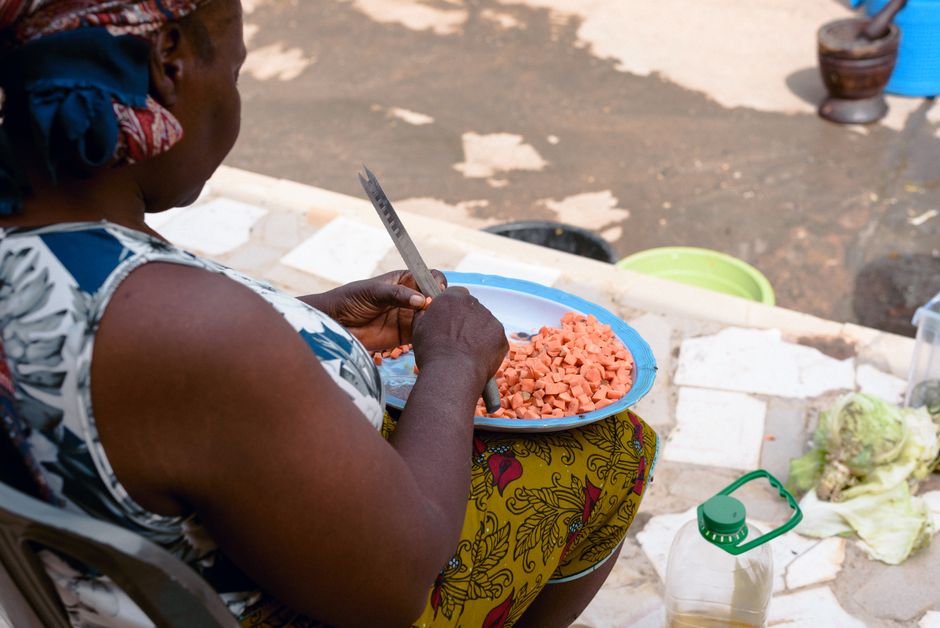
In Nigeria, our plates are filled with vibrant colors, tantalizing aromas, and rich flavors. But beyond the culinary delight lies the potential for a nutritious and balanced diet that can significantly impact our health. The Nigerian diet, when approached with the right knowledge, can be a powerful tool in achieving optimal health. In this guide, we will explore practical tips for making healthier choices in our diet using locally available foods. Whether you're in Lagos or Kano, these tips can be integrated into your lifestyle, leading to a healthier and more vibrant you.
Imagine being able to enjoy your favorite Nigerian dishes while still maintaining a balanced diet. Yes, it's possible! With a little knowledge and planning, you can transform everyday meals into nutritious feasts. Join us as we delve into the nuances of the Nigerian diet, highlighting practical tips and cultural insights that can guide you towards a healthier lifestyle. From the bustling markets of Port Harcourt to the tranquil farms of Enugu, we've got you covered.
Let's embark on this journey of discovering how our traditional foods can be harnessed for better health. You'll learn how to balance macronutrients, make the most of local produce, and integrate modern health practices with traditional eating habits. Embrace the Nigerian diet, and let it work for you!
Understanding the Basics of the Nigerian Diet
The Nigerian diet is diverse and rich in carbohydrates, proteins, and fats. Traditionally, it includes a variety of staple foods like yams, rice, beans, and cassava, complemented by protein sources such as fish, goat meat, and chicken. Vegetables and fruits are also commonly consumed, providing essential vitamins and minerals.
The Role of Carbohydrates
Carbohydrates are a significant part of the Nigerian diet, often forming the base of most meals. Staples like garri, fufu, and pounded yam are common. These foods are energy-rich but should be consumed in moderation to maintain a balanced diet.
- Garri: Made from cassava, it is a versatile and cheap source of energy.
- Pounded Yam: A festive favorite, often eaten with soups and stews.
- Rice: A staple that is easy to prepare and pair with various proteins and vegetables.
Integrating Proteins and Healthy Fats
Proteins are crucial for growth and repair, and the Nigerian diet provides a range of options. Fish, particularly catfish and tilapia, is commonly consumed, providing healthy fats and essential nutrients.
For those looking to increase their protein intake, consider lean meats like chicken, and don't forget about plant-based proteins such as beans and nuts, which are also affordable and widely available.
Expert Tip: Aim to include a variety of protein sources in your diet to ensure a complete amino acid profile.
Emphasizing Fruits and Vegetables
Fruits and vegetables are vital for a balanced diet, offering vitamins, minerals, and antioxidants. In Nigeria, we are blessed with an abundance of options, including mangoes, pineapples, and leafy greens like ugu and spinach.
- Mango: A sweet treat rich in vitamin C.
- Ugu (Fluted Pumpkin): Commonly used in soups, providing iron and other nutrients.
- Okra: A nutritious vegetable that can be cooked in various ways, contributing to fiber intake.
Practical Tips for a Healthier Nigerian Diet
Portion Control and Meal Timing
Understanding portion sizes and the timing of meals can greatly influence your health. Consider eating smaller portions more frequently throughout the day, and try not to skip meals, especially breakfast.
Substituting with Healthier Ingredients
Simple swaps can make a big difference. Try using brown rice instead of white rice, or whole wheat flour for baking. These swaps increase fiber intake and help maintain better blood sugar levels.
Incorporating Traditional Foods in Modern Ways
You don't have to give up beloved dishes to be healthy. Instead, explore innovative cooking methods, such as grilling or steaming, to reduce the use of unhealthy oils.
Healthy Swap: Use olive oil or canola oil in place of palm oil to decrease saturated fat intake while cooking stews and soups.
The Importance of Staying Hydrated
Hydration is often overlooked but is essential for overall health. Aim to drink at least 8 glasses of water a day, and incorporate hydrating foods into your diet, such as cucumbers and watermelons.
Traditional Drinks and Health
While sugary drinks can be tempting, opt for traditional beverages like zobo, which are rich in antioxidants, or kunu, which provides energy and essential nutrients.
Community, Culture, and Food
Food is an integral part of Nigerian culture, offering more than just nourishment. It brings people together, celebrating identities and traditions. Embrace this aspect by hosting family meals and cooking sessions, where everyone can learn about healthier eating choices together.
Conclusion
Understanding and optimizing the Nigerian diet can be a rewarding journey towards better health. By making informed choices, balancing macronutrients, and embracing our diverse food culture, you can achieve a nutritious and satisfying diet. Remember, it's not about eliminating your favorite dishes but finding healthier ways to enjoy them. The key is balance and moderation. With these practical tips, you're now equipped to make healthier dietary choices and live a vibrant life!