In today’s fast-paced world, finding time to cook healthy meals can feel like a daunting task, especially in Nigeria where work and personal commitments often stretch beyond typical hours. But what if I told you there's a way to eat healthily without spending hours in the kitchen every day? Enter meal prepping – a game-changer for anyone looking to maintain a balanced diet while juggling a busy schedule. With meal prep, you can not only save time and money but also ensure you're eating nutritious meals tailored to your dietary needs.
When it comes to meal prepping in Nigeria, it's not just about making life easier; it's about embracing a healthier lifestyle that accommodates our unique culinary traditions and busy routines. Let’s dive into some practical meal prep tips specifically designed for Nigerians.
The Basics of Meal Prepping
Understanding Meal Prep
Meal prepping involves preparing your meals ahead of time, which can involve cooking complete meals or just prepping ingredients. For Nigerians, this could mean cooking a big pot of jollof rice or egusi soup over the weekend to last through the week.
Benefits of Meal Prepping
- Time-saving: By dedicating a few hours once or twice a week to prep, you can significantly reduce daily cooking time.
- Cost-effective: Buying ingredients in bulk and cooking at home reduces the need for take-out, saving you money.
- Healthier Eating: Planning ahead means you can ensure your meals are balanced and nutritious.
Practical Meal Prep Tips for Nigerians
Plan Your Meals
Start by deciding what meals you want for the week. Consider typical Nigerian meals that store well, like beans, stews, and rice dishes. Make a shopping list to ensure you have all necessary ingredients.
Use the Right Containers
Invest in good quality, airtight containers that keep your food fresh. Label each container with the date it was prepared to keep track of freshness.
Batch Cooking
Prepare large batches of versatile dishes that can serve as the base for various meals. For example, a pot of tomato stew can be used with rice, yam, or beans.
Ensuring Nutritional Balance
Include a Variety of Foods
Ensure your meals are balanced by including proteins, carbohydrates, and healthy fats. In Nigerian cuisine, this could mean a mix of plantains, beans, and fish.
Portion Control
To avoid overeating, portion out your meals in advance according to your dietary needs. Use smaller containers to help with portion control.
Time-Saving Techniques
Prepping Ingredients
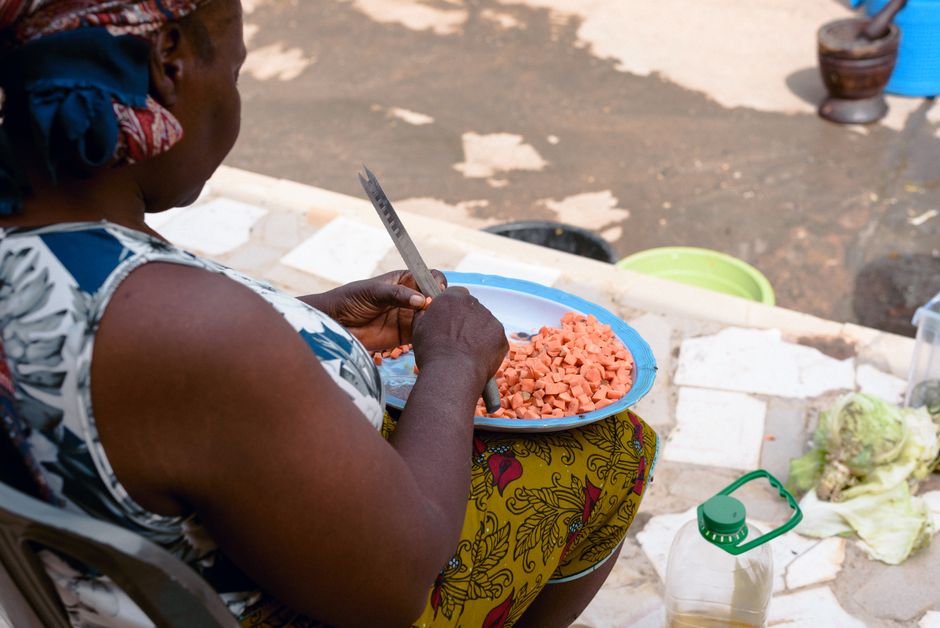
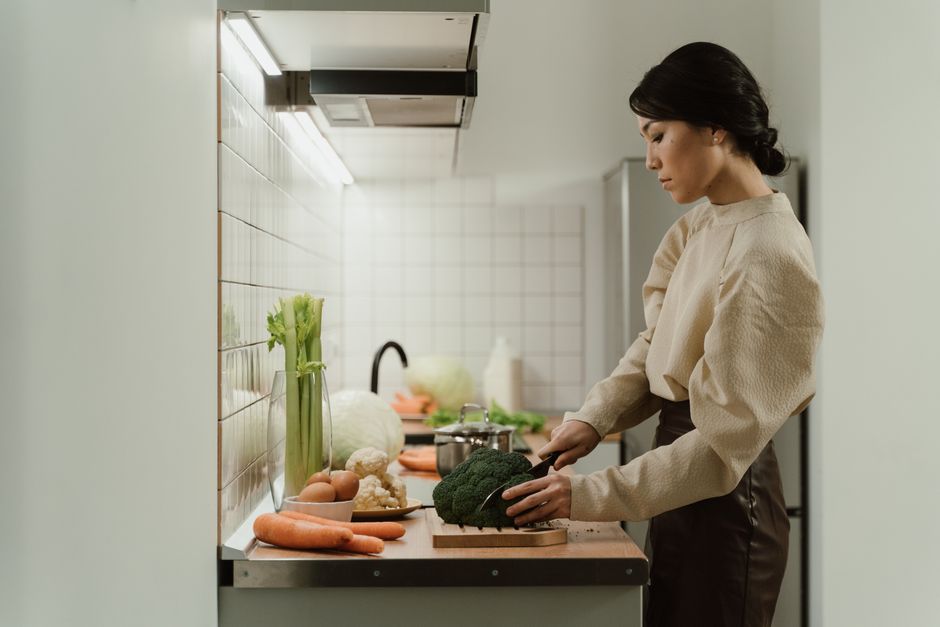
Chop vegetables like onions, tomatoes, and peppers in advance and store them in the fridge or freezer. This reduces cooking time during the week.
Utilize Slow Cookers
Slow cookers can be a lifesaver. Simply throw your ingredients in, set the timer, and come home to a cooked meal.
Overcoming Common Meal Prep Challenges
Storage Space
Limited fridge or freezer space? Use stackable containers to optimize space. Consider investing in a small extra freezer if necessary.
Food Safety
Ensure cooked meals are cooled before covering and storing to prevent bacterial growth. Keep your fridge's temperature at a safe level to maintain freshness.
“Meal prepping is not just about saving time; it's about creating a sustainable, healthy lifestyle that fits your personal needs and preferences.”
Conclusion
Meal prepping can transform the way you approach food and nutrition, especially in a busy Nigerian lifestyle. By dedicating some time to planning and preparing your meals in advance, you can ensure healthier eating habits, save time, and enjoy the rich variety of Nigerian cuisine with less daily stress. Start small, experiment with different recipes, and find what works best for you. Happy meal prepping!